

You finally get the call from your doctor’s office.
“Good news. Your blood work looks normal.”
For a moment, you feel relieved.
Then you remember…
- You’re still exhausted.
- The brain fog is still there.
- You struggle to get through the afternoon without crashing.
- You’ve gained weight despite eating well.
- Your sleep isn’t restorative.
- You don’t feel like yourself.
So you’re left wondering:
If everything is normal… why do I still feel sick?
That question sits at the heart of this week’s episode of Never Been Sicker, where Michael Rubino sits down with functional medicine practitioner Dr. Heather Stone to discuss why standard lab work doesn’t always tell the whole story.
Rather than dismissing symptoms simply because laboratory values fall within a reference range, Dr. Stone encourages patients and practitioners alike to ask a different question:
“What if the body is showing signs of dysfunction before disease develops?”
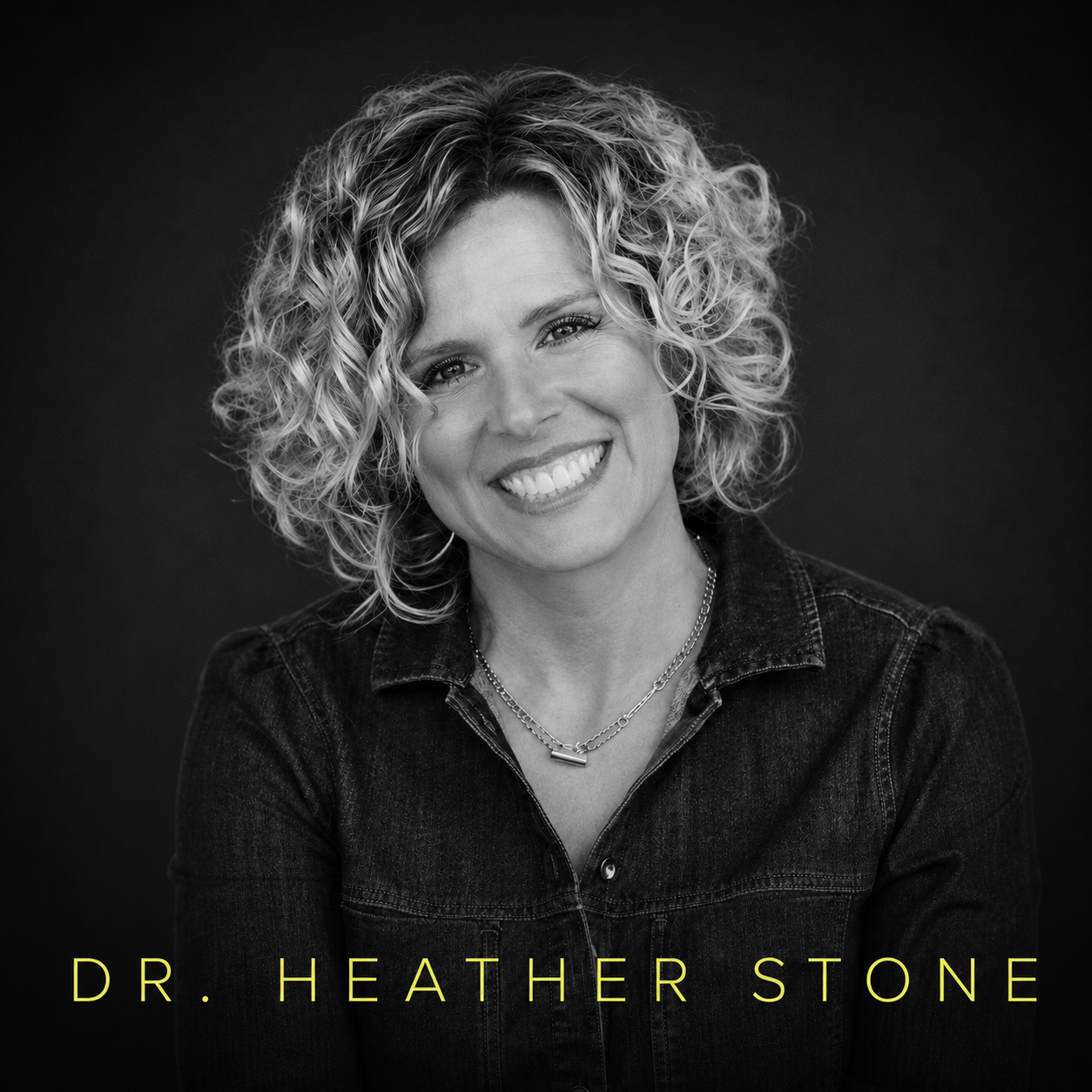
Who You’re Listening To: Dr. Heather Stone
Dr. Heather Stone is a functional medicine practitioner with more than 20 years of clinical experience helping women navigate hypothyroidism, Hashimoto’s thyroiditis, hormone imbalances, and complex chronic health conditions.
Through her clinical practice, educational programs, and physician training, she has helped thousands of patients better understand the factors contributing to their health and develop personalized strategies that support long-term wellness.
What Does “Normal” Actually Mean?
One of the biggest misconceptions about blood work is that “normal” automatically means “healthy.”
According to Dr. Stone, that’s not always the case.
Standard laboratory testing is incredibly valuable. It’s designed to help diagnose disease, monitor known conditions, and identify significant abnormalities that require medical attention.
But many of the symptoms people experience, including fatigue, brain fog, poor sleep, weight changes, hormone imbalances, and chronic inflammation, can begin long before someone meets the criteria for a formal diagnosis.
That’s where the distinction between normal and optimal becomes important.
A value may fall within a laboratory’s reference range while still leaving room for questions about how the body is functioning as a whole.
Looking Beyond Individual Numbers
Another major theme throughout the conversation is that health isn’t defined by one lab value.
It’s about patterns.
Dr. Stone explains that functional medicine often looks at how multiple systems interact rather than evaluating each marker in isolation.
Instead of asking whether one number is technically normal, practitioners may look at trends, relationships between biomarkers, symptoms, and an individual’s overall health history.
That broader perspective can sometimes reveal opportunities to support health before more advanced dysfunction develops.
Why Blood Sugar Matters So Much
One of the most surprising parts of the episode centers around blood sugar.
Many people associate blood sugar problems with diabetes.
Dr. Stone sees it differently.
She explains that changes in blood sugar regulation can begin years before diabetes is diagnosed and may influence energy levels, hormone balance, inflammation, weight management, and overall metabolic health.
It’s one reason she frequently uses continuous glucose monitors (CGMs) in her practice, helping patients understand how everyday habits affect their bodies in real time.
Rather than waiting for disease to develop, she believes these patterns can provide valuable information much earlier.
Thyroid Health Is Often More Complex Than It Appears
The conversation also explores thyroid disease, particularly Hashimoto’s thyroiditis.
Rather than viewing hypothyroidism as a condition that always begins in the thyroid itself, Dr. Stone encourages listeners to consider what may be driving the immune response.
For many people with Hashimoto’s, replacing thyroid hormone is an important part of treatment.
But according to Dr. Stone, understanding potential triggers, including nutrition, immune health, environmental factors, and lifestyle, may also be an important part of the conversation.
The goal isn’t simply to manage lab values.
It’s to better understand why the body became out of balance in the first place.
The Environment Is Part Of The Conversation
Environmental health naturally becomes another focus of the episode.
Michael and Dr. Stone discuss how mold exposure and mycotoxins may contribute to the overall toxic burden some patients experience and why improving the home environment can be an important part of a broader wellness strategy.
One point that stood out was the importance of connecting information rather than relying on assumptions.
Body testing may help identify potential exposure.
Environmental testing can help identify what’s present in the home.
Together, those pieces create a clearer picture than either one alone.
Test. Don’t Guess.
One phrase comes up repeatedly throughout the conversation:
Test. Don’t guess.
Whether discussing blood sugar, thyroid health, mold exposure, or detoxification, Dr. Stone emphasizes the importance of collecting meaningful information before making decisions.
Health is highly individual.
What works well for one person may not be appropriate for someone else.
Thoughtful testing helps practitioners move beyond trial and error toward more personalized care.
Healing Has An Order
Another fascinating part of the conversation focuses on detoxification.
Dr. Stone explains that many people rush into aggressive detox protocols without first supporting the body’s natural detoxification systems.
According to her approach, the sequence matters.
Creating a strong foundation before adding more intensive interventions may help the body respond more effectively and reduce unnecessary setbacks.
It’s another reminder that lasting progress often comes from understanding the bigger picture rather than searching for a quick fix.
Final Thoughts
Perhaps the biggest takeaway from this episode is that “normal” isn’t always the finish line.
Laboratory testing is one of the most valuable tools in modern healthcare.
But numbers alone don’t tell the entire story.
- Symptoms matter.
- Patterns matter.
- Context matters.
And sometimes the most important question isn’t: "Are my labs normal?”
It’s: “Do they explain how I actually feel?”
Because the goal isn’t simply to have normal blood work.
The goal is to feel healthy.

Meet Today’s Guest: Dr. Heather Stone
What makes Dr. Stone’s perspective especially valuable is her focus on identifying dysfunction before it progresses to disease. Rather than looking at symptoms or lab values in isolation, she encourages patients to understand how blood sugar, immune function, hormones, environmental exposures, nutrition, and lifestyle all influence one another.
Throughout this conversation, she offers a balanced perspective that recognizes the strengths of conventional medicine while highlighting opportunities to ask deeper questions when someone continues experiencing symptoms despite receiving “normal” test results.
Social Media:
Instagram - @drheatherstone
YouTube - https://www.youtube.com/channel/UCwRA4XSwUnTMZvUtRIITDrw
Dr. Heather Stone, DC - https://linktr.ee/drheatherstone