
For years, women have heard the same explanations:
“It’s stress.” “It’s anxiety.” “It’s normal aging.” “You just have to deal with it.”
But what if many of the symptoms women are told to ignore are actually connected to hormone health?
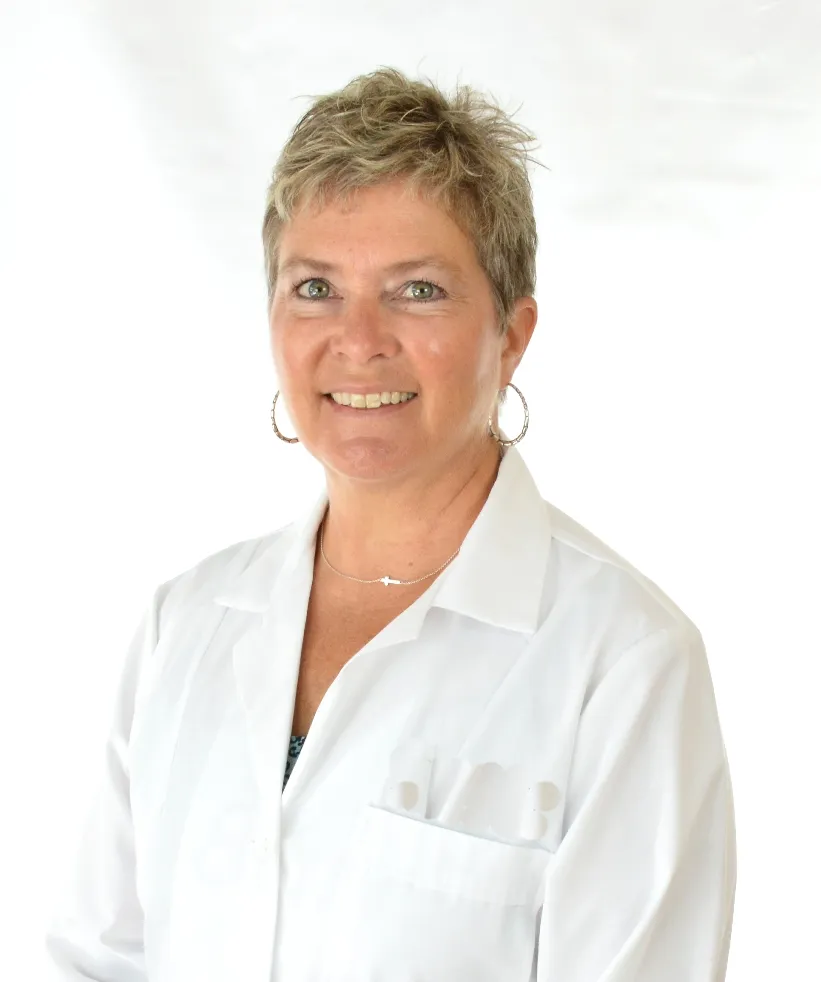
In a recent episode of Never Been Sicker, Michael Rubino sat down with Dr. Melissa Miskell to discuss hormone imbalance, menopause, thyroid dysfunction, inflammation, and why so many women are struggling without getting real answers.
One of the biggest themes throughout the conversation was simple:
Many women are being treated for symptoms without anyone asking why those symptoms are happening in the first place.
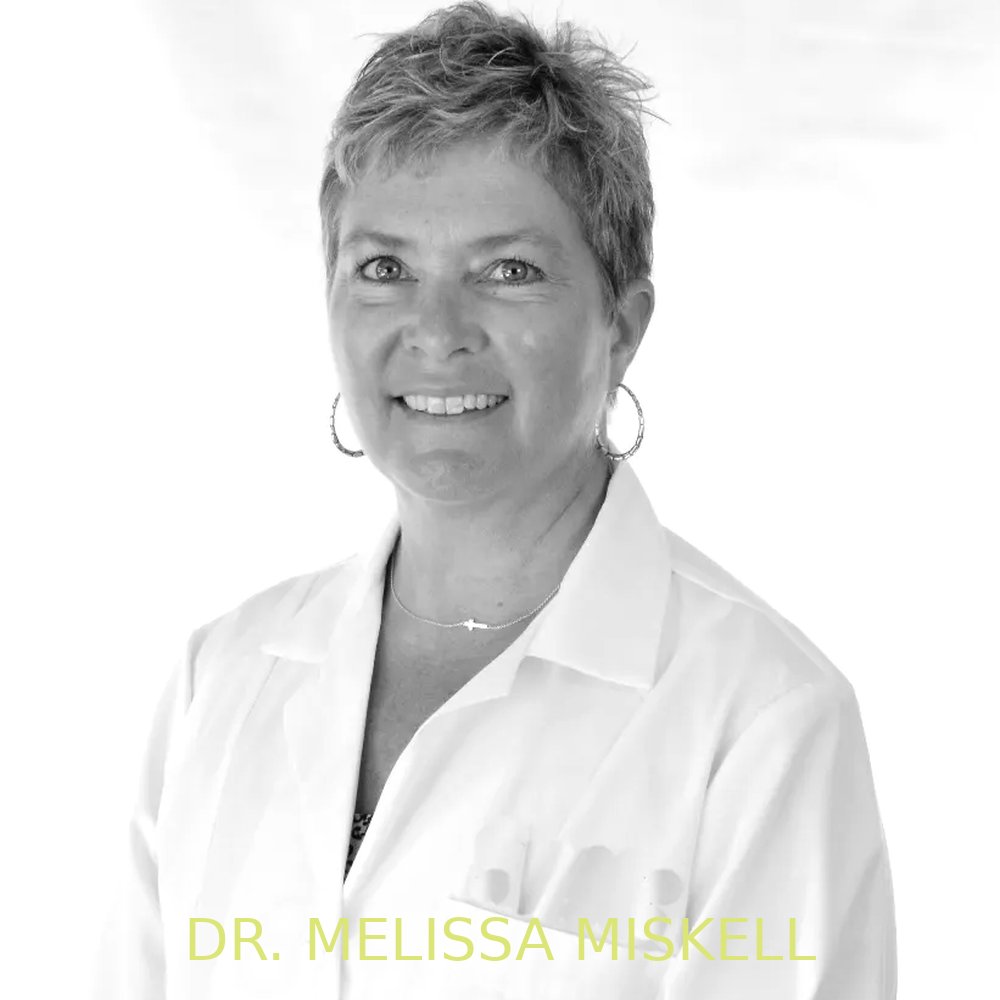
Who You’re Listening To: Dr. Melissa Miskell
Dr. Melissa Miskell has spent more than 30 years helping women better understand hormone health and challenging the belief that menopausal symptoms are simply something women must endure.
As Medical Director of Hormones by Design, she focuses on individualized bioidentical hormone therapy and women’s long-term wellness, including heart health, osteoporosis prevention, thyroid health, and cognitive health. She is also the founder of PINCC, a nonprofit organization dedicated to preventing cervical cancer globally.
Her work centers around helping women feel heard, properly evaluated, and supported through every stage of hormonal change.
Hormone Changes Often Begin Earlier Than Women Expect
One of the biggest misconceptions around menopause is that hormone changes suddenly begin in your 50s.
According to Dr. Melissa, many women start experiencing shifts much earlier, often during perimenopause in their late 30s or early 40s.
The challenge is that most women are never taught what these changes can actually look like.
Because hormone imbalance is not always obvious.
It does not just mean hot flashes.
The Symptoms Women Are Told to Ignore
Hormone imbalance can show up in ways many people never associate with hormones at all.
Symptoms may include:
brain fog
fatigue
anxiety
mood changes
poor sleep
low libido
weight fluctuations
hair thinning
memory problems
low motivation
vaginal dryness
For many women, these symptoms slowly become normalized over time.
They adapt. Push through. Keep functioning.
But according to Dr. Melissa, many of these symptoms deserve deeper investigation, not dismissal.
Why So Many Women Feel Dismissed
One of the strongest moments in the episode came when Dr. Melissa discussed how quickly women are often prescribed antidepressants or anxiety medication before hormone health is ever fully explored.
And while mental health support absolutely matters, she explained that many women are not necessarily depressed because of a psychiatric condition.
Sometimes they feel emotionally exhausted because physically, they do not feel well.
That distinction matters.
Because if the root issue is hormonal, symptom management alone may not fully address what is happening.
Hormones Affect More Than Mood
Another major takeaway from the episode is that hormones influence far more than energy or emotional regulation.
Hormones play important roles in:
cardiovascular health
bone density
metabolism
cognitive function
sleep
inflammation
brain health
This becomes especially important during and after menopause, when estrogen levels begin declining.
Dr. Melissa explained that many women are unaware estrogen may have protective effects related to heart health, osteoporosis risk, and cognitive function.
And because these conversations often happen too late, many women are left navigating symptoms without understanding the bigger picture.
The Thyroid Conversation Many People Never Have
The episode also explored thyroid dysfunction and why testing is often incomplete.
Many people are told their thyroid is “normal” after receiving only a TSH test.
But according to Dr. Melissa, that may not tell the full story.
A more comprehensive thyroid panel may include:
TSH
T3
T4
TPO antibodies
This matters because thyroid dysfunction can overlap heavily with hormone imbalance symptoms, including fatigue, brain fog, dry skin, weight changes, hair thinning, and low energy.
Why Inflammation Keeps Coming Up
One word surfaced repeatedly throughout the conversation:
Inflammation.
Dr. Melissa discussed how inflammation is increasingly being connected to chronic disease, hormone dysfunction, cardiovascular disease, and cognitive decline.
The episode also explored how modern lifestyle factors may contribute to inflammatory burden, including:
ultra-processed foods
refined sugar
chronic stress
environmental toxins
plastics
poor air quality
pesticide exposure
Rather than viewing symptoms in isolation, the conversation encouraged looking at the body more holistically.
The Hormone Replacement Therapy Debate
The episode also addressed one of the most controversial topics in women’s health: hormone replacement therapy.
For decades, many women have been told estrogen increases breast cancer risk.
Dr. Melissa explained how much of this fear stems from the 2002 Women’s Health Initiative study, which dramatically changed public perception around hormones.
Today, hormone therapy remains heavily debated, but conversations around bioidentical hormones and individualized treatment continue evolving as newer research emerges.
You Do Not Have to “Just Live With It”
Perhaps the most important takeaway from this episode is this:
Women should not automatically accept feeling exhausted, foggy, disconnected, inflamed, or miserable as a normal part of aging.
There may be underlying factors worth investigating.
And according to Dr. Melissa, women deserve far better conversations around their health than “this is just what happens.”

Meet Today’s Guest: Alex Marie Freed
Dr. Melissa’s approach to hormone health was shaped by decades of watching women struggle with symptoms that were minimized, dismissed, or simply labeled as “normal aging.”
When hormone replacement therapy became heavily criticized after the 2002 Women’s Health Initiative study, she saw many women abruptly pulled off treatment and left without real support or answers. Rather than accepting the status quo, she immersed herself in bioidentical hormone therapy and began building a more individualized approach to care.
Today, through Hormones by Design, she helps women navigate hormone imbalance, menopause, thyroid dysfunction, inflammation, fatigue, and other chronic symptoms with treatment plans designed around the individual instead of one-size-fits-all protocols.
Her philosophy is simple:
Women should not have to spend years feeling miserable while being told “that’s just part of getting older.”
Facebook - https://www.facebook.com/goodbyemenopause
Instagram- https://www.instagram.com/hormonesbydesign/
YouTube - Hormones by Design- https://www.youtube.com/@hormonesbydesign249/videos