
What if mold isn’t always the starting point… but the tipping point?
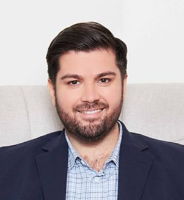
That’s the perspective explored in this episode of Never Been Sicker, where Michael Rubino sits down with Dr. Bill Rawls to unpack a question more people are starting to ask:
Why are so many people dealing with chronic illness… even when they’re doing “everything right”?
Dr. Rawls offers a different lens.
One that shifts the focus away from a single diagnosis, and toward something deeper.
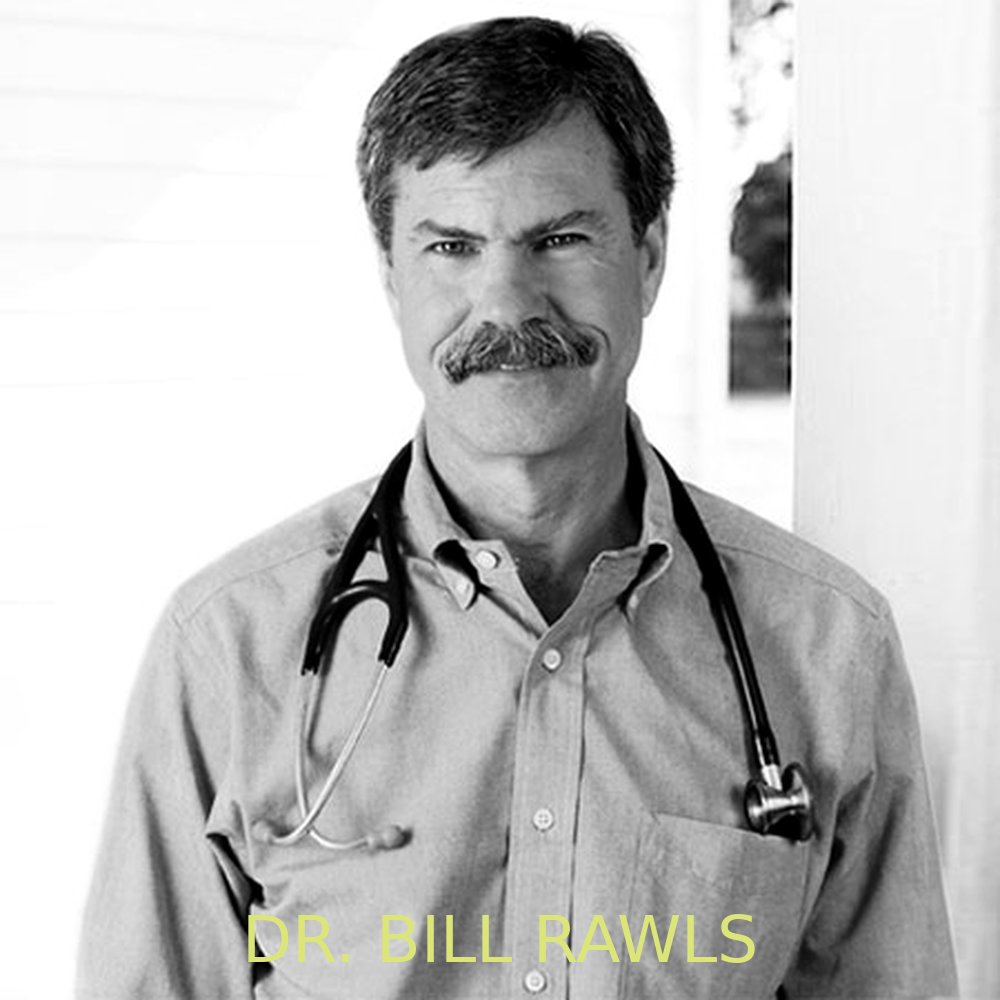
Who You’re Listening To: Dr. Bill Rawls
Dr. Bill Rawls is a medical doctor, bestselling author, and expert in chronic illness and cellular health. After more than 30 years in medicine, including a career as an OB-GYN physician, his perspective shifted dramatically following his own personal health crisis.
After years of stress, sleep deprivation, and pushing through exhaustion, Dr. Rawls developed severe symptoms that conventional medicine could not fully resolve. His recovery through holistic and herbal therapies led him to study chronic illness from a cellular perspective and ultimately reshaped the way he approaches healing today.
He is the co-founder and medical director of Vital Plan and the author of Unlocking Lyme and The Cellular Wellness Solution, where he focuses on helping people restore health by reducing cellular stress and improving resilience.
Chronic Illness Isn’t Just One Thing
One of the biggest takeaways from this conversation is that chronic illness rarely comes down to a single cause.
It’s not just Lyme.
It’s not just mold.
It’s not just stress.
It’s the accumulation.
According to Dr. Rawls, many people carry stealth microbes, including Lyme-associated bacteria, for years without symptoms. These organisms can exist quietly in the body, largely undetected.
The problem begins when the body’s internal environment changes.
- When stress builds.
- When recovery declines.
- When the body can no longer maintain balance.
That’s when symptoms start to surface.
The Concept That Changes Everything: Cellular Stress
At the center of Dr. Rawls’ framework is a simple but powerful idea:
Chronic illness is a story of cellular stress.
Every function in the body comes back to cells. When cells are healthy and resilient, the body can adapt to challenges. It can manage microbes, process toxins, and maintain balance.
But when cells are overwhelmed, everything changes.
Energy production drops. Repair slows down. Tolerance to stress decreases.
And suddenly, things that once felt manageable start to feel like too much.
Why Mold Hits Harder for Some People
This is where the mold conversation becomes especially important.
Not everyone reacts to mold in the same way.
Some people can be in a water-damaged environment and feel relatively fine. Others develop a wide range of symptoms, sometimes with no clear explanation.
Dr. Rawls explains this difference through the lens of cellular vulnerability.
If your body is already under stress, whether from chronic infection, poor sleep, environmental toxins, or long-term strain, your cells are operating closer to their limit.
In that state, mold exposure doesn’t just add another variable. It pushes the system further beyond what it can handle.
What might be a mild exposure for one person can become a significant trigger for someone whose cells are already overwhelmed.
It’s not just about the mold.
It’s about the condition of the body encountering it.
Mitochondria: The Energy Behind Everything
To understand why this happens, the conversation turns to mitochondria.
Mitochondria are responsible for producing energy inside the cell. But they are also highly sensitive to stress.
Poor diet, lack of sleep, environmental toxins, chronic infections, and inflammation all place a burden on these structures.
Over time, that burden accumulates.
Cells lose efficiency.
Energy drops.
Resilience declines.
And when the body can no longer keep up with demand, symptoms begin to appear.
Dr. Rawls emphasizes an important point here.
The goal isn’t to force more energy production. It’s to reduce the stress that is draining it.
Autophagy: The Body’s Built-In Repair System
One of the most important concepts discussed in this episode is autophagy.
Autophagy is the body’s natural process of cleaning up cellular damage. It helps remove worn-out components, recycle materials, and maintain cellular function.
Without it, the body cannot sustain itself. But many aspects of modern life interfere with this process.
Constant eating, especially processed foods, keeps the body in a fed state and limits time for repair. Chronic stress elevates cortisol and disrupts recovery. Poor sleep reduces the body’s ability to reset overnight.
Even environmental toxins and certain medications can make it harder for cells to perform this essential cleanup.
On the other hand, simple habits can support autophagy.
Regular movement.
Better sleep.
Whole foods.
Time between meals.
These are not extreme interventions.
They are foundational conditions that allow the body to function the way it was designed to.
Why This Matters More Today
This conversation also touches on a broader shift in modern health.
We are living in an environment our bodies were not designed for.
More processed food.
More indoor living.
More chemical exposure.
More chronic stress.
At the same time, many healthcare models are still focused on managing symptoms rather than addressing underlying conditions.
That creates a disconnect.
People are experiencing complex, layered health issues, but receiving simplified, symptom-based solutions.
The Bigger Picture: It’s Not Just About One Diagnosis
One of the most powerful takeaways from this episode is the shift in perspective.
Instead of asking, “What disease do I have?”
Dr. Rawls encourages a different question:
“What is stressing my system?”
Because when you start looking at health through that lens, things begin to connect.
Why symptoms overlap.
Why recovery can feel inconsistent.
Why certain exposures hit harder than others.
It stops being random. It starts becoming a pattern.
What Can Actually Help
Toward the end of the episode, Dr. Rawls brings everything back to practical action.
Not extreme protocols.
Not complicated systems.
But consistent, foundational habits:
- prioritizing sleep
- moving the body regularly
- eating whole, unprocessed foods
- reducing environmental exposures
- supporting the body with plant-based compounds when appropriate
These are the things that reduce stress on the cell.
And when cellular stress goes down… The body has a chance to recover.
Final Thoughts
Mold, microbes, toxins, stress, diet, sleep.
They are not separate conversations.
They are part of the same system.
And in many cases, the difference between feeling well and feeling unwell is not just one exposure or one diagnosis.
It’s the total load.
This episode is a reminder that health is not just about removing one problem. It’s about understanding the conditions that allow problems to take hold in the first place.

Meet Today’s Guest: Dr. Rich Wallace
Dr. Bill Rawls is a medical doctor, bestselling author, and expert in chronic illness and cellular health. After overcoming his own health crisis, he shifted his focus toward understanding how cellular stress, microbes, and environmental factors contribute to long-term illness.
He is the co-founder and medical director of Vital Plan and the author of Unlocking Lyme and The Cellular Wellness Solution. Through his work, he helps individuals restore resilience and improve health by addressing the underlying conditions that drive chronic illness.
Learn more:
- Website: https://rawlsmd.com/resources/
- Instagram: https://www.instagram.com/rawlsmd/
- Facebook: https://www.facebook.com/rawlsmd/
- YouTube: https://www.youtube.com/c/RawlsMD%20
- LinkedIn: https://www.linkedin.com/in/bill-rawls-md/