
For millions of people, a thyroid diagnosis brings relief.
Finally, there’s an explanation for the fatigue.
The brain fog.
The anxiety.
The weight changes.
The racing heart.
The exhaustion that never seems to go away.
But according to Dr. Eric Osansky, the diagnosis may be only the beginning of the conversation.
In a recent episode of Never Been Sicker, Michael Rubino sat down with Dr. Osansky to discuss a different way of thinking about thyroid disease.
Instead of asking only, “How do we treat the thyroid?”
He encourages patients to ask something else:
“Why did the thyroid become dysfunctional in the first place?”
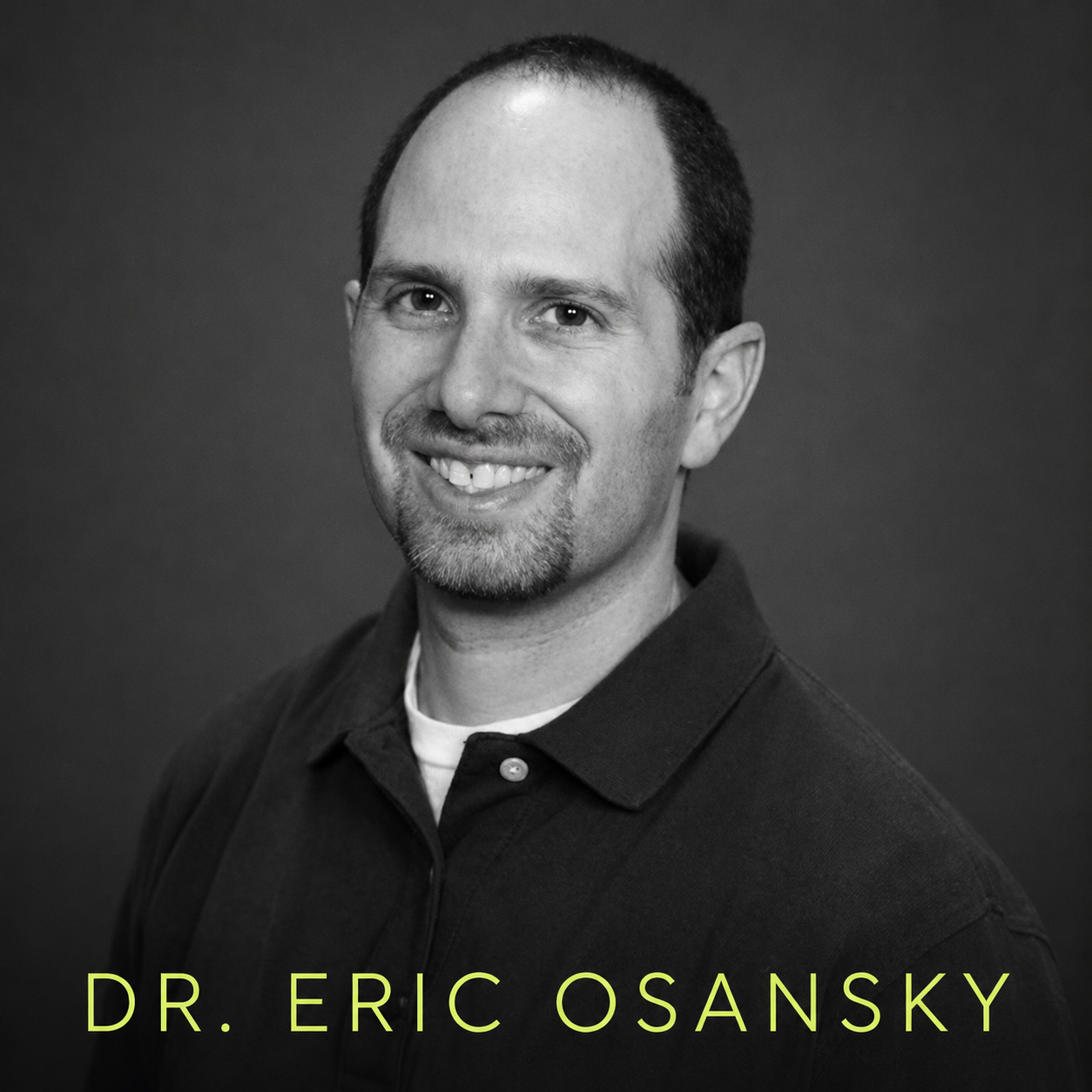
Who You’re Listening To: Dr. Eric Osansky
Dr. Eric Osansky is a chiropractor, clinical nutritionist, certified functional medicine practitioner, and thyroid expert who has focused on hyperthyroidism and Graves’ disease since 2009.
After restoring his own health following a Graves’ disease diagnosis, he dedicated his career to helping others explore comprehensive approaches to thyroid health. He is the author of multiple books on thyroid disease, creator of the SAVED Thyroid framework, and host of the Save My Thyroid podcast.
A Personal Diagnosis Changed Everything
Long before helping thousands of patients, Dr. Osansky became one himself.
After being diagnosed with Graves’ disease in 2008, he followed a path many people know well.
Doctor visits.
Testing.
Medication.
But as he learned more about autoimmune disease, he became increasingly interested in what might have triggered the condition in the first place.
That search eventually led him toward nutrition, functional medicine, environmental health, and lifestyle interventions that became the foundation of his practice today.
Looking Beyond The Thyroid
One of the biggest themes throughout the conversation is that autoimmune disease rarely develops in isolation.
The thyroid may be the organ under attack.
But the immune system doesn’t suddenly become dysregulated without a story behind it.
Dr. Osansky discusses several factors that may contribute to that story, including:
- chronic stress
- gut health
- nutritional deficiencies
- environmental toxicants
- mold exposure
- endocrine-disrupting chemicals
- cumulative toxic burden
Rather than viewing thyroid disease as a problem confined to one gland, he encourages patients to look at the bigger picture.
The Environment Is Part Of The Conversation
Naturally, the discussion turns toward indoor environments.
Michael shares what he’s seen after working with thousands of families dealing with mold exposure.
Some people recover quickly. Others continue struggling with chronic symptoms for months or years.
According to both Michael and Dr. Osansky, one reason may be that healing isn’t simply about removing an exposure.
It’s also about supporting the body’s ability to recover afterward.
The environment matters. But so does the person living in it.
Why Autoimmune Disease Looks Different For Everyone
Another important takeaway is that no two people experience thyroid disease exactly the same way.
- One person may develop Graves’ disease.
- Another develops Hashimoto’s.
- Someone else experiences multiple autoimmune conditions simultaneously.
The triggers, symptoms, and recovery process can vary dramatically.
That’s why Dr. Osansky emphasizes individualized care instead of one-size-fits-all protocols.
Wrapping It Up
One of the biggest ideas from this conversation is simple:
Sometimes the thyroid isn’t the beginning of the story. It’s where the story becomes visible.
Whether you’re living with Graves’ disease, Hashimoto’s, another autoimmune condition, or simply searching for answers after years of unexplained symptoms, Dr. Osansky offers a reminder that better questions often lead to better conversations.
Because treating symptoms is important.
Understanding why they developed may be just as important.

Meet Today’s Guest: Dr. Eric Osansky
What makes Dr. Osansky’s perspective unique is that it comes from both personal and professional experience.
Having navigated Graves’ disease himself, he understands the uncertainty that often follows an autoimmune diagnosis. His work encourages patients to look beyond symptom management and consider how factors like stress, nutrition, gut health, and environmental exposures may all contribute to long-term health.
- https://savemythyroid.com/GravesNewsletter
- https://substack.com/@savemythyroid
- https://savemythyroid.com/podcast-2/
- https://savemythyroid.com/book/
- https://savemythyroid.com/youtube
- https://www.skool.com/healinggravesdisease/about
- https://www.youtube.com/@NaturalThyroidDoctor/videos
- https://www.facebook.com/groups/saveyourthyroid/
- https://www.facebook.com/NaturalThyroidTreatment
- https://www.instagram.com/drericosansky/