
When a child develops eczema, the most common response is to treat it like a skin problem. A cream may be prescribed, parents may be told it’s common, and the expectation is often that the child will grow out of it over time.
But what if eczema is not the root problem at all?
In this episode of Never Been Sicker, Michael Rubino sits down with naturopathic pediatric practitioner Dr. Lindsay Hollister to explore why symptoms like eczema, allergies, constipation, and asthma are often misunderstood. Their conversation highlights a growing concern: many common childhood symptoms are being normalized when they should actually be investigated more carefully.
Who You’re Listening To: Miriam Putnam
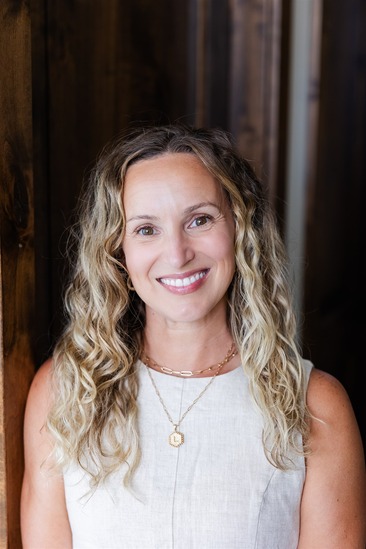
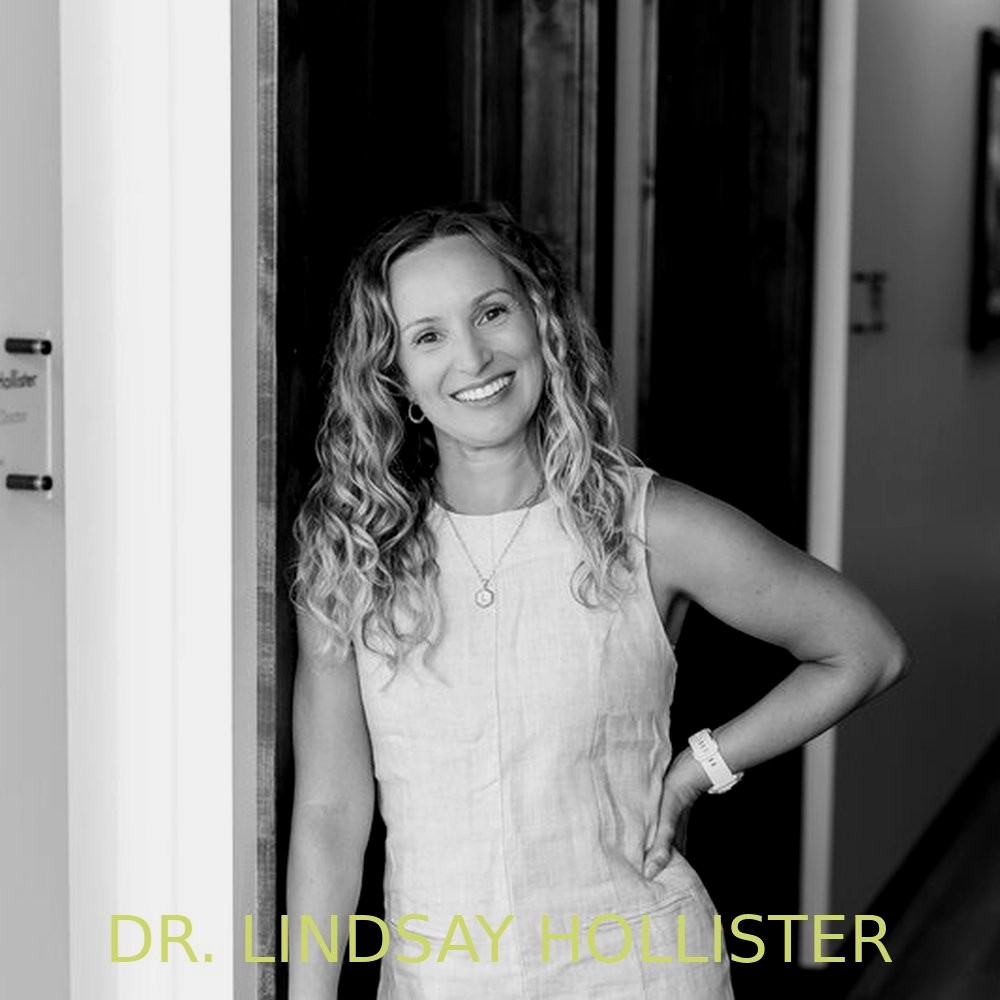
Dr. Lindsay Hollister is a naturopathic doctor and the founder of The Organic Cure.
Her work focuses on helping parents move beyond symptom-based care and toward a deeper understanding of what may be driving their child’s health challenges.
After becoming frustrated with conventional approaches that focused primarily on managing symptoms, she pursued naturopathic medicine to better understand root causes.
Today, her approach centers on empowering parents to observe patterns, ask better questions, and become active participants in their child’s health journey rather than passive recipients of care.
Eczema Is Often a Signal, Not the Problem
One of the central ideas in this episode is that eczema is not simply a skin condition. According to Dr. Hollister, it is often an immune response and a sign that the body is overwhelmed. In other words, the skin may be reflecting something happening internally rather than acting as the root issue itself.
Possible contributors can include environmental toxicities, gut imbalances, nutritional deficiencies, food sensitivities, and even mold or water-damaged environments. When viewed through this lens, eczema becomes less about the surface and more about what the body is trying to communicate.
Instead of focusing only on suppressing the rash, the more helpful question becomes: why is the body responding this way in the first place?
The Connection Between Eczema, Allergies, and Asthma
Dr. Hollister explains that eczema is often part of a broader pattern. Many children who begin with eczema later develop allergies or asthma, which can feel like separate issues but may actually be connected.
This progression reflects a deeper imbalance in how the immune system is functioning. Rather than one condition disappearing and another randomly appearing, the body may be expressing the same underlying issue in different ways over time.
Understanding this connection can help parents recognize early signs and patterns instead of waiting for symptoms to evolve into something more severe.
Why Mold Gets Missed So Often in Kids
Mold is one of the most important environmental themes in this episode, and according to Dr. Hollister, it is also one of the most underdiagnosed contributors to childhood chronic illness.
Part of the reason it gets missed is because children’s symptoms are often nonspecific, and many homes appear clean or newly built despite having hidden moisture or water damage. In addition, standard testing methods may not always capture the full picture, leaving families with a false sense of security.
One of the most practical clues she looks for is pattern-based. If a child improves after being away from the home for several days and then worsens again shortly after returning, that pattern alone can be an important signal that the environment may be playing a role.
Toxicities and Deficiencies: A Simple Framework
A helpful framework Dr. Hollister uses is viewing health through two lenses: toxicities and deficiencies. This approach provides a simple but powerful way to begin understanding why symptoms may be present.
Toxicities refer to what the body is being exposed to or overwhelmed by, such as mold, chemicals, heavy metals, or other environmental triggers. Deficiencies refer to what the body may be lacking to function properly, including nutrients, minerals, healthy fats, and proper hydration.
When both sides are considered together, it becomes easier to see why symptoms may persist and why simply addressing one side of the equation is often not enough.
Common Does Not Mean Normal
One of the most important mindset shifts in this episode is the idea that common does not mean normal. Many symptoms are frequently seen in children, but that does not mean they should be dismissed or accepted without question.
Recurring eczema, chronic allergies, constipation, frequent illness, and repeated reliance on medications without a broader plan are all examples of symptoms that may deserve closer attention.
For many parents, this realization is empowering. It shifts the focus away from managing symptoms indefinitely and toward understanding what may be driving them in the first place.
What Parents Can Start Paying Attention To
Rather than jumping straight to solutions, Dr. Hollister encourages parents to begin by observing patterns. This approach allows for more clarity and can help guide more meaningful next steps.
Some helpful questions to consider include whether a child improves when away from the home, whether symptoms flare after certain foods or routines, whether digestion is consistent, and whether any recent changes in the environment may be contributing.
These observations do not replace medical care, but they can provide valuable context and help parents become stronger advocates for their children.
The Role of Fever and the Immune System
The episode also touches on how fever is often misunderstood. Dr. Hollister explains that fever can be a natural and important immune response, indicating that the body is actively working to resolve an issue.
Rather than something that always needs to be immediately suppressed, fever can sometimes be supported while monitoring for signs that require medical attention. Understanding the difference can help parents feel more confident and less reactive in the moment.
The Takeaway
This episode is not just about eczema, allergies, or asthma. It is about how we interpret symptoms in children and the importance of looking beyond the surface.
When symptoms are repeatedly suppressed without understanding the cause, the underlying issue may continue to develop over time. For many families, the shift begins with curiosity and a willingness to ask better questions.
Instead of asking how to make a symptom go away, the more powerful question becomes: what is this symptom trying to tell us?

Meet Today’s Guest: Dr. Lindsay Hollister
Dr. Lindsay Hollister is a naturopathic doctor and the founder of The Organic Cure.
She focuses on helping parents understand the root causes behind their children’s symptoms by exploring the connection between environment, nutrition, immune function, and overall health.
Her work emphasizes education, pattern recognition, and empowering parents to become confident advocates for their children.
Learn more about Dr. Hollister’s work:
@theorganiccure