
What happens when the thing you hoped would help you feel more confident…
starts making you feel worse?
For many women, that question feels uncomfortable to ask.
Especially when the symptoms do not show up overnight.
- Fatigue.
- Brain fog.
- Food sensitivities.
- Skin changes.
- Puffiness.
- Inflammation.
- Feeling unlike yourself.
And sometimes, no clear explanation for why.
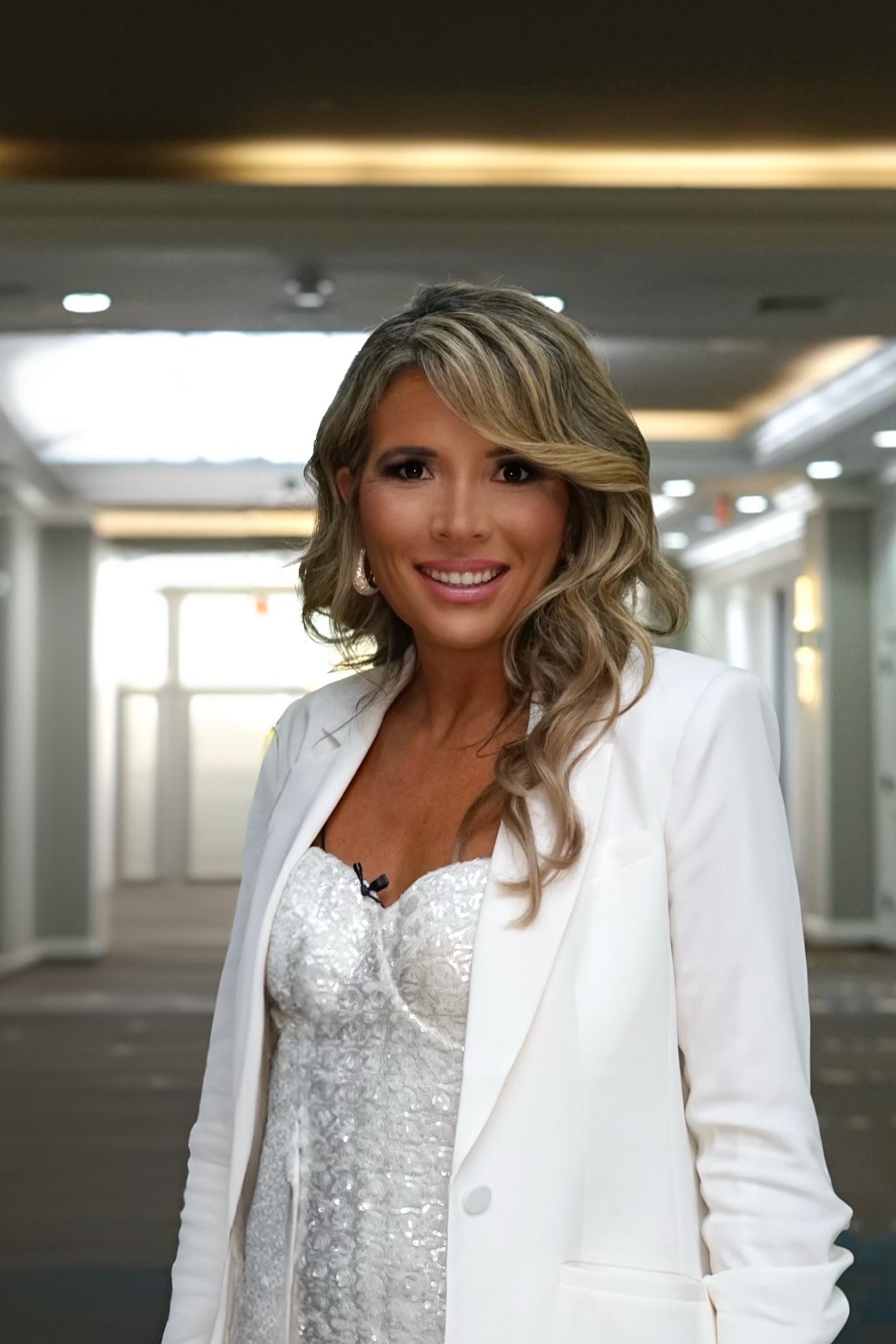
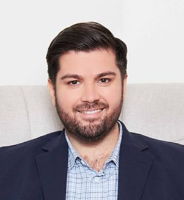
In a recent episode of Never Been Sicker, Michael Rubino sits down with healthcare entrepreneur Vivienne Reign for a candid conversation about breast implant illness, plastic toxicity, beauty standards, aging, and the bigger wellness questions many women are quietly beginning to ask.
Because this episode is about much more than breast implants.
It is a conversation about confidence, health, modern beauty culture, and what happens when quick fixes stop feeling aligned with long-term wellness.
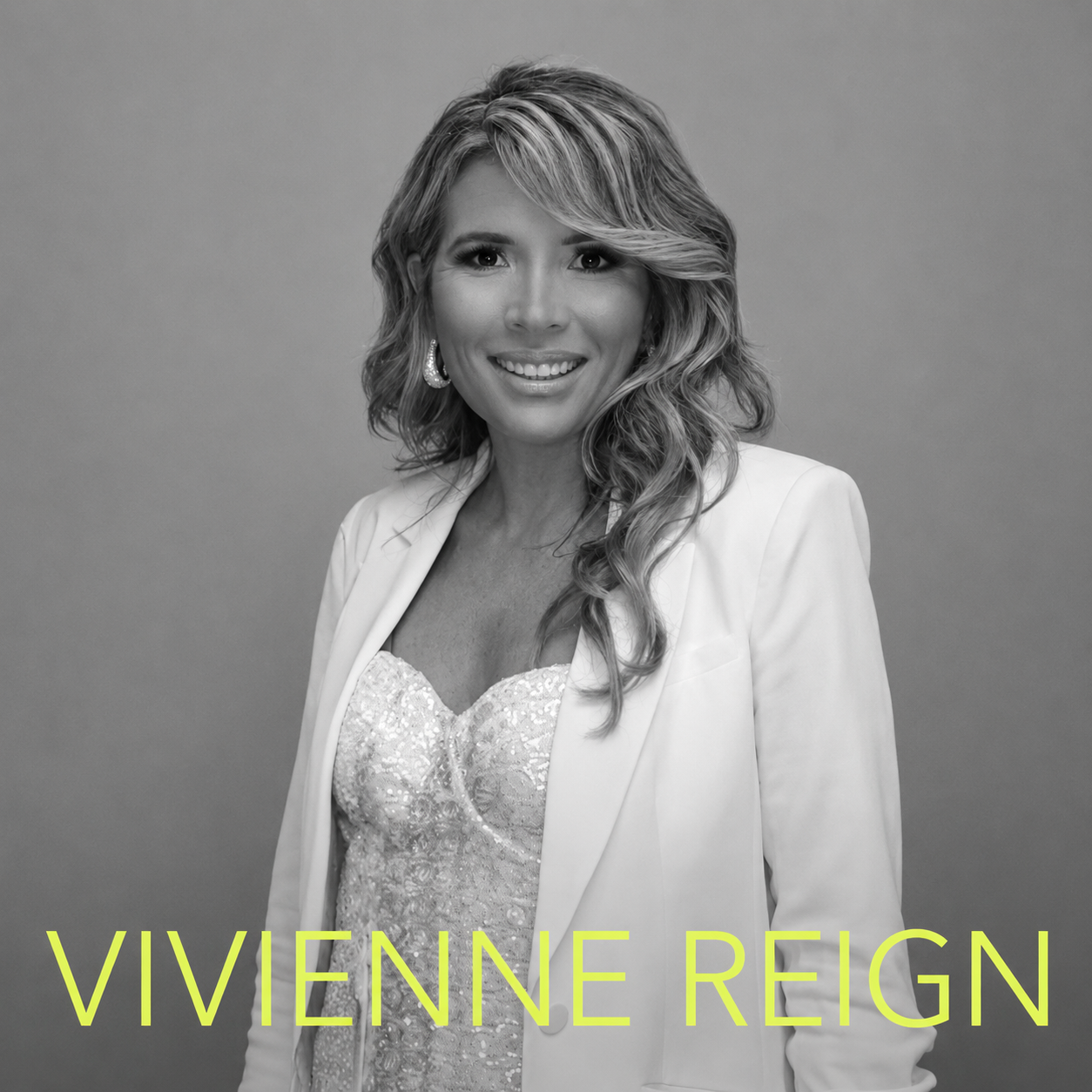
Who You’re Listening To: Vivienne Reign
Vivienne Reign is a healthcare entrepreneur leading the next wave of medical innovation. She has generated more than $200 million in cash treatment revenue, founded 12 multimillion-dollar businesses, and partnered with physicians to help scale more than 600 clinics across the United States.
Beyond business, Vivienne has become deeply passionate about health optimization, longevity, and helping people think differently about wellness, performance, and sustainable health practices.
Her personal experience navigating breast implant illness became part of a much bigger health transformation that ultimately shifted how she views beauty, aging, and wellness.
When Symptoms Start Slowly
Vivienne’s story did not begin with a dramatic health crash.
Instead, her symptoms appeared gradually over time.
She began noticing:
- unexplained weight gain
- swollen lymph nodes
- skin rashes
- low energy
- brain fog
- puffiness
- food sensitivities
Like many people focused on wellness, she started by cleaning up her nutrition and removing foods that triggered reactions.
But despite making healthier choices, something still felt off. And the symptoms continued.
Eventually, specialized testing revealed elevated levels of plastic toxicity.
The result surprised her.
Especially because she had already spent years minimizing plastic exposure in everyday life.
No bottled water.
No plastic food storage.
Fewer common sources of exposure.
Which led to a question she had not seriously considered before:
Could her breast implants be contributing to the problem?
What Is Breast Implant Illness?
One of the most important themes throughout this episode is nuance.
Breast implant illness, often shortened to BII, is not currently recognized as a formal medical diagnosis. However, many women report experiencing clusters of symptoms that they believe may be connected to their implants.
And according to Vivienne, symptoms can look very different from person to person.
- Some women experience only a few symptoms.
- Others describe a gradual decline over time.
- Some notice changes immediately.
- Others feel fine for years before symptoms begin.
This variation is part of what makes the conversation so complicated and, at times, controversial.
Rather than offering blanket answers, the episode encourages women to stay curious, ask better questions, and pay attention to changes in their bodies.
Why Symptoms May Worsen Over Time
One of the most eye-opening parts of the conversation focuses on how implants may affect the body even when they are not ruptured or visibly leaking.
Vivienne explains what she learned from specialists who discussed how implants naturally degrade over time.
The comparison she shares is simple:
Much like a plastic water bottle may slowly break down, implants may also gradually change within the body over time.
This perspective helped explain something she had struggled to understand:
Why symptoms often worsen years later rather than immediately after surgery.
While experiences vary and more research continues to emerge, it raises an important point:
Sometimes health changes are gradual.
And sometimes the body whispers before it screams.
Not All Explant Procedures Are The Same
Another major topic discussed in the episode is explant surgery.
For women exploring implant removal, Vivienne explains that understanding the differences between procedures matters.
In some cases, surgeons remove only the implant.
In others, they may also remove the surrounding scar tissue, often referred to as the capsule.
This became an important part of Vivienne’s own research process as she looked for a surgeon whose approach aligned with her goals and health concerns.
The takeaway?
Questions matter.
And understanding options matters.
Especially when making decisions that impact long-term health.
The Bigger Beauty Conversation
While breast implants are a major part of the episode, the conversation quickly expands into something much larger:
The pressure to maintain appearance.
Vivienne openly reflects on why she originally chose breast augmentation after pregnancy and breastfeeding.
Like many women, she wanted to feel confident in her body again.
Looking back, she also recognizes how deeply beauty standards, cultural messaging, and appearance expectations influenced that decision.
That honesty opens the door to a bigger conversation many people are quietly having:
What are we willing to sacrifice in the pursuit of looking younger, thinner, or more “perfect”?
Botox, Fillers, And The “Quick Fix” Culture
The episode also dives into cosmetic procedures beyond implants, including Botox and fillers.
Vivienne shares her personal experience trying Botox and explains why she ultimately chose not to continue.
Rather than framing cosmetic procedures as inherently bad, the conversation asks a broader question:
Do some beauty trends align with long-term wellness goals?
Or are they another version of the quick-fix mindset?
Michael and Vivienne explore concerns around:
- neurotoxins
- filler migration
- tissue stretching
- aesthetic dependency
- chasing perfection instead of health
The conversation is not about judgment.
It is about awareness.
And asking whether the choices we make today align with how we want to feel long term.
Why “Health Is The New Beauty”
One of the strongest themes throughout the episode is a growing cultural shift:
The move toward graceful aging.
Instead of chasing perfection, more people are focusing on:
✨ energy
✨ vitality
✨ skin health
✨ sleep
✨ nutrition
✨ movement
✨ inflammation reduction
✨ feeling good from the inside out
Vivienne discusses the role of:
✔ quality sleep
✔ nutrition
✔ hydration
✔ lymphatic drainage
✔ gua sha
✔ red light therapy
✔ regenerative skincare
✔ nervous system support
Not as overnight fixes.
But as ways to support the body’s natural systems.
Because increasingly, the conversation is shifting from:
“How do I look younger?” to: “How do I actually feel better?”
The Bigger Takeaway
This episode is not about fear.
And it is not about telling women what choices they should or should not make.
It is about information.
Awareness.
And asking better questions.
Because whether the topic is breast implants, Botox, fillers, weight-loss drugs, or wellness trends… the bigger conversation remains the same:
Are we building health, or chasing quick fixes?
And perhaps more importantly:
What would change if we viewed health as the foundation of beauty instead of something separate from it?

Meet Today’s Guest: Vivienne Reign
What makes Vivienne’s perspective especially unique is that this conversation comes from lived experience.
She is not speaking only as a healthcare entrepreneur.
She is speaking as someone who experienced unexplained symptoms firsthand, explored deeper testing, questioned long-held assumptions, and ultimately made major changes in pursuit of feeling better.
Today, she advocates for a more thoughtful conversation around beauty, wellness, aging, and the importance of addressing root causes rather than simply normalizing feeling unwell.
Her message is simple:
Feeling exhausted, inflamed, foggy, or unlike yourself should not automatically become your normal.