
Most people think mold causes sneezing.
Sinus infections.
Asthma flare-ups.
A musty smell in the basement.
But what if mold is behind something much bigger?
- Brain fog.
- Depression.
- Infertility.
- Strange medication reactions.
- Chronic fatigue that won’t resolve.
- Recurring infections that never fully go away.
In this episode of Never Been Sicker, I sit down with Dr. Eric Potter of Sanctuary Functional Medicine to unpack what mold illness actually looks like in real patients.
And it rarely presents the way most doctors are trained to look for.
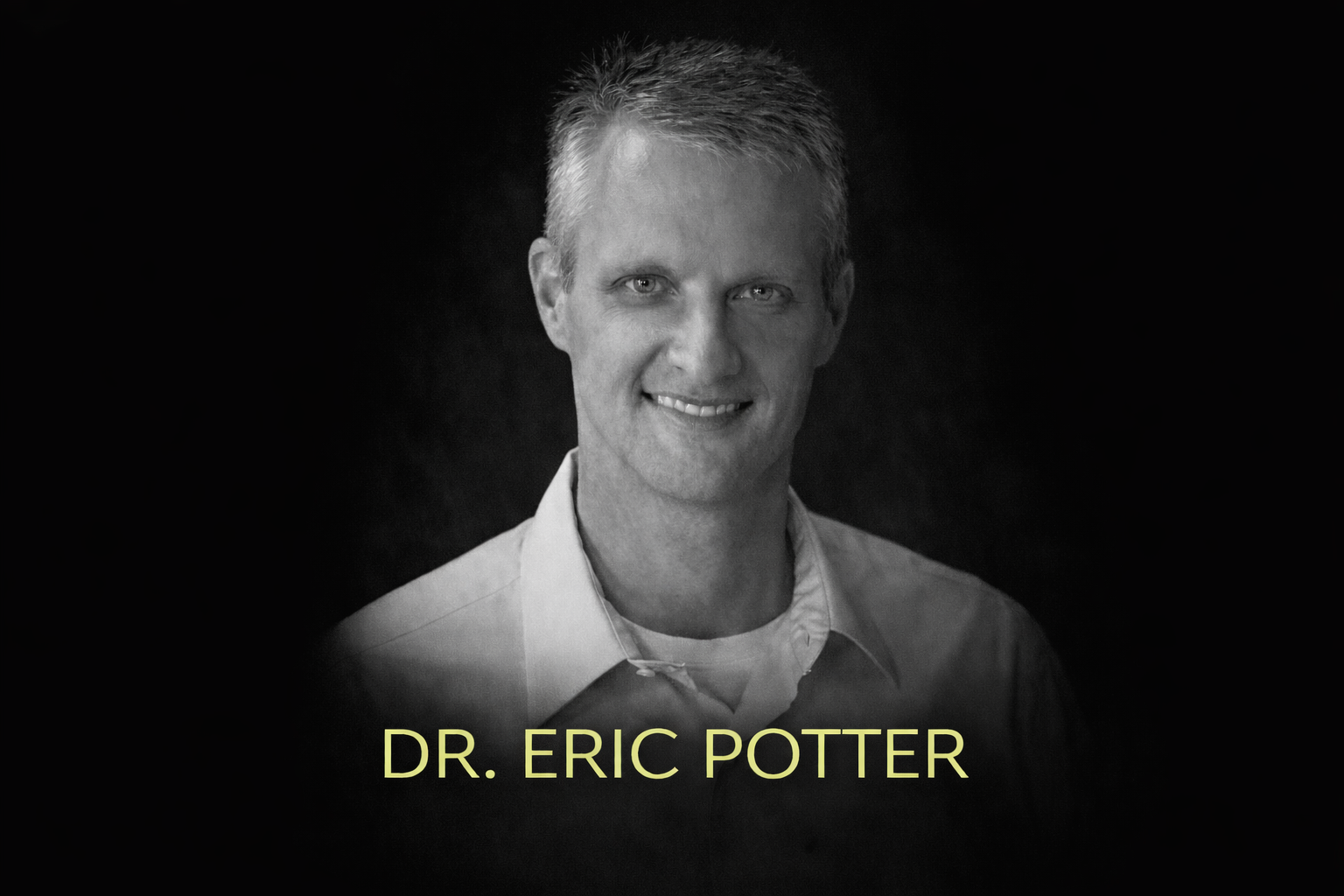
Who You’re Listening To: Dr. Eric Potter
Dr. Eric Potter is board-certified in both Internal Medicine and Pediatrics, with dual training that allows him to care for patients across the lifespan.
But what sets him apart is his additional certification through the Institute for Functional Medicine and extensive training in mold toxicity, environmental illness, methylation, and nutrigenomics.
His work sits at the intersection of: Conventional medical training • Functional root-cause investigation • Environmental medicine • Personalized detox and recovery
In short: He bridges systems that often don’t speak to each other.
And that matters when dealing with something as complex as mold illness.
Mold Is a Multi-System Illness
Dr. Potter describes mold illness as a “multi-system, multi-symptom disorder.”
Patients rarely come in with one complaint.
Instead, they show up with five. Six. Sometimes ten symptoms affecting completely different systems.
- Sinus infections.
- Brain fog.
- Food sensitivities.
- Depression.
- Hormonal shifts.
- Chronic fatigue.
- Strange reactions to medications.
- Recurrent yeast or SIBO.
- Frequent viral infections.
The pattern?
Multiple systems affected at once.
Instead of treating five separate diagnoses, mold may be the single root driver underneath all of them.
Why Mold Is So Often Missed
Conventional medicine recognizes mold primarily as a respiratory trigger.
What it often misses is systemic impact.
There is no single mold profile.
No universal lab pattern.
No 10-minute appointment shortcut.
Mold illness requires:
- Detailed history taking
- Environmental investigation
- Advanced lab testing
- Time
- A personalized plan
And most healthcare systems are not structured for that depth.
So patients bounce from specialist to specialist.
Ten doctors.
Twenty doctors.
Sometimes more.
The problem is not lack of effort.
It’s that the root cause hasn’t been identified.
You Cannot Heal While Living in Exposure
One of the most important takeaways from this conversation:
You cannot supplement your way out of a moldy house.
Patients often improve 40 to 50 percent while still living in exposure.
But full recovery rarely happens until the source is addressed.
Healing requires two tracks moving simultaneously:
- Remove exposure
- Support the body
That means:
- Proper remediation.
- Moisture control.
- Environmental verification.
- Detox support.
- Immune recalibration.
- Inflammation reduction.
Body + building.
Not one or the other.
Mold and Immune Suppression
Mold does more than irritate sinuses.
It can suppress immune function.
Dr. Potter frequently sees mold exposure alongside:
- Epstein–Barr virus reactivation
- Lyme disease
- Bartonella
- Chronic yeast overgrowth
- Recurrent SIBO
- Frequent viral infections
- Autoimmune conditions
Some patients report getting sick 5 to 10 times per year.
Once exposure is removed and detox begins, the immune system often stabilizes.
Infections decrease.
Recovery improves.
Resilience returns.
The Fertility Conversation
Fertility rates are declining.
And environmental toxins are increasingly part of the conversation.
Dr. Potter explains how mold toxicity can disrupt hormone signaling, including estrogen, progesterone, and testosterone.
He has seen patients:
- Regain menstrual cycles after long absence.
- Normalize irregular or painful cycles.
- Successfully conceive after years of infertility.
Environmental toxins, including mold and xenoestrogens like BPA, increase total hormonal burden.
When that burden is reduced, the body often regains its rhythm.
How Long Does Recovery Take?
There is no universal timeline.
Some patients see improvement within 3 to 6 months after removing exposure.
Others who have lived in mold for decades may take 1 to 3 years to fully recover.
Recovery depends on:
- Duration of exposure
- Genetic sensitivity
- Immune function
- Hormonal status
- Co-infections
- Quality of remediation
But improvement is possible.
That’s the critical message.
The Light at the End of the Tunnel
Dr. Potter shares stories of patients who:
- Could not attend their children’s games due to fatigue.
- Struggled to work full-time.
- Experienced cognitive decline.
- Battled infertility for years.
After addressing exposure and detox:
- They returned to work.
- They regained energy.
- They restored fertility.
- They felt like themselves again.
Not overnight.
But steadily.
Final Word
If you’ve been told your labs are normal but you still feel terrible…
If your symptoms began after a move, renovation, water leak, or new job…
If you’ve seen doctor after doctor without answers…
You are not crazy.
Mold illness does not always look like allergies.
But healing is possible.

Meet Today’s Guest: Dr. Eric Potter
Dr. Eric Potter is a dual board-certified physician in Internal Medicine and Pediatrics, and a Certified Functional Medicine Practitioner through the Institute for Functional Medicine.
His additional training includes:
- Mold toxicity education
- Environmental and chronic illness conferences
- Advanced modules in detox, immune function, cardiometabolic health, and hormones
- Methylation and nutrigenomics coursework
Through Sanctuary Functional Medicine, he practices outside the insurance-driven model, allowing for longer visits, deeper investigation, and wholesale pricing on labs and supplements.
His approach is built on uncovering root causes rather than managing symptoms.
And his mission is clear:
- Whole-person care.
- Unbiased recommendations.
- Restoring health at its foundation.