
When you’re sick, there are things you miss that healthy people rarely think twice about. Having enough energy to spend an afternoon with your kids. Making plans without wondering whether you’ll feel well enough to keep them. Waking up in the morning and trusting that your body will cooperate.
And when those ordinary things become difficult, it’s understandable to do almost anything to get them back. For Brad Pitzele, that search lasted years.
After being diagnosed with autoimmune arthritis, melanoma, Lyme disease, and Bartonella, Brad found himself navigating debilitating fatigue, brain fog, pain, and mobility problems that affected nearly every part of his life. He tried different medications. Diets. Supplements. Herbal approaches. Lifestyle changes. Alternative therapies.
Eventually, he sat down and made a list of everything he’d tried.
It was nearly 200 different treatments and approaches.
And he wasn’t even sure he’d remembered them all.
On this episode of Never Been Sicker, Brad joins Michael Rubino to share what years of chronic illness taught him about his body, the importance of understanding what’s actually helping, and why his definition of recovery eventually changed. Because after spending so much time trying to get his old life back, Brad began to wonder whether returning to that exact life was really the goal anymore.
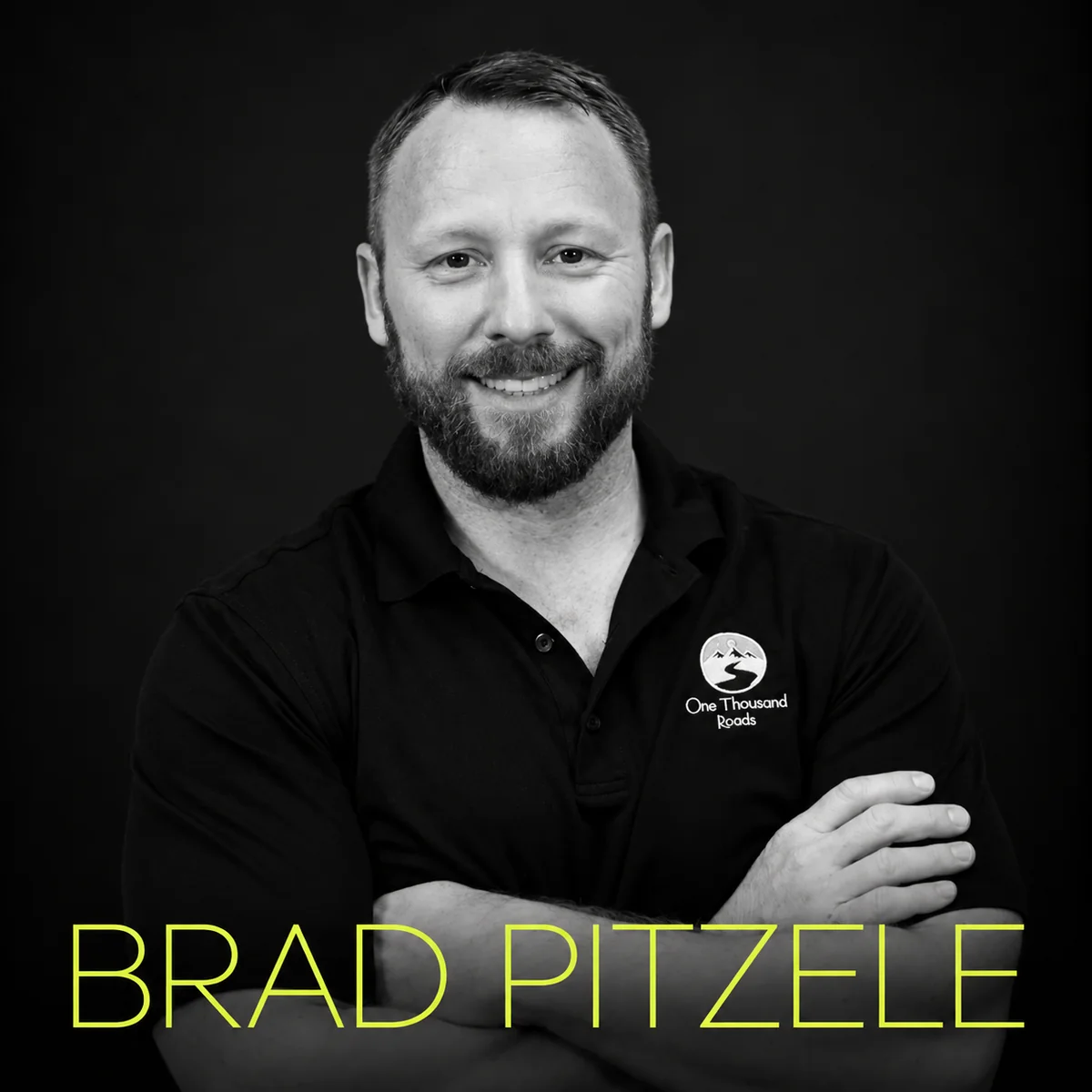
Who You’re Listening To: Brad Pitzele
Brad Pitzele is the founder of 1000 Roads, a company focused on exercise with oxygen therapy (EWOT) and related wellness technologies.
After being diagnosed with autoimmune arthritis in 2010 and malignant melanoma in 2014, Brad began exploring different approaches to managing his health. He was later diagnosed with Lyme disease and Bartonella, and his continued symptoms led him to investigate mitochondrial function, oxygen delivery, inflammation, and other aspects of cellular health.
Drawing on his engineering background, Brad approached many of these questions with an interest in understanding how different systems interact and how changes might be measured.
He eventually became interested in EWOT, an approach he credits with contributing to his personal improvement. Today, through 1000 Roads, he shares information about oxygen-based wellness approaches and sells related equipment.
When Your Health Becomes a Full-Time Job
For someone living with chronic illness, the search for answers can become exhausting in its own right. There are appointments to schedule, specialists to see, medications to manage, research to read, and new approaches to consider.
Sometimes a treatment helps.
Sometimes it doesn’t.
Sometimes it’s difficult to tell whether anything is changing at all.
Brad experienced that uncertainty for years. His health challenges began with autoimmune arthritis, and he initially used medications to manage the condition.
When he was diagnosed with melanoma several years later, he became concerned about the potential risks associated with some of his treatments and began reconsidering his options with his healthcare providers. His melanoma has remained in remission for more than a decade, but other health challenges continued.
He was eventually diagnosed with Lyme disease and Bartonella, and his symptoms became increasingly difficult to manage. Brad describes experiencing profound fatigue, brain fog, pain, and limitations that interfered with everyday activities.
At one point, he explained that spending a relatively short amount of time playing with his children could leave him needing days to recover.
Imagine having to calculate whether an ordinary afternoon with your family is worth how you might feel afterward.
That’s the kind of exhaustion Brad was navigating. And it’s part of what drove him to keep searching.
What Happens When You’ve Tried Almost Everything?
Nearly 200 treatments is a staggering number. But what makes Brad’s experience interesting isn’t simply how many things he tried. It’s what that process taught him about trying to understand his own health.
With so many possible interventions available, it can be tempting to move quickly from one approach to the next, especially when symptoms are affecting your ability to function.
The difficulty is that introducing several changes at once can make it harder to identify which ones are helping, which aren’t, and whether improvements might be related to something else entirely.
Brad’s engineering background influenced how he eventually approached that problem. Rather than simply looking for the next possible solution, he became increasingly interested in understanding the systems involved and observing how his body responded over time.
That shift led him to explore mitochondrial health, oxygen delivery, and the relationship between inflammation and energy production. But it also led him toward something considerably less complicated.
Paying attention to the changes that were already happening.
The Small Improvements You Might Not Even Notice
One of Brad’s most practical lessons from years of chronic illness had nothing to do with a particular treatment. It was keeping a symptom journal.
When you’re experiencing numerous symptoms at once, it’s easy for the most disruptive ones to dominate your attention.
Maybe you’re still exhausted.
Maybe you’re still experiencing pain.
Maybe your concentration hasn’t returned to where you’d like it to be.
Those ongoing challenges can make it difficult to recognize that something else has improved.
Perhaps you’re sleeping a little better.
Maybe a symptom that used to happen every day is now occurring less frequently.
Or maybe you’re able to do something that would have been difficult a few months earlier.
Brad found that documenting his symptoms helped him recognize changes he might otherwise have overlooked. It also helped him evaluate his experiences more systematically.
For people managing complex health conditions, tracking symptoms can provide useful information to share with healthcare professionals. A journal might include when symptoms occur, their severity, medications or treatments being used, possible triggers, and changes in daily functioning.
Of course, improvement in a symptom doesn’t necessarily establish which intervention caused it. But having a record can make conversations with medical providers more productive and help identify patterns worth investigating.
And for Brad, recognizing progress also helped him maintain something that had become increasingly important.
Hope.
Why Brad Became Interested in Mitochondrial Health
As Brad continued researching his health, he became particularly interested in mitochondria. Mitochondria are structures within our cells responsible for producing much of the energy our bodies use to function.
That energy supports an enormous range of biological processes, including muscle movement, brain activity, and cellular maintenance. Oxygen plays an important role in aerobic energy production, helping cells generate energy efficiently.
Brad began exploring whether processes involving inflammation, circulation, oxygen delivery, and mitochondrial function might help explain some of the symptoms he had experienced.
During the episode, he describes what he calls the “doom loop.” In his explanation, inflammation and impaired oxygen delivery may contribute to reduced cellular energy, potentially making it more difficult for the body to function and recover.
There is scientific research examining relationships among inflammation, mitochondrial function, and oxygen availability. However, Brad’s broader explanation reflects his interpretation of these processes in the context of chronic illness.
Persistent fatigue and brain fog can have many possible causes. They do not necessarily indicate that someone has inadequate oxygen delivery or mitochondrial dysfunction.
Still, his interest in these systems eventually led him to explore a therapy that became a significant part of his personal story.
What Is Exercise With Oxygen Therapy?
Exercise with oxygen therapy, commonly called EWOT, involves performing physical activity while breathing oxygen-enriched air through a mask. Brad describes using this approach as part of his personal recovery efforts.
In the episode, he explains how EWOT works, why he became interested in it, and how he believes it influenced his health. He also discusses red light therapy and research into mitochondrial function.
Brad credits these approaches, particularly EWOT, with contributing to improvements in his well-being. His experience eventually inspired him to establish 1000 Roads, a company that provides oxygen therapy equipment.
It’s important to distinguish his personal experience from established medical evidence.
EWOT has not been established as a treatment or cure for Lyme disease, Bartonella infection, autoimmune arthritis, mold-related illness, or the other complex conditions discussed in this episode.
Although oxygen is essential to normal cellular function, that does not mean breathing supplemental oxygen will improve every condition associated with fatigue or inflammation. Supplemental oxygen can also carry risks, and the safety of exercise-based therapies depends on an individual’s medical circumstances.
Anyone considering EWOT or another oxygen-based intervention should discuss the potential benefits and risks with a qualified healthcare professional. Brad’s story is an account of what he explored and what he believes helped him. It isn’t a treatment protocol for others to follow.
Sometimes It’s Worth Looking at What You’re Exposed to Every Day
One of the conversations Michael and Brad have during the episode is about the difference between adding new interventions and addressing factors that may already be affecting your health. It’s a distinction that connects naturally to Michael’s work in environmental health.
When people are trying to feel better, it’s understandable to focus on what they might add.
A new supplement.
A different diet.
Another therapy.
A new routine.
But what about the conditions they’re living in every day?
Brad discusses the importance he places on foundational health habits, including the quality of the air people breathe. As he explains:
“The very first thing you want to do is you wanna clean up all your inputs, right? Your air should be clean.”
That doesn’t mean indoor air quality is responsible for every unexplained health problem. And it certainly doesn’t mean improving your home environment can replace appropriate medical care.
But our surroundings are one part of our overall health picture. Indoor environments can contain allergens, particulate matter, chemical pollutants, and biological contaminants.
Excess moisture can also contribute to mold growth, which is associated with respiratory symptoms, allergies, and other health effects in susceptible individuals.
For someone dealing with persistent symptoms, environmental conditions may be worth discussing with their healthcare team, particularly when there is a known exposure concern.
The important distinction is that considering your environment is not the same as assuming your environment is the cause. A thorough approach to health leaves room for investigating both medical and environmental factors without automatically attributing one to the other.
The Foundations of Health Aren’t Always the Most Exciting Part
Michael makes an observation during the conversation that gets at something many people can relate to.
“The air you breathe, the water you drink, the food you eat, like, that’s the basic pillars of health here. But yet we’re always looking for answers elsewhere.”
It’s easy to understand why. When you’re struggling, a new intervention can feel like a concrete step forward. The fundamentals aren’t always as exciting.
Getting adequate sleep.
Eating a balanced diet.
Moving in ways your body can safely tolerate.
Addressing ongoing moisture problems in your home.
Maintaining appropriate ventilation.
Working with healthcare professionals to understand existing conditions and manage symptoms.
None of these necessarily provides a dramatic before-and-after moment. And for people living with significant chronic illness, some of these activities may be difficult or require medical guidance.
But foundational habits and environmental conditions can still matter. That doesn’t mean they’re sufficient to treat complex illnesses. It means they deserve consideration alongside appropriate medical treatment, rather than being overlooked in the search for something new.
For Brad, thinking about his health more broadly eventually became part of how he understood recovery.
What If Getting Better Doesn’t Mean Going Back?
When Brad was at his sickest, he wanted what many people in his position want.
His old life back.
He wanted to feel capable again.
He wanted the energy to participate in everyday activities.
He wanted to stop organizing so much of his life around his symptoms.
But as his health journey continued, something interesting happened. He began changing his habits, reconsidering his priorities, and thinking differently about what supported his well-being. And eventually, he started questioning whether returning to his previous routines was actually what he wanted.
After everything he’d experienced, was the goal really to go back to exactly how things had been?
Or could recovery mean building a different kind of life?
Brad puts it simply:
“Recovery means you get a full life back to me.”
There’s an important distinction in those words. A full life doesn’t necessarily have to look identical to the one you had before becoming ill.
Your priorities might change.
Your routines might look different.
You might become more aware of your limits, more intentional with your time, or more protective of the things that matter most to you.
And for some people, chronic illness may continue to require ongoing care, accommodations, and adjustments. That doesn’t make their lives any less meaningful.
A full life isn’t defined solely by the absence of symptoms. It’s also about having room for relationships, experiences, purpose, and the things that make life feel like your own.
Final Thoughts
There’s something deeply human about wanting to get back to who you were before your health changed.
Before the appointments.
Before the symptoms.
Before everyday activities required so much planning.
Brad Pitzele spent years searching for answers, exploring nearly 200 approaches, and trying to understand what might help him feel better. His experience eventually led him toward mitochondrial health, oxygen-based therapies, and the company he founded.
But one of the most meaningful lessons he shares has nothing to do with a particular treatment. It’s that progress can be difficult to recognize when you’re focused on everything that still feels wrong. And that recovery doesn’t necessarily mean returning to exactly the same life you had before.
For someone living with chronic illness, those ideas don’t erase the frustration, uncertainty, or very real challenges of managing their health. But they can offer another way to think about what moving forward might look like.
Maybe it’s recognizing an improvement you hadn’t noticed.
Maybe it’s finding a routine that makes daily life more manageable.
Maybe it’s learning to ask better questions about your health.
Or maybe it’s realizing that the life you’re working toward doesn’t have to be a perfect recreation of the one you lost.
Because sometimes, getting your life back isn’t about going backward at all.

Meet Today’s Guest: Brad Pitzele
What makes Brad’s perspective interesting isn’t that he claims to have discovered a universal solution to chronic illness. It’s that he spent years navigating the uncertainty that comes with not knowing what might help.
His engineering background gave him a particular way of approaching that uncertainty. He wanted to understand how things worked, evaluate different possibilities, and find ways to recognize whether he was making progress.
But his experience also changed how he thought about the life he was trying to return to. Throughout the episode, Brad speaks about the physical and emotional toll of chronic illness, the challenge of maintaining hope, and the realization that recovery may require reconsidering more than symptoms alone.
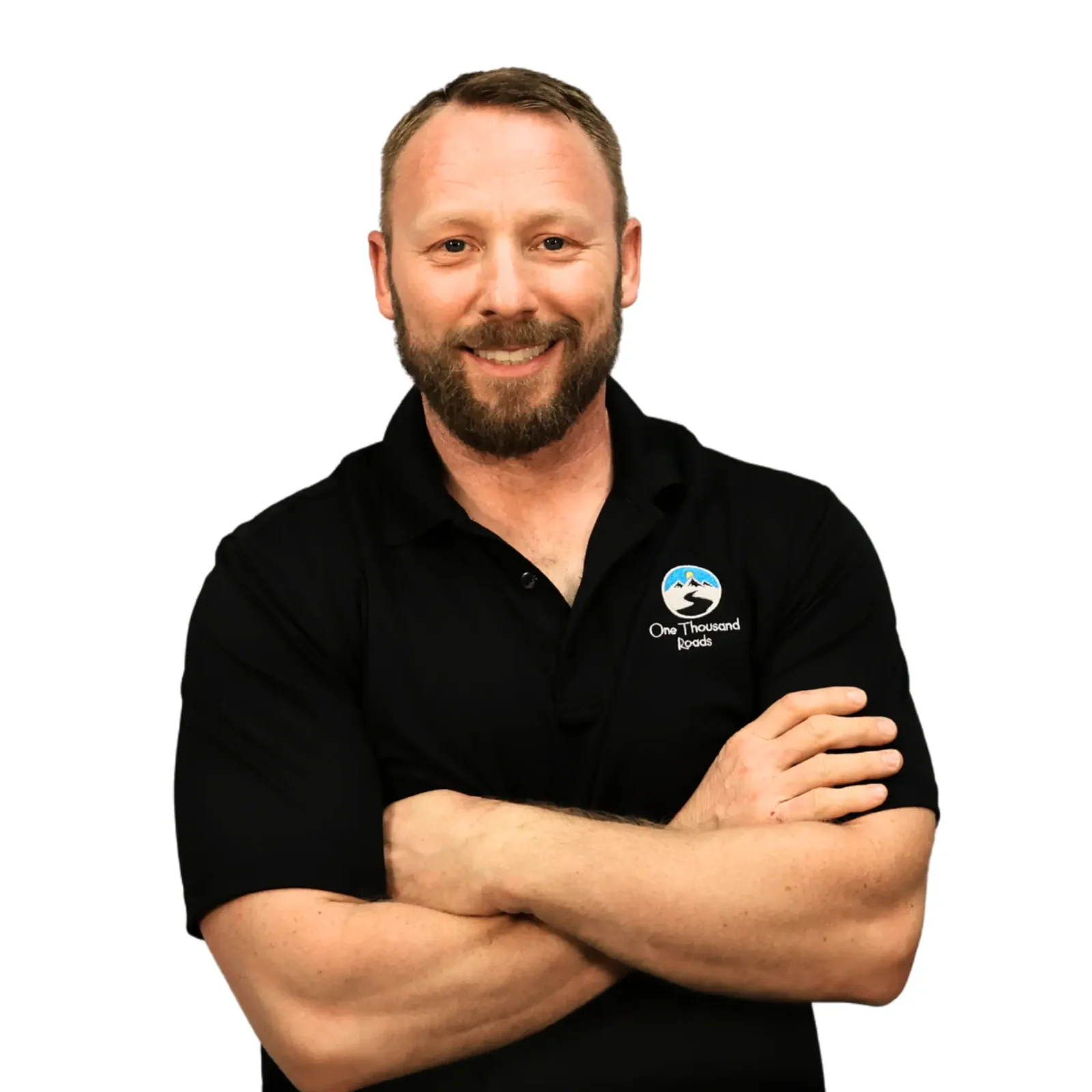
His eventual interest in oxygen-based wellness approaches became the foundation of 1000 Roads. Yet some of the most meaningful parts of his conversation with Michael have little to do with the equipment he now offers. They’re about learning to recognize progress, accepting that recovery may look different from what you originally imagined, and finding a way to build a fulfilling life after years of uncertainty.