

Cynthia Thurlow was sitting across from her physician when she heard an explanation countless women have probably heard in some form:
“Cynthia, weight gain is a normal function of aging.”
She understood that bodies change with age. She understood that hormones change. She understood that metabolism, muscle mass, sleep, and body composition can change, too.
But she also knew how she felt.
And “you’re getting older” didn’t seem like enough of an explanation.
“That can’t be enough of a reason for women to have to tolerate not feeling well, not having energy, not being able to sleep,” Cynthia recalls.
That distinction sits at the center of her conversation with Michael Rubino on this episode of Never Been Sicker.
Midlife brings real physiological changes. Perimenopause and menopause can affect how women sleep, feel, recover, and experience their bodies.
But Cynthia believes there’s a difference between acknowledging those changes and automatically attributing every new symptom to them.
Because sometimes the first explanation is part of the story.
It just isn’t the whole story.
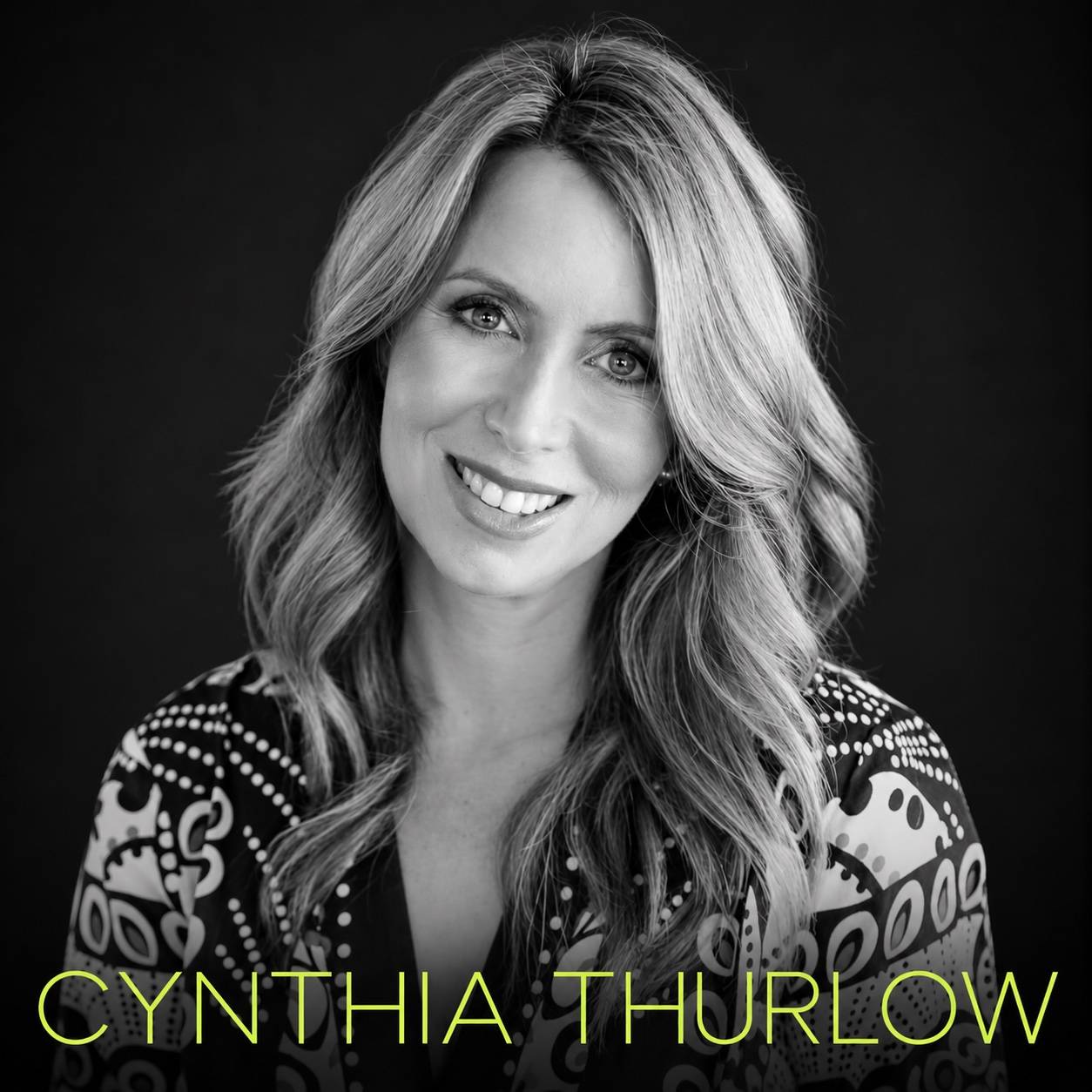
Who You’re Listening To: Cynthia Thurlow
Cynthia Thurlow is a nurse practitioner, nutrition and metabolic health expert, bestselling author, and TEDx speaker whose talk on intermittent fasting has reached more than 15 million views.
Before becoming a leading voice in women’s health, Cynthia spent nearly 20 years working in emergency medicine and cardiology. Her perspective later expanded into nutrition, metabolic health, and functional approaches to complex health concerns, a shift influenced in part by her own serious health crisis that resulted in a 13-day hospitalization.
Today, much of her work focuses on helping women navigate perimenopause and menopause, including changes involving energy, body composition, food cravings, sleep, metabolic health, nutrition, gut health, and hormones.
No One Really Prepares Women for This
There’s a reason perimenopause can feel so disorienting.
It doesn’t necessarily arrive as one obvious event.
Maybe sleep starts getting worse.
Then weight that once responded predictably to diet and exercise becomes more stubborn.
Energy changes. Brain fog appears. Stress feels harder to tolerate. Digestion changes. Exercise recovery isn’t what it used to be.
And somewhere in the middle of all of it, a woman can start wondering:
Why don’t I feel like myself anymore?
Cynthia describes perimenopause as a “full-on litmus test for everything in our lives.”
That’s because hormones aren’t changing in a vacuum.
Midlife can coincide with shifts in muscle mass and metabolic health, increasing responsibilities at work, raising children, caring for aging parents, relationship changes, accumulated stress, and years of habits that may suddenly affect the body differently.
Hormones matter.
But Cynthia’s point is that hormones may not be the only thing that matters.
When the Basics Aren’t Moving the Needle
Cynthia thinks about health in layers.
There are foundational pieces she wants to understand first: nutrition, movement, stress, sleep, metabolic health, and hormones.
Those aren’t minor details. They can have profound effects on how someone feels.
But then comes an important question:
What if you’re addressing those things and you still don’t feel better?
Cynthia compares the process to peeling an onion.
You work through one layer and see what changes. If the symptoms persist, you ask what the next layer might be.
Maybe gut health deserves more attention. Maybe there’s another medical condition to investigate. Maybe medication is playing a role. Maybe the current treatment plan needs to change.
And sometimes, Cynthia says, she starts asking about something that can easily be left out of the conversation:
the environment.
What Changes When You Leave Home?
One of Cynthia’s questions for certain patients is remarkably simple:
How do you feel when you go on vacation?
“If all your symptoms improve on vacation, I start to think it’s an environmental issue,” she tells Michael.
That observation alone can’t diagnose an environmental exposure or tell you what might be happening inside a building.
But patterns can give you clues about what deserves further investigation.
- Do symptoms seem worse in one location?
- Did they begin after moving into a new home?
- Has there been water damage?
- Do you consistently feel different after spending time away?
Cynthia says mold can be particularly difficult because a problem isn’t always obvious from inside the living space.
As Michael explains during the conversation, many of the mold problems HomeCleanse encounters are hidden behind walls, ceilings, or HVAC systems.
You can’t always determine what’s happening in a building simply by looking around the room.
When Environmental Health Became Personal
For Cynthia, this part of the conversation isn’t only professional.
It became personal when her teenage son’s health changed.
She describes him as athletic, intelligent, and high functioning. Then, around two years ago, he began experiencing obsessive-compulsive symptoms and having difficulty getting out of bed in the morning.
Cynthia knew something had changed.
Eventually, she says, the family discovered that he had experienced mold exposure at his high school.
That detail matters for another reason: our environment extends beyond our home.
Children and teenagers can spend a significant portion of their waking hours inside school buildings. Adults may spend much of their time at offices, gyms, or other workplaces.
Looking at environmental health means considering the places where we actually spend our lives.
Cynthia’s own home was evaluated as part of the process as well. While she says the house itself initially appeared to be in good shape, an issue involving the crawl space ultimately required remediation and encapsulation.
The experience reinforced something she already understood clinically:
Sometimes you have to look beneath the surface.
Mold Doesn’t Explain Everything
This is also where an important distinction needs to be made.
Fatigue does not automatically mean mold exposure.
Neither does brain fog, stubborn weight gain, poor sleep, digestive trouble, anxiety, or hormonal changes.
Those symptoms can have many potential explanations, and determining what’s happening requires individualized evaluation with qualified healthcare professionals.
Environmental factors are one possible layer, not a universal answer.
That’s particularly important during perimenopause and menopause, when real physiological changes are already occurring.
The question isn’t whether symptoms are caused by hormones or the environment.
The better question may sometimes be:
What factors are relevant for this particular person?
“Calories In, Calories Out” Doesn’t Tell the Whole Story
There’s another explanation Cynthia would like women to stop receiving as the entire answer to a complicated problem:
Eat less. Exercise more.
When Michael asks her about some of the biggest health misconceptions affecting women, Cynthia immediately points to the idea that calories are the sole determinant of weight gain and weight loss.
Energy balance matters, but human metabolism is more complicated than a slogan.
Sleep, muscle mass, activity, nutrition, age, hormones, metabolic health, medications, and other individual factors can all influence the larger picture.
For women whose bodies are changing during midlife, Cynthia believes reducing the entire conversation to willpower can leave important pieces unexplored.
It can also leave women feeling like they’ve somehow failed when the strategies that worked for them at 25 no longer produce the same results at 45.
Sometimes the strategy needs to change because the body has changed.
Sleep Is Not the Thing to Sacrifice
If there’s one foundational piece Cynthia doesn’t want women overlooking, it’s sleep.
“Sleep is absolutely foundational,” she says.
Sleep interacts with systems involved in glucose regulation, insulin sensitivity, cortisol, appetite, energy, and hormonal signaling.
At the same time, perimenopause itself can make quality sleep harder to achieve as progesterone and estrogen fluctuate.
That can create a frustrating cycle: the stage of life when sleep becomes particularly important may also be the stage when getting enough of it becomes more difficult.
So before adding another supplement, diet rule, or wellness protocol, Cynthia encourages women to take the basics seriously.
Sometimes looking deeper also means making sure the foundation is actually there.
“Normal” and “Optimal” Aren’t the Same Thing
One of the most useful distinctions in the episode is Cynthia’s reminder that:
“Normal is not optimal.”
Something can be common without being something you simply have to endure.
At the same time, not every uncomfortable part of aging represents disease.
That middle ground matters.
The goal isn’t to pathologize every pound gained, restless night, forgotten word, or difficult day.
It’s to recognize when a pattern of symptoms is affecting your quality of life and deserves a real conversation.
And if the explanation you receive doesn’t adequately address what you’re experiencing, Cynthia wants women to know they’re allowed to keep asking questions.
Getting a Second Opinion Isn’t Giving Up
Near the end of their conversation, Cynthia offers women another reminder that shouldn’t feel radical but sometimes does:
You can get another opinion.
If you don’t feel heard, your symptoms continue to interfere with your life, or your current treatment isn’t getting you where you need to be, seeking another qualified healthcare professional doesn’t mean you’ve failed.
It means you’re still looking for the right care.
Healthcare is complicated. So are human bodies.
One provider may recognize something another didn’t. A different specialty may bring another perspective. New information may change the picture entirely.
As Cynthia puts it: "There’s always hope.”
Final Thoughts
Midlife changes the body.
That isn’t a failure, and it isn’t something women need to fight at every turn.
But acknowledging aging shouldn’t require dismissing how someone feels.
There’s a meaningful difference between saying “this can happen during perimenopause” and saying “you’re getting older, so there’s nothing more worth investigating.”
If your energy has disappeared, your sleep has changed dramatically, your body suddenly responds differently to food or exercise, or you simply don’t feel like yourself, there may not be one tidy explanation.
Hormones may matter.
Sleep may matter.
Stress, nutrition, metabolic health, gut health, medications, underlying health conditions, or environmental exposures may matter.
Sometimes several layers matter at once.
You don’t need to assume something is terribly wrong every time your body changes.
But you also don’t have to stop asking questions simply because someone tells you what you’re experiencing is common.
Getting older is inevitable. Feeling unheard shouldn’t be.
Watch the full episode of Never Been Sicker with Michael Rubino and Cynthia Thurlow for their conversation on perimenopause, menopause, weight gain, sleep, metabolic health, gut health, mold and environmental exposures, and why women deserve better answers about their health.

Meet Today’s Guest: Cynthia Thurlow’s
Cynthia Thurlow’s perspective on women’s health comes from both sides of healthcare.
She spent nearly two decades in emergency medicine and cardiology, where she saw the extraordinary value of conventional medicine in acute care. She also saw how difficult the system can be for patients with complex symptoms that don’t fit neatly into one specialty or diagnosis.
Then healthcare became personal.
Cynthia experienced a serious health crisis of her own that resulted in a 13-day hospitalization. Her family later navigated her son’s unexpected health changes and the discovery of an environmental exposure at his school.
Those experiences helped shape the questions she asks today.
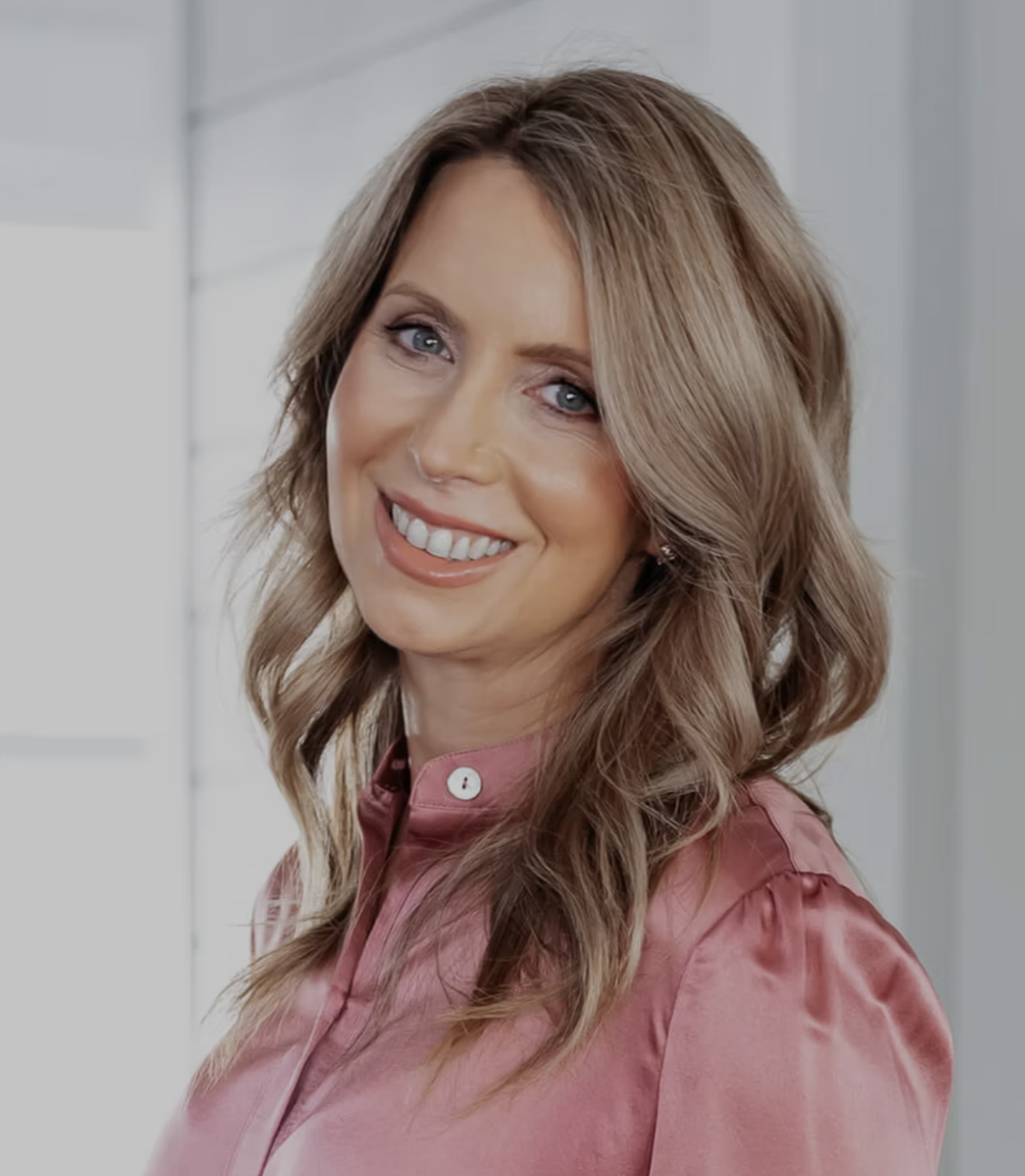
Her work now focuses heavily on metabolic health, nutrition, perimenopause, menopause, and the gut microbiome. Her newest book, The Menopause Gut, explores the relationship between gut health and the changes women experience through this stage of life.
But underneath the individual topics is a broader philosophy:
Women deserve explanations that account for what they are actually experiencing.
And when an answer doesn’t do that, it’s okay to keep looking.https://www.cynthiathurlow.com/