

Imagine you’re building a house from scratch.
You might spend hours choosing countertops. Weeks comparing flooring. You debate cabinet colors, appliances, light fixtures, tile, faucets, windows, and whether you really need that enormous kitchen island.
There are decisions about cost. Decisions about aesthetics. Decisions about energy efficiency, durability, resale value, and building codes.
But somewhere among the hundreds of choices that go into creating a home, there’s one question that doesn’t always get nearly as much attention:
How will this space affect the people living inside it?
That’s the question architect Kelly Grace wants more people to ask.
Known online as the “Non-Toxic Architect,” Kelly approaches architecture through a health-conscious lens, considering not only how a building looks and functions, but also its materials, moisture resilience, ventilation, indoor air quality, and the products eventually brought inside.
In this episode of Never Been Sicker, Michael Rubino and Kelly essentially take us on a tour through the modern home, stopping at bathrooms, floors, walls, HVAC systems, furniture, and even mattresses to examine choices most of us have never thought twice about.
And some of her answers might make you look at your own house a little differently.
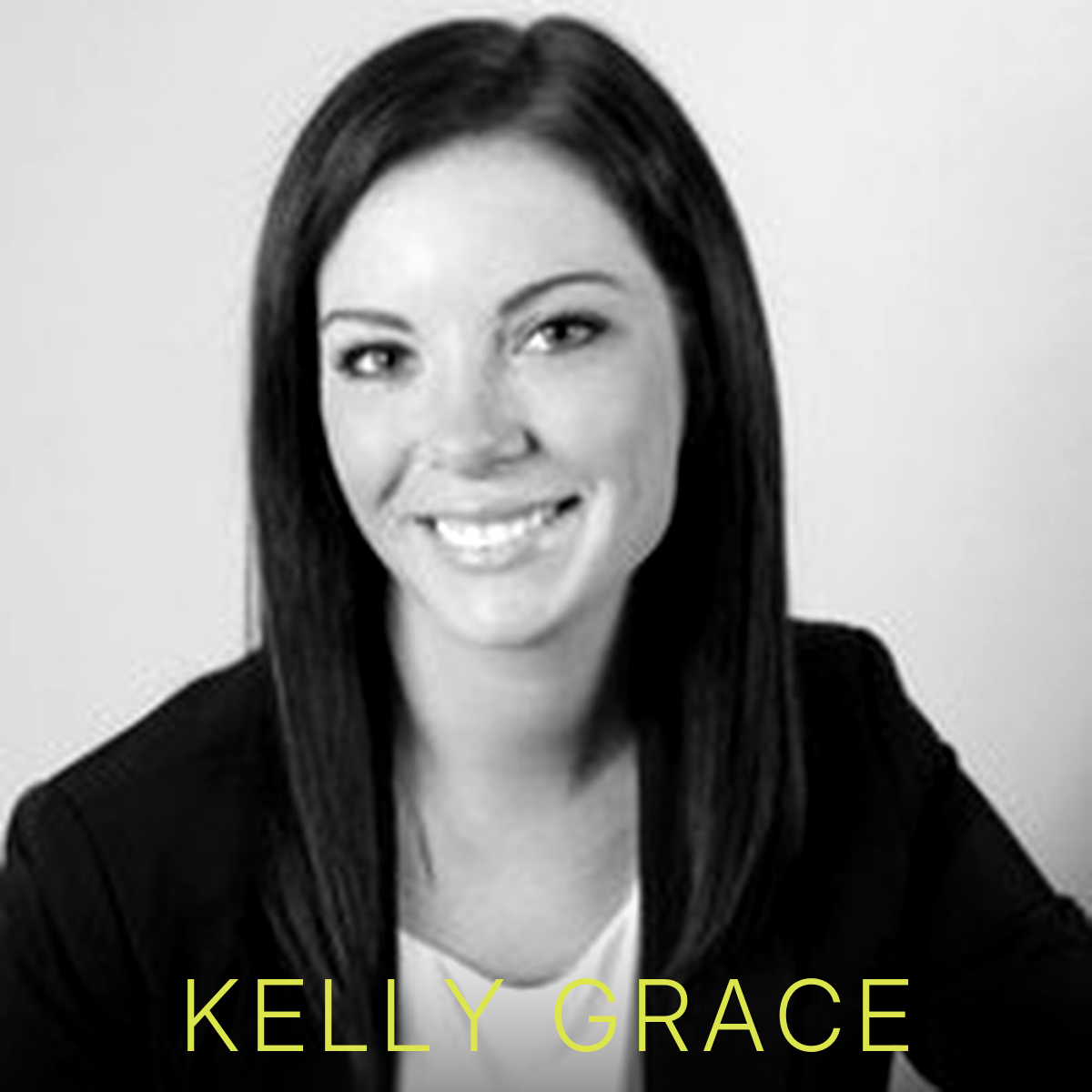
Who You’re Listening To: Kelly Grace
Kelly Grace is an architect and Managing Principal of Travis Price Architects in Washington, D.C. Known online as the “Non-Toxic Architect,” she shares education around healthier material selection, indoor air quality, water filtration, moisture control, EMF mitigation, building biology, and other elements of health-conscious design.
She is also a founding member of the Healthy Building Alliance, an organization working to connect architects, builders, engineers, consultants, homeowners, and product manufacturers around healthier building practices. Her work brings an architect’s perspective to a conversation that has traditionally happened much later, often after an indoor environmental problem has already developed.
What Does a “Non-Toxic Architect” Actually Do?
Architecture has always involved balancing competing priorities.
A building needs to be structurally sound. It has to meet applicable codes. The client has a budget. There are aesthetic goals, energy considerations, construction timelines, site conditions, and countless practical constraints.
Kelly adds another consideration to that list: occupant health.
That can mean asking what materials are made from, considering potential chemical emissions, designing for moisture management, thinking carefully about ventilation, and choosing materials appropriate for the conditions they’ll encounter.
In other words, instead of asking only: “Will this material work here?”
She might also ask: “Is this the material I actually want surrounding someone every day?”
That small shift changes a surprising number of decisions.
A Bathroom Is a Wet Room. Why Don’t We Build It Like One?
Here’s where the conversation gets interesting.
Kelly has strong feelings about drywall in bathrooms.
Bathrooms aren’t occasionally exposed to moisture. Moisture is practically part of the job description.
Showers create humidity. Water splashes. Pipes can leak. Toilets overflow. Condensation forms. Caulk fails. Grout cracks.
Yet moisture-sensitive materials are routinely installed in and around these environments.
Kelly’s argument isn’t simply that drywall is “bad.” It’s that materials should be selected for the conditions they’re actually going to experience.
Think about it another way.
You wouldn’t choose outdoor furniture without considering rain.
So why wouldn’t moisture resilience be one of the first considerations when choosing materials for one of the wettest rooms in a house?
It’s a deceptively simple question, and it opens up a much larger conversation about how we build.
New Construction Has a Moisture Story, Too
There’s another assumption worth retiring:
New home = no mold problems.
A house doesn’t magically appear fully assembled on a sunny afternoon.
It spends months under construction.
Materials are delivered and stored. Walls go up. Roofs are installed. Plumbing is connected. Weather happens.
If building materials become wet during that process and aren’t adequately dried before construction continues, moisture can potentially become trapped within the finished structure.
And even after move-in, new homes can experience plumbing failures, roof leaks, drainage issues, condensation, HVAC problems, or other sources of unwanted moisture.
That’s why preventing mold isn’t just about what happens after someone receives the keys.
It begins during design and construction.
Then We Get to the Floors
Flooring is a perfect example of how complicated the idea of a “healthy material” can become.
Most of us shop for flooring based on a fairly predictable checklist:
- Does it look good?
- How much does it cost?
- Will the dog destroy it?
- Can it survive children treating the living room like an Olympic venue?
All legitimate concerns!
Kelly adds several more.
- What is it made from?
- What products are used to manufacture or install it?
- What happens to it over years of use?
- How does it perform if water gets underneath it?
- How might it influence the indoor environment?
During the episode, Kelly discusses why she’s cautious about luxury vinyl plank, or LVP, despite its enormous popularity.
The larger lesson isn’t that everyone should immediately rip up their flooring.
It’s that material selection deserves more curiosity than we’ve traditionally given it.
Your House Doesn’t End at the Walls
Here’s something I especially liked about Kelly’s perspective.
You could thoughtfully design an entire home… and then fill it with things that change the indoor environment you worked so hard to create.
- Couches.
- Rugs.
- Mattresses.
- Cabinetry.
- Cleaning products.
- Paint.
- Furniture.
- Finishes.
Everything we bring indoors becomes part of the environment we’re creating.
That doesn’t mean every household item is dangerous or that creating a healthy home requires obsessing over every purchase. It does mean that indoor environmental quality isn’t exclusively a construction issue.
The building and everything we put inside it eventually become one environment. That makes furnishing a home part of the healthy-home conversation, too.
There’s a Trade-Off Hiding in Energy Efficiency
Modern buildings have become remarkably good at keeping conditioned air where we want it.
That’s excellent for energy efficiency. But there’s another side to tighter construction.
If less air naturally moves between indoors and outdoors, the building needs an intentional strategy for ventilation.
Think about everything generated inside a normal home on an ordinary Tuesday.
- People breathe.
- Someone cooks dinner.
- The shower runs.
- Cleaning products get used.
- Furniture and building materials may release volatile organic compounds (VOCs).
- Dust and particles accumulate.
- Humidity changes.
The answer isn’t simply “open a window.” Outdoor conditions vary, and properly designed ventilation is more sophisticated than that.
The point is that energy efficiency and indoor air quality have to be considered together. A tight home can be a great home. It simply needs to breathe intentionally.
Built to Code and Built for Health Aren’t Identical Goals
This may be one of the most important distinctions in the episode.
Building codes matter enormously. They establish requirements intended to protect safety, health, structural integrity, sanitation, energy performance, and more.
But meeting applicable code requirements and deliberately optimizing every design decision around occupant health aren’t necessarily the same thing.
Kelly’s work explores what happens when we go beyond asking: “What are we required to do?”
and begin asking: “Given what we know, what would we choose to do?”
- Maybe that’s selecting a more moisture-resilient material for a bathroom.
- Maybe it’s scrutinizing flooring differently.
- Maybe it’s designing better ventilation.
- Maybe it’s protecting materials from water during construction.
There isn’t one universal “healthy home” blueprint. There are simply more questions available to us than many homeowners realize.
So… What If Your House Is Already Built?
This is where the conversation could become overwhelming very quickly.
You look around and realize:
Drywall? Yep. LVP? Yep. Couch of mysterious origin? Sitting on it right now.
Do not panic.
Kelly’s message isn’t that everyone needs to demolish their house and start over.
Most of us aren’t designing a custom home tomorrow. We live in houses and apartments that already exist, filled with materials we didn’t personally select.
But homes change constantly. Eventually, you’ll:
- Repaint a room.
- Replace a mattress.
- Renovate a bathroom.
- Buy a couch.
- Choose new flooring.
- Repair water damage.
- Replace an HVAC system.
Each of those moments is an opportunity to know a little more than you knew the last time.
You don’t have to make every decision perfectly. You can simply make the next one more intentionally.
Maybe the Blueprint Needs Another Question
We ask a lot from our homes.
- Keep us dry.
- Keep us warm.
- Keep us cool.
- Protect us from weather.
- Use less energy.
- Look beautiful.
- Fit our lives.
- Hold our families.
And somehow, accomplish all of that within a budget.
Kelly’s work raises the possibility that another expectation belongs on that list:
Support the health of the people inside.
That doesn’t require creating a perfect, toxin-free bubble. Such a thing isn’t realistic.
It means considering health alongside the other priorities that already shape our homes.
- What happens if this gets wet?
- What’s this made from?
- How will fresh air get inside?
- Where will moisture go?
- What am I bringing into this space?
Those aren’t questions reserved for architects. They’re questions any of us can start asking the next time we build, renovate, repair, furnish, or maintain a home.
Because a healthier home doesn’t have to begin with a perfect house. It can begin with the next decision you make.

Meet Today’s Guest: Kelly Grace
Kelly brings an interesting perspective to the healthy home conversation because she isn’t approaching these issues after something has already gone wrong. As an architect, she has the opportunity to think about them before the first wall goes up.
Her work asks what changes when occupant health becomes part of the design process from the beginning. That means thinking about how materials will perform when exposed to moisture, what they’ll contribute to the indoor environment, how the building will exchange air, and how all of those individual decisions work together once people actually move in.
It’s also what makes this conversation useful even if you’re not planning to build a custom home. Kelly’s perspective can be applied to much smaller decisions, from renovating a bathroom and replacing flooring to choosing furniture or improving ventilation.