
When people suspect mold exposure, they usually do one of two things.
They test their body.
Or they test their home.
According to functional medicine physician Dr. Kurt Woeller, neither tells the full story on its own.
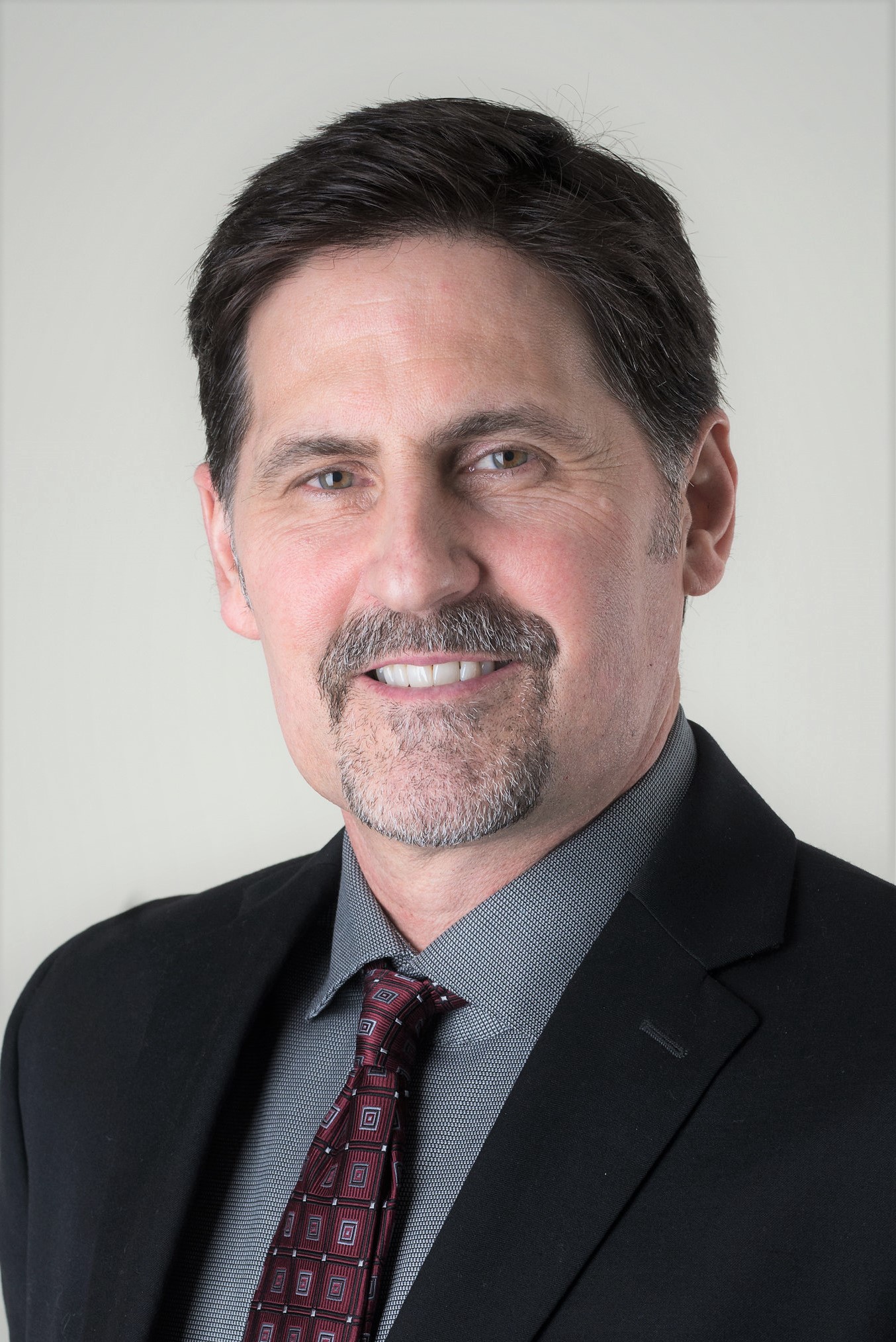
In this episode of Never Been Sicker, Michael Rubino sits down with Dr. Woeller to discuss why environmental exposures, particularly mold and mycotoxins, remain one of the most overlooked factors in healthcare and why combining body testing with home testing can provide a much clearer picture of what’s really happening.
Because while each test answers important questions…
Neither answers all of them.
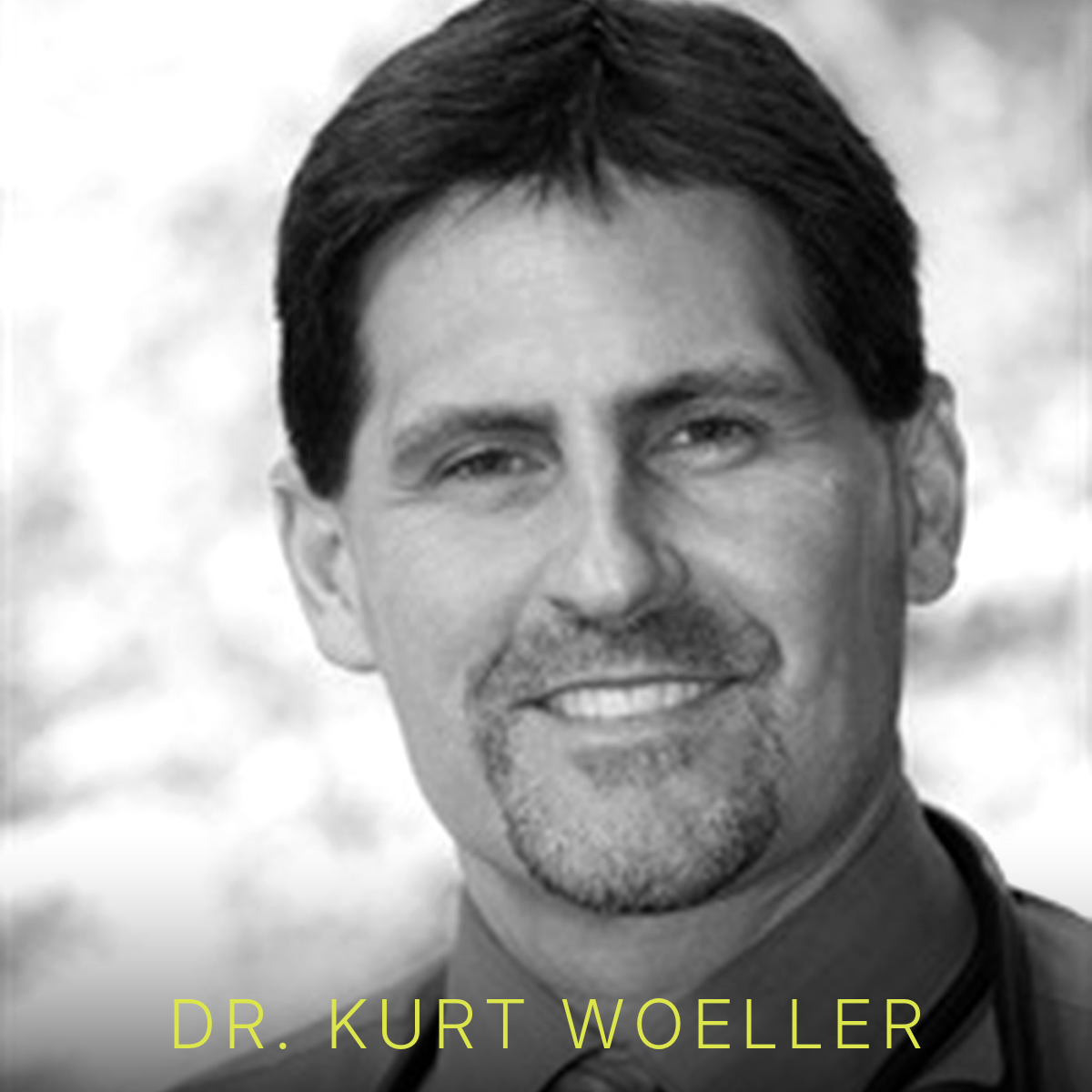
Who You’re Listening To: Dr. Kurt Woeller
Dr. Kurt Woeller is a Doctor of Osteopathic Medicine, integrative and functional medicine physician, and Chief Medical Officer for Mosaic Diagnostics. For nearly three decades, he has focused on helping patients with complex chronic illnesses, autoimmune conditions, gastrointestinal disorders, neurological issues, and illnesses associated with environmental exposures.
He also serves as Education Director for the Integrative Medicine Academy, where he develops educational programs for healthcare professionals around the world.
What Body Testing Can Tell You
If you’ve been dealing with chronic fatigue, brain fog, headaches, digestive issues, poor sleep, or unexplained inflammation, body testing may help reveal whether mold or other environmental exposures are affecting your health.
According to Dr. Woeller, specialized testing can provide valuable insight into how the body is responding.
It may identify:
Mycotoxin exposure
Immune activation
Inflammation
Nutritional imbalances
Other physiological changes that can help guide care
But there’s one important limitation.
Body testing can show that exposure may have occurred.
It doesn’t tell you where that exposure is coming from.
What Home Testing Can Tell You
Home testing answers a different set of questions.
Instead of focusing on the body’s response, it looks at the environment itself.
A thorough investigation may uncover:
Hidden mold growth
Moisture intrusion
Water damage
HVAC contamination
Elevated mold or mycotoxin levels in dust
Other environmental conditions that deserve attention
But home testing has its own limitation.
Finding mold doesn’t automatically tell you how it’s affecting the people living there.
Some individuals may experience significant symptoms.
Others may notice very little.
Looking at the home alone only tells part of the story.
Why The Two Tests Work Better Together
One of the best analogies Dr. Woeller shares during the episode is that relying on only one type of testing is like trying to understand a scene from a single camera angle.
You see part of what’s happening.
But not everything.
Body testing provides one perspective.
Home testing provides another.
Together, they create a much more complete understanding of what’s going on.
That information can help patients and practitioners:
Better understand possible sources of exposure
Prioritize next steps
Make more informed treatment decisions
Avoid unnecessary guesswork
Focus resources where they’re most likely to help
Rather than asking people to choose one approach over the other, Dr. Woeller encourages using both whenever appropriate.
Test. Don’t Guess.
Throughout the conversation, one message keeps resurfacing.
People often spend months, or even years, trying different supplements, medications, elimination diets, detox protocols, and therapies before ever investigating their environment.
Others discover mold in their home and immediately assume it’s responsible for every symptom they’re experiencing.
Neither approach tells the whole story.
Dr. Woeller emphasizes the importance of collecting meaningful information before jumping to conclusions.
Testing provides data.
Data helps guide decisions.
And informed decisions often save both time and money.
Hidden Mold Doesn’t Always Look Like Mold
Another major takeaway from the episode is that mold exposure isn’t always obvious.
Many homes with significant contamination show no visible mold at all.
Instead, moisture may be hiding:
Behind drywall
Beneath flooring
Around windows
Inside HVAC systems
Under sinks
Inside crawlspaces and attics
Meanwhile, the people living in those homes may gradually develop symptoms like:
Fatigue
Brain fog
Poor sleep
Headaches
Digestive issues
Food sensitivities
Chemical sensitivities
Difficulty concentrating
Because these symptoms often develop slowly, many people simply begin accepting them as part of everyday life.
Why Ongoing Exposure Matters
One point Michael and Dr. Woeller return to repeatedly is that recovery becomes much more difficult if the exposure continues.
Supporting the body is important.
But if someone continues living in an environment that places ongoing stress on the immune system, progress may be limited.
That’s why environmental investigation isn’t separate from healthcare.
For many people, it’s an important part of understanding the bigger picture.
A Different Way To Think About Chronic Symptoms
One of the most refreshing aspects of this conversation is that it isn’t about creating fear.
It’s about creating clarity.
Dr. Woeller isn’t suggesting every chronic symptom is caused by mold.
Nor is he suggesting environmental testing replaces medical care.
Instead, he encourages people to ask better questions when symptoms don’t improve despite doing “all the right things.”
Sometimes the missing piece isn’t another treatment.
It’s another source of information.
Final Thoughts
Perhaps the biggest takeaway from this episode is this:
You don’t have to choose between testing your body and testing your home.
They answer different questions.
And together, they often provide a much clearer understanding of what you’re dealing with.
Because lasting progress rarely comes from guessing.
It comes from gathering the right information, looking at the complete picture, and making informed decisions from there.
Whether you’re navigating mold exposure, unexplained chronic symptoms, or simply trying to better understand the relationship between your environment and your health, Dr. Woeller offers a practical framework that encourages curiosity over assumptions.
Test the body.
Test the home.
Then connect the dots.

Meet Today’s Guest: Dr. Michael Dr. Biamonte
What makes Dr. Woeller’s perspective especially valuable is his ability to connect environmental health with clinical medicine. Throughout his career, he has worked with patients whose symptoms couldn’t be fully explained through conventional testing alone, leading him to explore how specialized laboratory testing and environmental assessment can work together to provide a more complete understanding of health.
His approach isn’t about replacing traditional medicine. It’s about expanding the conversation to include factors that are often overlooked.
You can follow Dr. Woeller for ongoing education articles and videos through his Substack at https://drwoeller.substack.com/ and his YouTube channel for Integrative Medicine Academy - https://www.youtube.com/@integrativemedicineacademy.
Finally, listen to Dr. Woeller’s latest health professional interviews through his Functional Medicine Doc Talk podcast – https://functionalmedicinedoctalk.com.