
If two people are living in the same mold-contaminated home, why does one become chronically ill while the other seems relatively unaffected?
It’s one of the biggest questions surrounding mold exposure.
And according to Dr. Michael Biamonte, the answer may have as much to do with the condition of the body as it does with the condition of the building.
In a recent episode of Never Been Sicker, Michael Rubino sat down with Dr. Biamonte to discuss why mold recovery often requires looking beyond mold itself. While improving the home environment remains essential, Dr. Biamonte believes the body’s internal environment deserves just as much attention.
The result is a conversation that goes far beyond mold remediation and explores the complex relationship between gut health, immune function, chronic inflammation, environmental exposures, and long-term wellness.
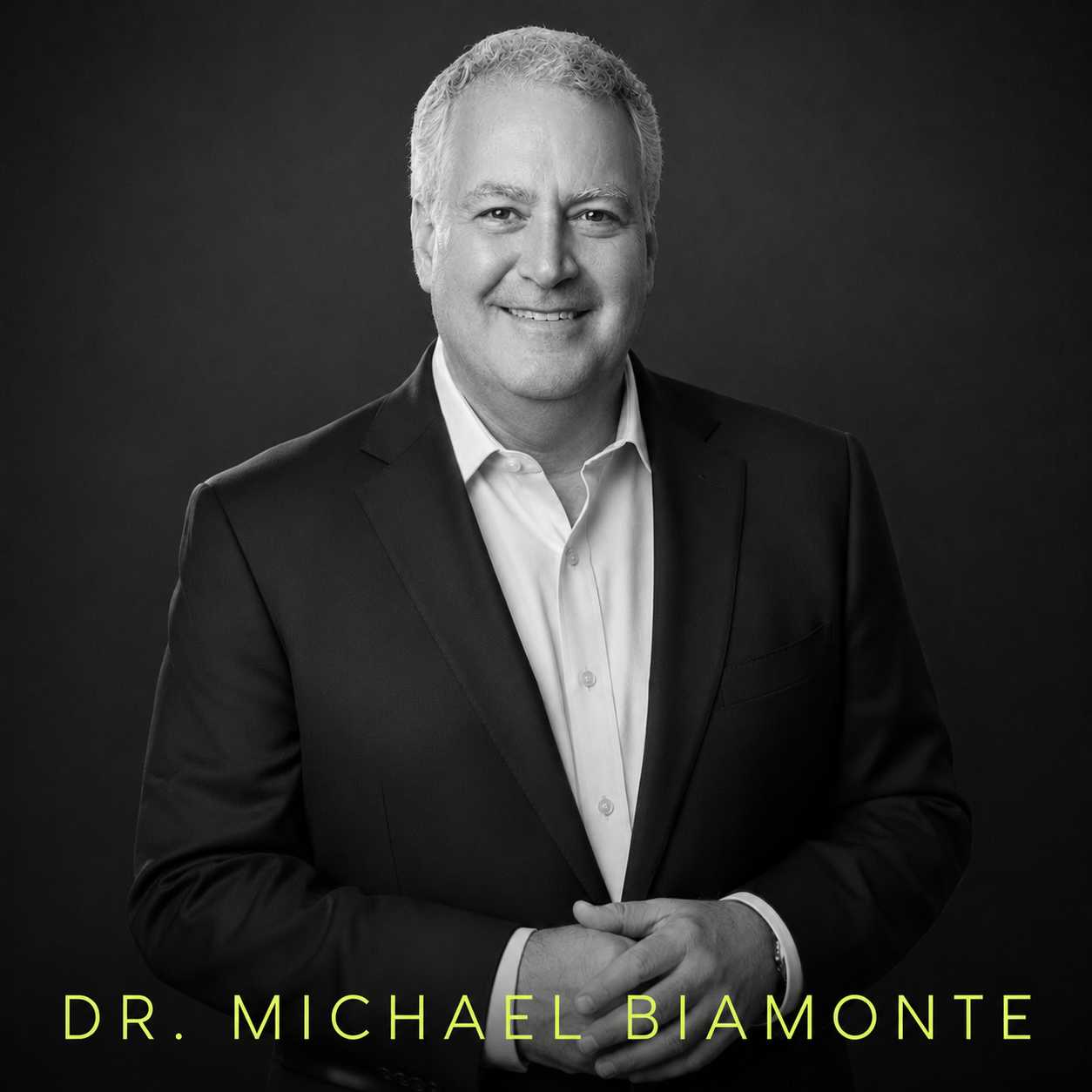
Who You’re Listening To: Dr. Michael Biamonte
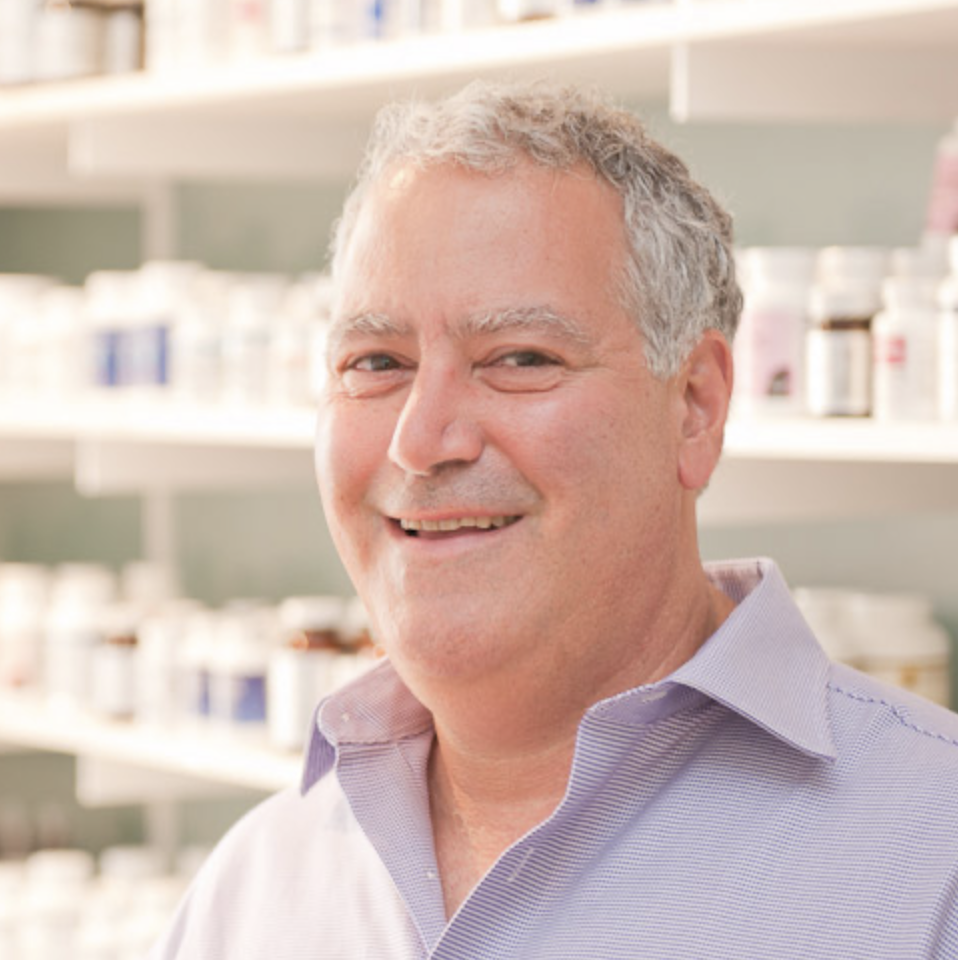
Dr. Michael Biamonte is the founder of the Biamonte Center for Clinical Nutrition and has spent more than four decades helping patients navigate chronic illness, gut dysfunction, environmental toxicity, and nutritional imbalances.
He is a Doctor of Nutripathy, a New York State Certified Clinical Nutritionist, and co-creator of BioCybernetics, an analytical software platform designed to identify physiological imbalances through laboratory analysis. His work emphasizes personalized nutrition and identifying the underlying factors contributing to chronic illness.
Why Doesn’t Everyone Get Sick?
One of the biggest misconceptions about mold exposure is that everyone responds the same way.
They don’t.
- Some people experience significant symptoms after living in a water-damaged building.
- Others develop only mild symptoms.
- Some may not notice any obvious health changes at all.
According to Dr. Biamonte, the difference isn’t always explained by the amount of mold alone.
The body’s ability to respond matters, too.
Throughout the episode, he explains how immune health, gut function, nutritional status, and cumulative toxic burden may all influence how someone responds to environmental stressors.
Rather than asking only, “How much mold is in the home?” he encourages people to also ask:
“What condition is the body in before that exposure even begins?”
The Gut May Be A Bigger Part Of The Story Than People Realize
One of the central themes throughout the conversation is gut health.
Dr. Biamonte explains that many patients struggling with chronic illness also show signs of significant gut dysbiosis, meaning the balance of bacteria and fungi within the digestive tract has been disrupted.
When beneficial bacteria decline, organisms such as Candida may become more dominant.
According to Dr. Biamonte, that imbalance can influence digestion, immune function, inflammation, and the body’s ability to respond to environmental challenges.
Rather than viewing gut health and mold illness as separate conversations, he sees them as deeply connected.
The gut doesn’t simply digest food.
It plays a central role in regulating the immune system.
And when that system becomes disrupted, the body may become more reactive to a variety of stressors.
Understanding Biofilms
Another fascinating topic explored during the episode is biofilms.
Biofilms are protective structures created by microorganisms that allow them to survive in difficult environments.
Dr. Biamonte explains that fungi and other microbes may use these protective layers to shield themselves from both the immune system and treatment approaches.
While biofilms are a complex area of research, they represent another example of why recovery from chronic illness is rarely as simple as eliminating one exposure or taking one supplement.
Healing often requires addressing multiple systems working together.
Mold Recovery Starts With The Environment
Even though much of the conversation focuses on the body, both Michael and Dr. Biamonte repeatedly emphasize something important:
Recovery becomes much more difficult if exposure continues.
No amount of supplementation can fully compensate for living in an environment that continues placing stress on the body.
That’s why environmental investigation and remediation remain foundational.
Before asking the body to heal, it’s important to reduce the factors that may be preventing healing in the first place.
It’s not about choosing between supporting the body or improving the home.
It’s about recognizing that both matter.
Chronic Illness Is Rarely One Thing
One reason this episode is so interesting is that it avoids looking for a single explanation.
Instead, Dr. Biamonte describes how multiple factors may interact over time.
Among the topics discussed are:
Candida overgrowth
- intestinal permeability (often called leaky gut)
- Mast Cell Activation Syndrome (MCAS)
- chronic inflammation
- heavy metals
- nutrient deficiencies
- pharmaceutical side effects
- parasites
- personalized nutrition
- environmental toxicants
Each person brings a different history.
Different genetics.
Different exposures.
Different stressors.
Different lifestyles.
That’s why two people living under the same roof may experience very different outcomes.
Why The Home Still Matters
Michael shares observations from working with thousands of families navigating water-damaged buildings.
One pattern continues to emerge.
People often spend years focusing on supplements, detox protocols, medications, or specialized treatments while unknowingly remaining exposed to the very thing that continues triggering their symptoms.
Dr. Biamonte agrees that environmental improvement isn’t optional.
It’s foundational.
Removing ongoing exposure creates the conditions that allow everything else to work more effectively.
Without that step, progress may become much harder to achieve.
Moving Beyond Symptom Management
Throughout the discussion, another theme continues surfacing.
Modern healthcare often becomes centered around managing symptoms.
Dr. Biamonte believes many patients benefit from asking a different question.
Instead of simply asking, “How do I feel better?”
He encourages asking, “Why did my body become vulnerable in the first place?”
That shift doesn’t replace conventional care.
Instead, it expands the conversation.
It creates space to explore nutrition, gut health, stress, environmental exposures, lifestyle, and other factors that may all influence overall health.
Final Thoughts
Perhaps the biggest lesson from this conversation is that healing is rarely about one thing.
It’s not just the mold.
It’s not just the gut.
It’s not just nutrition.
It’s not just the environment.
Health is influenced by countless systems working together.
And when one part of that system becomes overwhelmed, others often follow.
For anyone navigating mold illness, chronic inflammation, autoimmune conditions, or unexplained symptoms, this episode offers a thoughtful reminder that lasting progress often begins by looking at the whole picture rather than searching for a single answer.

Meet Today’s Guest: Dr. Michael Dr. Biamonte
What makes Dr. Biamonte’s perspective unique is his extensive clinical experience working with complex chronic illness cases. Throughout his career, he has observed how gut health, immune function, toxic burden, nutrition, and environmental exposures often intersect.
Rather than focusing on a single diagnosis, his approach encourages patients to view health through a broader lens, recognizing that meaningful recovery often involves improving both the body’s internal environment and the world around it.