
When people suspect their home may be making them sick, they usually start with an inspection.
And when that inspection comes back clean?
Most assume they can cross the home off the list.
But what happens when symptoms continue?
What happens when the headaches, fatigue, respiratory issues, neurological symptoms, or unexplained health challenges don’t go away?
According to mold investigator Josh Rachal, that’s where many families find themselves.
In a recent episode of Never Been Sicker, Michael Rubino sat down with Josh to discuss what he believes is one of the biggest problems in the indoor air quality industry:
Too many people are being told their homes are fine when the real problem has never been found.
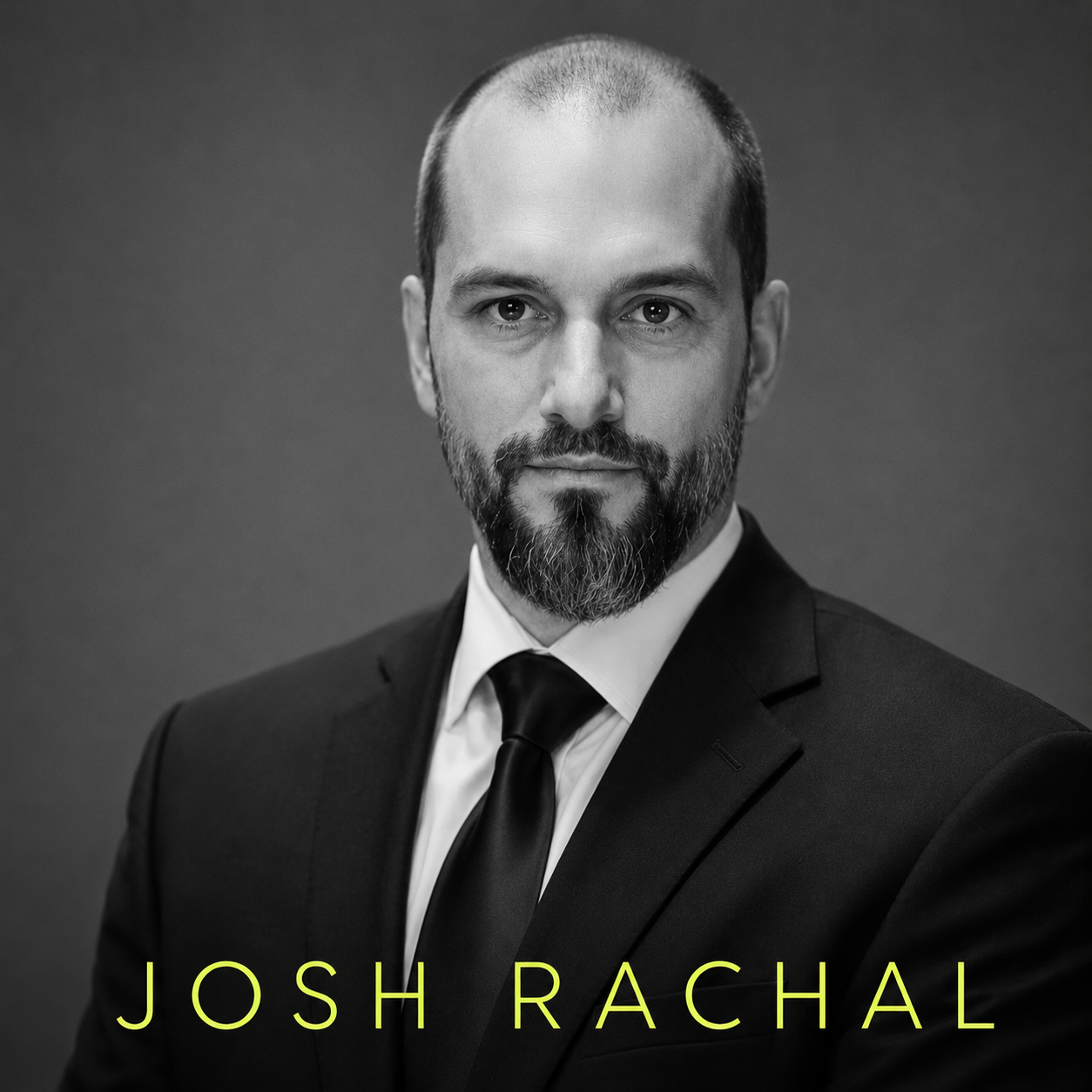
Who You’re Listening To: Josh Rachal
Josh Rachal is a mold investigator, consultant, and owner of Texas Mold Inspectors. He has spent years investigating complex indoor environmental issues across the country, helping homeowners identify hidden moisture problems, mold contamination, HVAC-related concerns, and building defects that may be impacting indoor air quality.
His work focuses on root-cause investigation, building science, and helping families understand the environmental factors that may be contributing to ongoing concerns inside the home.
When You’re The Fourth Inspector Called In
One of the most eye-opening parts of the conversation is hearing how often Josh gets involved after multiple inspections have already taken place.
In some cases, he’s the third, fourth, or even fifth professional brought in to evaluate a property.
The family has already spent money.
They’ve already been told everything looks normal.
They’ve already been reassured.
And yet they’re still searching for answers.
When Josh begins investigating, he often discovers hidden moisture problems, mold growth, HVAC contamination, or building defects that previous inspections never identified.
The question becomes: How does that happen?
Why “Normal” Test Results Don’t Always Tell The Full Story
A major theme throughout the episode is the industry’s reliance on air sampling.
Josh isn’t opposed to testing.
But he believes many investigations stop there.
The challenge is that mold doesn’t always conveniently release contamination into the air at the exact moment a sample is collected.
Contamination can exist:
behind walls
- beneath flooring
- inside HVAC systems
- within ceiling cavities
- inside insulation
- around hidden moisture sources
In those situations, a single air sample may fail to reflect what’s actually happening inside the building.
According to Josh, that’s where false reassurance can become dangerous.
Because a report may say everything looks normal while the underlying problem remains untouched.
Mold Is Rarely The First Problem
One idea Josh returns to repeatedly throughout the conversation is this:
Mold is often the symptom. Moisture is the problem.
Mold doesn’t appear without a reason.
Somewhere, moisture found a way into the building.
That source may be:
a plumbing leak
- a roof leak
- poor drainage
- HVAC design flaws
- construction defects
- humidity issues
- water intrusion
Finding mold is important.
But finding why the mold is there is what ultimately creates a lasting solution.
Without addressing the moisture source, the cycle often continues.
The Military Housing Conversation
One of the most powerful parts of the episode centers around Josh’s work investigating military housing communities.
During these investigations, he describes finding significant moisture problems, building defects, and mold contamination in homes occupied by military families.
Many of the families he encountered were already dealing with serious health concerns.
Some had spent years searching for answers.
Others had repeatedly reported housing concerns only to be told there was no problem.
For Josh, these cases highlight a larger issue:
When investigations fail to identify environmental problems, families are often left carrying the burden.
Not just financially. But physically and emotionally as well.
The Real Cost Of Missing The Problem
One of the most memorable ideas from this conversation is something many homeowners don’t consider:
The most expensive inspection may be the one that misses the problem.
A missed moisture issue can continue damaging a home for years.
A missed contamination source can delay meaningful action.
And a missed environmental problem can send families down countless other paths in search of answers.
- Medical appointments.
- Specialists.
- Testing.
- Treatments.
- More testing.
All while the root cause remains hidden behind a wall, beneath a floor, or inside an HVAC system.
Why Building Science Matters
Throughout the episode, Josh emphasizes that effective investigations require more than collecting samples.
They require understanding how buildings actually function.
- Moisture movement.
- Airflow.
- Pressure dynamics.
- Construction methods.
- HVAC performance.
- Water management.
Because buildings are systems.
And identifying the root cause often requires understanding how those systems interact.
According to Josh, finding the answer isn’t about proving mold exists.
It’s about understanding why it exists.
The Need For Better Accountability
The conversation also explores broader industry concerns.
Josh believes stronger training requirements, better oversight, improved licensing standards, and more comprehensive investigations could help improve outcomes for homeowners.
His concern isn’t simply that mistakes happen.
It’s that many consumers don’t realize how much variability exists between inspectors, methodologies, and investigative approaches.
Two inspections can produce very different conclusions depending on what is evaluated and what is overlooked.
And for families searching for answers, that difference can be life-changing.
Final Thoughts
At its core, this episode is about asking better questions.
Not every environmental problem is obvious.
Not every moisture issue is visible.
And not every inspection tells the full story.
If you’ve been told everything looks fine but something still doesn’t feel right, Josh’s message is simple:
Keep asking questions.
Because when the root cause is finally identified, real progress becomes possible. And sometimes the difference between staying stuck and moving forward is finding the person willing to look a little deeper.

Meet Today’s Guest: Josh Rachal
What makes Josh’s perspective unique is his willingness to challenge common assumptions within the indoor air quality industry.
Throughout his career, he has worked on some of the most difficult cases, including homes where multiple inspections failed to identify significant contamination and military housing communities where families reported ongoing health concerns despite being told their homes were safe.
His approach centers on a simple belief:
Finding the source of the problem matters more than checking a box on a report.
Because meaningful answers begin with meaningful investigations.