

Most people think orthodontics is about one thing:
Straight teeth.
A beautiful smile.
Perfect alignment.
But what if some of the most common dental problems have very little to do with your teeth at all?
In a recent episode of Never Been Sicker, Michael Rubino sat down with functional orthodontist and sleep dentist Dr. Azadeh Afzali to discuss the surprising connection between oral health, airway health, sleep, TMJ, gum disease, headaches, and overall wellness.
The conversation challenges a common assumption:
Straight teeth do not automatically mean healthy teeth.
And in many cases, the symptoms showing up in the mouth may actually be pointing to something much bigger.
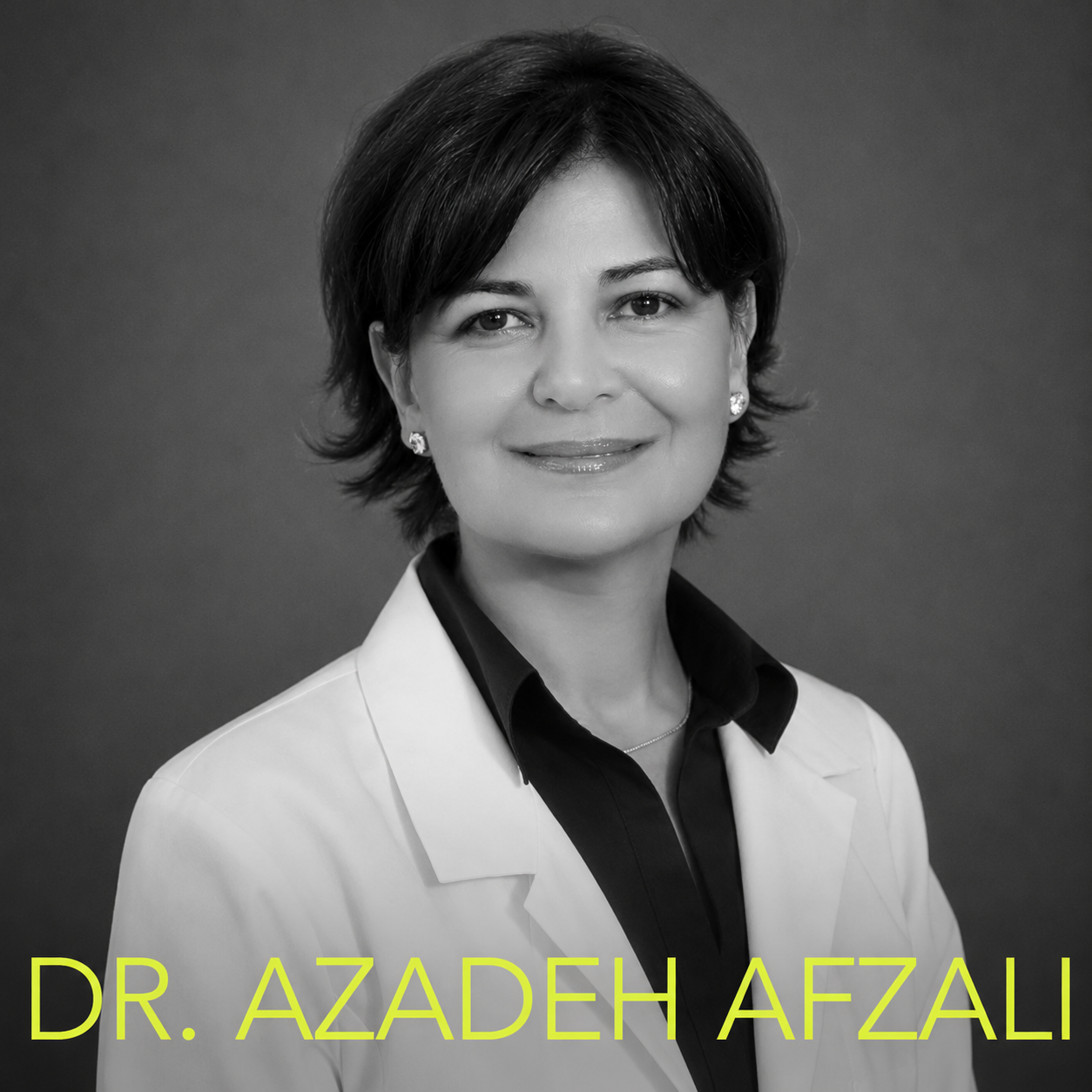
Who You’re Listening To: Dr. Azadeh Afzali
Dr. Azadeh Afzali is a functional orthodontist, sleep dentist, educator, and creator of the VitalOrtho™ protocol.
After years of seeing patients told that extractions, implants, or jaw surgery were their only options, she developed a non-surgical approach focused on restoring natural bite function, supporting TMJ health, improving airway flow, and promoting healthy facial development.
Her work combines orthodontics, airway health, sleep dentistry, and whole-body wellness to help patients address root causes rather than simply manage symptoms.
The Problem With Treating Symptoms
One of the biggest themes throughout the episode is the difference between treating symptoms and understanding why they developed in the first place.
For example:
A damaged tooth gets a root canal.
A missing tooth gets replaced with an implant.
Gum disease gets treated with procedures designed to control infection.
While these interventions can absolutely be necessary, Dr. Afzali encourages patients and practitioners to ask a deeper question:
Why did the problem develop in the first place?
Because if the underlying issue remains unresolved, new problems often continue to appear.
This root-cause approach is what led Dr. Afzali toward functional orthodontics, a discipline that looks beyond the teeth themselves and considers how the entire system is working together.
What If Grinding Your Teeth Isn’t Really About Your Teeth?
Many people think teeth grinding and clenching are simply dental problems.
Dr. Afzali sees them differently.
According to her, grinding and clenching can sometimes be signs that the body is struggling to maintain healthy airflow during sleep.
When breathing becomes restricted, the body often compensates.
The jaw shifts. Muscles activate. Teeth grind.
The goal isn’t to damage the teeth.
The goal is survival.
The body is trying to protect airflow and maintain oxygen.
This perspective helps explain why many people who experience:
teeth grinding
- jaw tension
- TMJ symptoms
- morning headaches
- facial pain
may also be dealing with airway or sleep-related challenges.
The Hidden Connection Between Your Jaw And Your Airway
One of the most fascinating parts of the conversation centers around jaw development and airway health.
Dr. Afzali explains that the structure of the mouth and face can influence how effectively someone breathes.
Factors such as:
narrow palate development
- poor tongue posture
- bottle feeding
- pacifier use
- restricted jaw growth
may affect the amount of space available for healthy breathing.
Over time, this can influence:
- sleep quality
- airflow
- oxygen delivery
- energy levels
- recovery
Many people never realize that issues involving sleep, fatigue, headaches, and even behavior can sometimes trace back to structural problems within the mouth and airway.
Why TMJ Isn’t Just A Jaw Problem
TMJ disorders are often viewed as isolated jaw conditions.
But Dr. Afzali explains that the jaw joint is deeply connected to the rest of the body.
When the bite is not functioning properly, excessive stress may be placed on:
- the jaw joints
- surrounding muscles
- supporting ligaments
- the teeth themselves
Over time, this can contribute to:
- headaches
- facial pain
- jaw clicking
- neck tension
- chronic discomfort
Instead of simply managing symptoms, functional orthodontics looks at how restoring balance within the bite may help reduce stress throughout the system.
The Story That Changed Everything
One of the most powerful moments in the episode comes from Dr. Afzali’s personal story.
Her son had undergone years of orthodontic treatment when he was ultimately told he needed double jaw surgery.
For many families, that would have felt like the end of the conversation.
For Dr. Afzali, it became the beginning.
Unwilling to accept that surgery was the only option, she began searching for alternatives.
Through years of study, innovation, and clinical work, she developed techniques that helped her son achieve a healthy, functional bite without surgery.
His transformation became the foundation for what would eventually become her VitalOrtho™ approach.
And it completely changed how she viewed orthodontics.
The Mouth Is Not Separate From The Body
Throughout the episode, Dr. Afzali repeatedly returns to one core idea:
The body functions as an ecosystem.
- Sleep affects healing.
- Breathing affects sleep.
- Jaw structure affects breathing.
- Bite function affects muscles and joints.
- Oral health affects overall health.
When practitioners focus only on symptoms, these connections can be missed.
But when we zoom out and look at how systems interact, entirely new solutions become possible.
Final Thoughts
One of the biggest takeaways from this conversation is that oral health may be far more connected to overall health than most people realize.
Someone can have perfectly straight teeth and still struggle with:
headaches
TMJ pain
grinding
clenching
poor sleep
airway restriction
chronic discomfort
Because the goal should not simply be straight teeth.
The goal should be healthy function.
Healthy breathing. Healthy sleep. Healthy joints.
And a healthier body overall.
Sometimes the symptoms showing up in the mouth are not the real problem.
They’re the clue pointing us toward it.

Meet Today’s Guest: Dr. Azadeh Afzali
What makes Dr. Afzali’s perspective unique is that it comes from both professional expertise and personal experience.
As a dentist, she spent years questioning why so many patients continued to experience dysfunction despite receiving conventional treatment.
As a mother, she watched her own son face the possibility of double jaw surgery and became determined to find another path.
That experience ultimately shaped her philosophy:
Health should not be built around compromising function for appearance. It should support breathing, sleep, comfort, longevity, and overall wellbeing.
Today, her work focuses on helping patients understand that oral health is about far more than a beautiful smile. It’s about creating a foundation for health throughout the entire body.