
We are living in a time where medicine is more advanced than ever.
There are more prescriptions, more specialists, more technology, and more information available than previous generations could have imagined.
And yet…
More people seem exhausted. Inflamed. Chronically uncomfortable. Stuck.
Fatigue feels normal. Anxiety feels common. Chronic symptoms are increasingly expected. Many people bounce from provider to provider, prescription to prescription, hoping the next answer will finally explain why they still do not feel well.
So what is being missed?
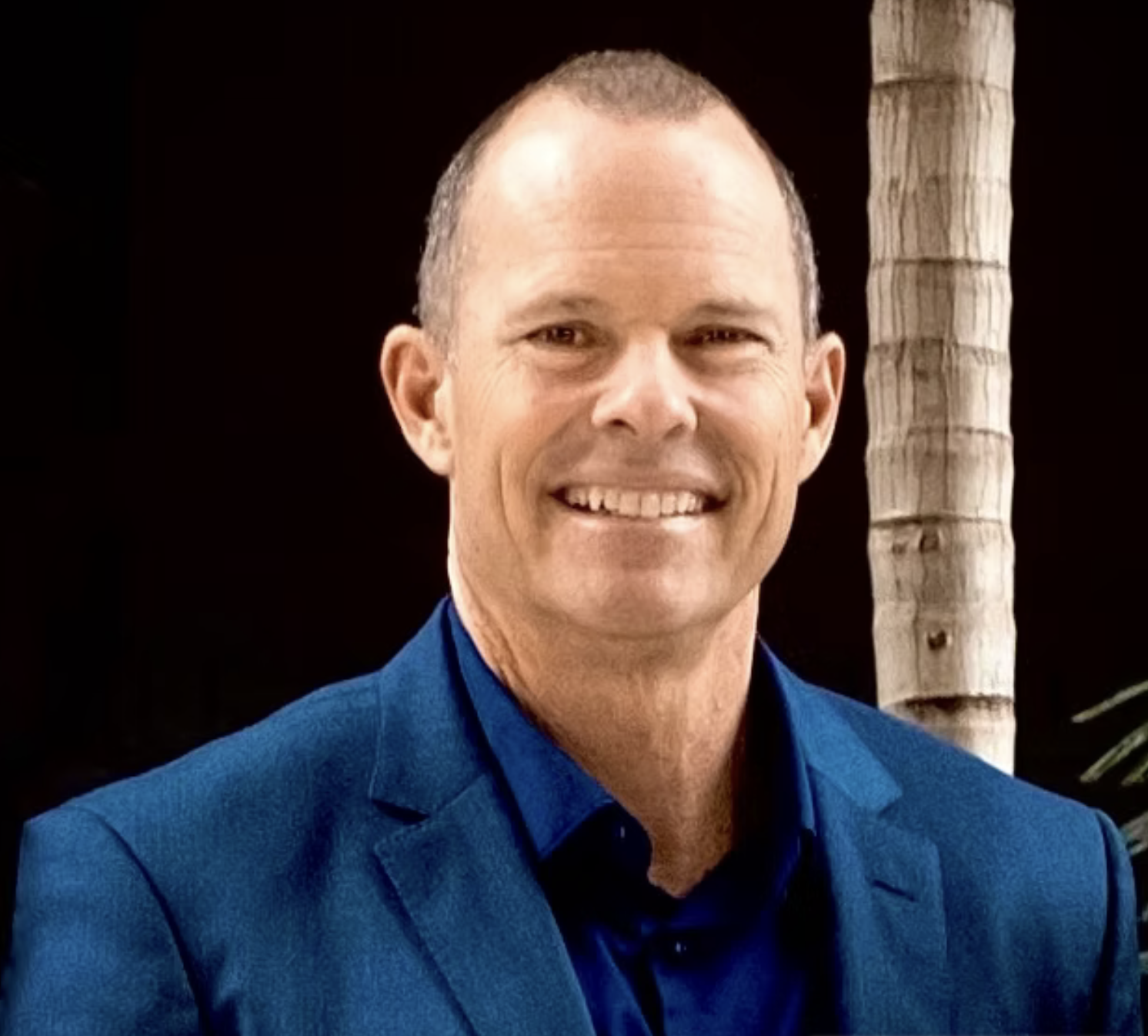
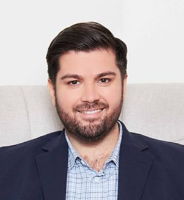
That is exactly the conversation Michael Rubino explored with Dr. Phil Straw on a recent episode of Never Been Sicker.
At the center of the discussion was a growing realization many people are starting to have:
Treating symptoms alone may not be enough.
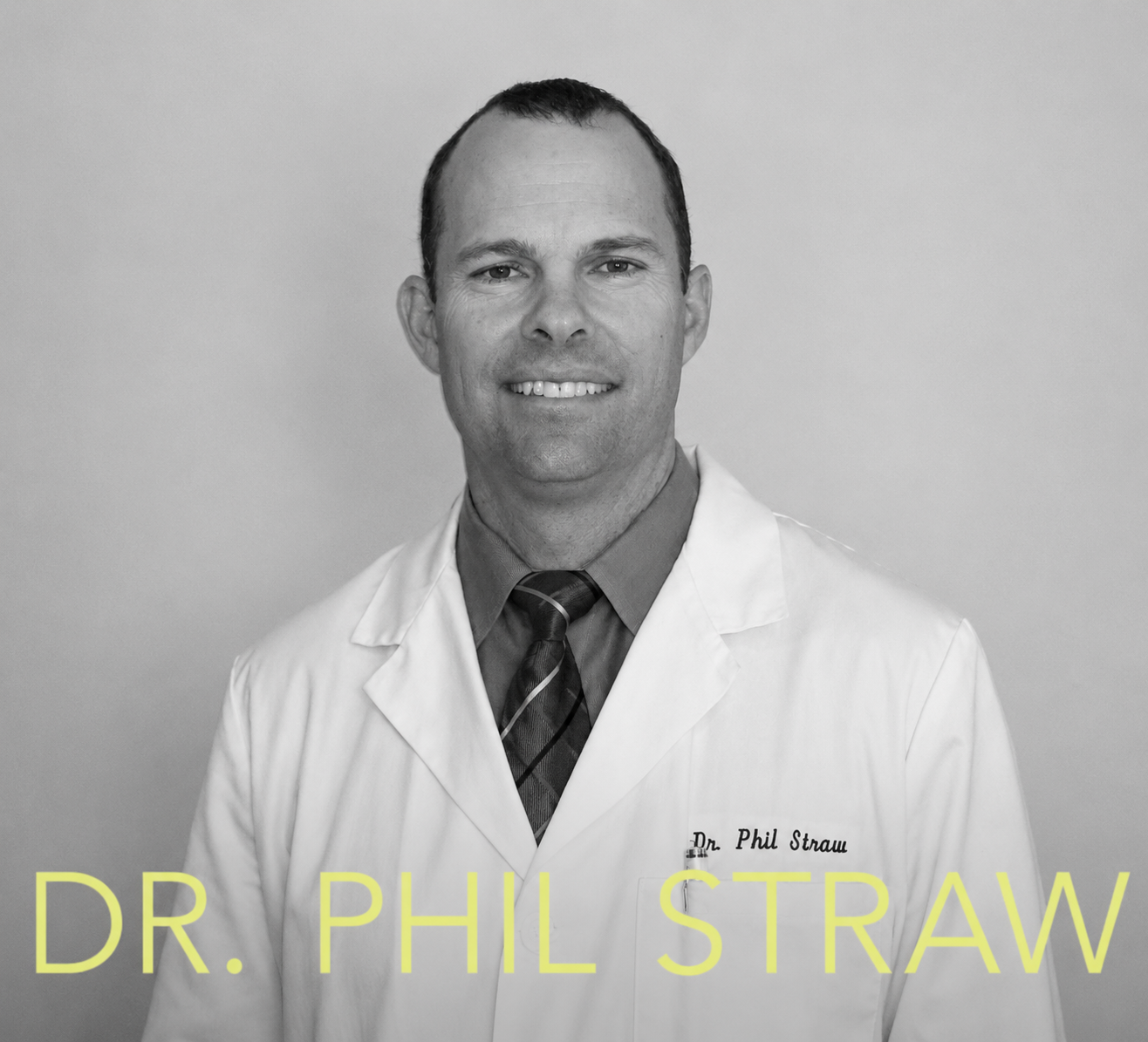
Who You’re Listening To: Dr. Straw
Dr. Phil Straw is a clinic founder, neuropathy authority, and co-founder of Dr Biz Boom. Since 2010, he has helped pioneer scalable neuropathy programs designed to help patients find lasting relief while expanding access to root-cause-focused care.
Over the past 13+ years, Dr. Straw has launched and operated multiple successful clinics, helping more than 10,000 patients while building systems that combine clinical care with patient education and long-term health strategies.
His work focuses heavily on neuropathy, chronic inflammation, metabolic dysfunction, and helping patients understand the deeper factors influencing long-term health.
The “Pill for Every Ill” Problem
One of the strongest themes throughout the episode was the idea that modern healthcare has increasingly shifted toward symptom management instead of deeper investigation.
Can’t sleep?
Take something.
Anxious?
Take something.
Pain?
Take something.
Fatigued?
Take something.
While medications absolutely have an important place, Dr. Straw argues that many people are never encouraged to ask the bigger question:
Why is the body struggling in the first place?
Because if the underlying cause remains untouched, people can end up managing symptoms for years while the deeper issue continues building underneath the surface.
That frustration is something many listeners will likely recognize.
Especially those who feel like they have tried everything but still do not feel like themselves.
Why More People Feel Stuck in Their Health
Another major topic in the episode was the dramatic rise in chronic illness.
Despite enormous advancements in medicine and technology, rates of chronic inflammation, autoimmune disease, neurological symptoms, fatigue, metabolic dysfunction, and long-term health issues continue climbing.
According to Dr. Straw, this is rarely about one single factor.
Instead, health is often shaped by the accumulation of multiple stressors over time.
Things like:
chronic inflammation
poor metabolic health
processed food
sedentary lifestyles
chronic stress
poor sleep
environmental toxicants
indoor air quality
mold exposure
Eventually, the body reaches a point where it struggles to compensate.
And when that happens, symptoms begin surfacing across multiple systems.
The Missing Variable: Environment
One of the strongest crossover moments in the episode focused on something Michael sees every day:
The role the environment may play in chronic illness.
For years, many people experiencing symptoms like fatigue, brain fog, inflammation, anxiety, neurological sensitivity, or autoimmune flare-ups were rarely asked questions about where they lived or what they were exposed to.
But according to both Michael and Dr. Straw, that conversation may matter far more than most people realize.
The episode explores how environmental stressors, particularly mold exposure and poor indoor air quality, can create additional inflammatory burden on the body.
For some people, that burden may contribute to worsening symptoms or make recovery feel significantly harder.
This does not mean environment is always the entire answer. But it may be an important piece of the bigger picture.
What Neuropathy Actually Is
A major focus of Dr. Straw’s work is neuropathy, a condition involving nerve damage that often starts subtly.
Many people first notice:
tingling
burning sensations
numbness
pain in the hands or feet
balance problems
Over time, neuropathy can progress into mobility issues, weakness, bladder dysfunction, sleep disruption, and reduced independence.
What stood out in the conversation was Dr. Straw’s perspective that neuropathy is often treated as something people simply have to live with.
But according to him, there are often deeper contributors worth exploring.
Things like chronic inflammation, autoimmune issues, circulation problems, poor metabolic health, toxicant exposure, and environmental stressors may all play a role in nerve dysfunction.
Again, the theme comes back to asking better questions.
Your Genes Are Not Your Destiny
One of the most memorable moments in the episode came when Dr. Straw discussed genetics.
Many people grow up believing:
“My parents had it, so I’ll probably get it too.”
But Dr. Straw challenges that assumption.
While genetics may create vulnerability, environment and lifestyle often influence whether those risks become reality.
As he explains:
“Genes load the gun, but environment pulls the trigger.”
That idea can feel incredibly empowering.
Because it shifts the conversation from inevitability to possibility.
The Bigger Healthcare Conversation
The episode also touches on a growing frustration many patients share:
Feeling rushed, dismissed, or unheard.
Dr. Straw explains that many healthcare providers are limited by insurance systems, short appointment times, and standardized treatment models that leave little room for education or root-cause investigation.
Michael draws a parallel to the mold world, where cosmetic fixes are often prioritized over actually addressing the underlying problem.
Different industries.
Same challenge.
If the deeper issue never gets addressed, people may continue struggling despite temporary relief.
The Takeaway
One of the biggest messages from this conversation is simple:
The goal should not just be managing symptoms.
The goal should be understanding what the body is reacting to.
For some people, that may involve improving sleep.
For others, it may mean addressing inflammation, movement, food quality, stress, or environmental exposure.
Often, it is not one thing. It is the accumulation of many things.
And according to Dr. Straw, healing starts when people stop asking:
“What pill do I need?”
and start asking:
“Why is this happening in the first place?”

Meet Today’s Guest: Dr. Phil Straw
What makes Dr. Straw’s perspective unique is his ability to bridge two worlds that are rarely discussed together:
Clinical medicine and systems thinking.
Through years of working with chronic illness patients, particularly those dealing with neuropathy and unresolved symptoms, he began noticing a pattern:
Many people were receiving symptom-based treatment without ever fully understanding why their body was struggling in the first place.
That realization pushed him deeper into root-cause conversations around inflammation, environment, metabolism, nervous system health, and lifestyle medicine.
Today, his work focuses on helping both practitioners and patients think differently about long-term healing and sustainable health outcomes.
bedrockbioscience.com