
When something feels off in your home, most people follow the same path. They schedule an inspection, run a test, and wait for answers.
And when the results come back “normal,” there’s often a sense of relief.
But for some people, that relief doesn’t last. Because even with a clean report in hand, the symptoms don’t go away. The fatigue, brain fog, or general sense that something isn’t right… it’s still there.
In this episode of Never Been Sicker, Michael Rubino sits down with Brian Karr of We Inspect to unpack a question more people are starting to ask:
What if the test didn’t actually capture what’s happening in the home?
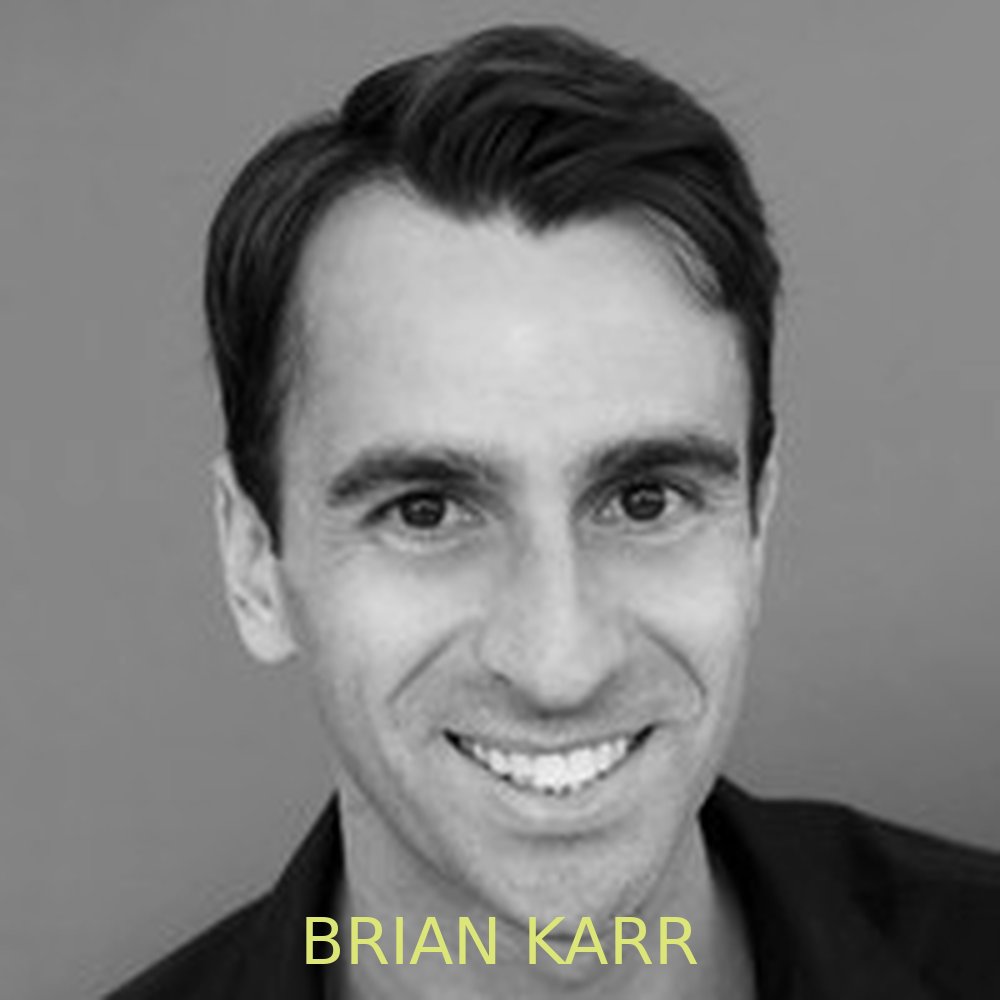
Who You’re Listening To: Brian Karr
Brian Karr is a second-generation indoor environmental consultant and the co-founder of We Inspect, a national company specializing in mold and biotoxin detection for individuals dealing with complex or chronic health issues.
His work focuses on helping people understand whether mold, mycotoxins, or other indoor contaminants may be contributing to their symptoms—and how to address those issues in a strategic, effective way.
Over the years, Brian has become a trusted resource for both medical practitioners and patients navigating environmentally driven illness. He has worked with thousands of hypersensitive individuals, helping them identify hidden exposure sources and create healthier living environments that support recovery.
Through We Inspect and his educational work, Brian has helped shift the conversation around mold from simple detection to something much more meaningful: understanding how exposure actually happens.
When the Test Misses the Problem
Brian’s perspective isn’t just professional. It’s personal.
After a pipe leak in his apartment, water traveled beyond the visible damage and into surrounding materials. The obvious issue was addressed, and a standard inspection followed. An air sample was taken, results were reviewed, and nothing significant was flagged.
But the story didn’t end there.
A more detailed inspection later revealed mold contamination inside all four walls of the bedroom—an exposure source that had been completely missed during the initial evaluation.
That experience didn’t just change Brian’s health. It changed the direction of his work.
Because it raised a bigger question:
How often are people being told everything is fine… when the real issue hasn’t been found yet?
The Limitations of Air Testing
One of the most important takeaways from this conversation is how limited traditional air sampling can be when used on its own.
Air tests are typically taken in the center of a room for a short period of time. In many cases, that sample represents only a very small fraction of the air in the space.
At the same time, air is constantly changing. Movement, airflow, humidity, and daily activity all influence what is present in the air at any given moment.
So what gets captured in a brief sample is just that… a moment.
A “normal” result doesn’t necessarily mean the environment is healthy. It means nothing significant was detected during that specific window.
Mold Doesn’t Grow in the Air
A key concept Brian emphasizes is simple, but often misunderstood:
Mold doesn’t grow in the air. It grows on materials.
Drywall, wood, insulation, flooring systems, and HVAC components are all potential reservoirs when moisture is present. From there, particles can break off, move through the air, settle into dust, and continue circulating throughout the home.
This shifts the focus from a yes-or-no question to something much more useful.
Instead of asking, “Is there mold?” a better inspection asks:
Where is it coming from?
How is it moving through the home?
How is it reaching the people inside?
This is what Brian refers to as exposure mapping.
Why Dust Tells a Bigger Story
If air sampling captures a snapshot, dust captures patterns over time.
Dust collects particles from across the home, creating a more complete record of what has been present in the environment. That makes it a powerful tool for understanding ongoing exposure.
Brian also explains the concept of the “personal cloud.” As people move through a space, particles continuously resuspend into the air around them.
Exposure isn’t static.
It’s constantly interacting with how you live inside the space.
Exposure Is Often the Sum of Multiple Sources
For many people, the issue isn’t one obvious source.
It’s multiple smaller contributors adding up over time.
A past leak behind a wall. A contaminated HVAC system. A sink cabinet that never fully dried.
Individually, they may not seem overwhelming.
Together, they can create a much larger exposure load.
And for individuals dealing with chronic symptoms, that cumulative effect can matter more than any single source.
Why Prioritization Matters
One of the most practical parts of Brian’s approach is how it turns data into direction.
Not everything needs to be fixed at once.
Instead, the goal is to identify the biggest contributors and address those first.
This becomes even more important when considering how people actually live in a home. The areas someone spends the most time in often matter the most.
This kind of prioritization transforms a confusing situation into a clear, manageable plan.
Inspection, Remediation, and Health Support All Matter
A strong outcome rarely comes from just one step.
In many cases, progress depends on how well three pieces work together:
a thorough inspection
a targeted remediation plan
health support that considers the body’s response
When those pieces align, the process becomes much more effective.
Where to Start
For those not ready for a full inspection, there are still ways to begin.
Tools like The Dust Test can help provide a broader picture of what may be present in the home over time.
Resources like the Mold Exposure Score can help identify patterns and potential risk factors based on real-world data.
They’re not replacements for a full investigation.
But they can be a meaningful first step toward clarity.
Final Thought
A mold inspection shouldn’t just answer:
“Is there mold?”
It should help answer:
“What is actually happening in this home… and how is it affecting the people inside it?”
Because for many people, the issue isn’t that nothing is there.
It’s that the full picture was never captured.

Meet Today’s Guest: Brian Karr
Brian Karr is a second-generation indoor environmental consultant and co-founder of We Inspect, a company focused on advanced mold inspection and exposure mapping.
He specializes in working with individuals dealing with complex or chronic health conditions, helping them identify whether mold, mycotoxins, or other environmental factors may be contributing to their symptoms and guiding them toward effective solutions.
Brian has worked with thousands of hypersensitive individuals and is widely recognized as a trusted resource among medical practitioners in the environmental health space. His work emphasizes understanding the full exposure picture inside a home, not just isolated test results.
Through his work with We Inspect and his educational platforms, Brian continues to help reshape how people approach mold, indoor air quality, and the connection between home environments and health.
https://www.instagram.com/moldfinders/
Take the free Mold Exposure Score: moldexposurescore.com
Explore The Dust Test: thedusttest.com