
For many people, chiropractic care is still associated with one thing: back pain.
If your neck hurts, if your back feels tight, or if you have a headache that will not go away, you might consider seeing a chiropractor. For others, it never even crosses their mind.
But what if chiropractic care is not just about pain at all?
In a recent episode of Never Been Sicker, Michael Rubino sat down with Bharon Hoag, Executive Director of OneChiropractic, to explore a much broader perspective on chiropractic care, the nervous system, and why preventative healthcare often remains misunderstood.
At the center of the conversation is a simple but important idea:
Chiropractic may be less about treating symptoms and more about supporting how the body functions as a whole.
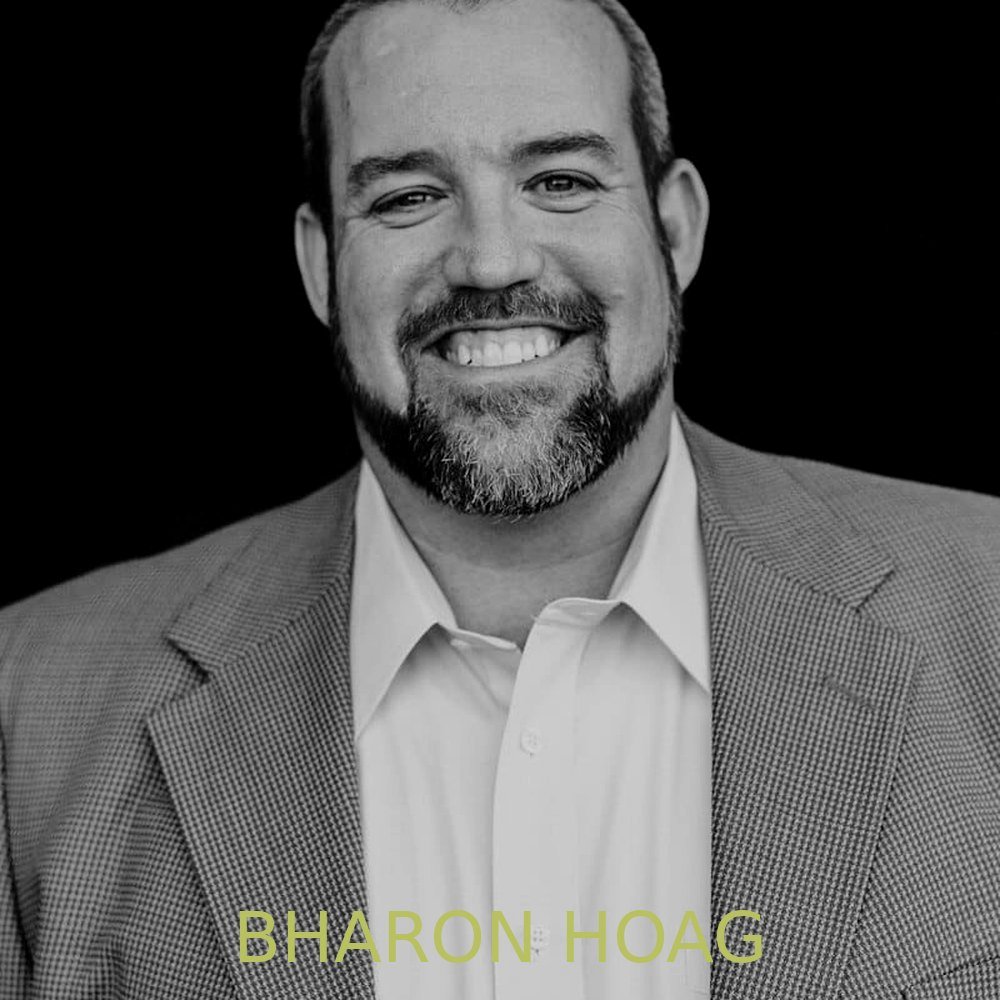
Who You’re Listening To: Bharon Hoag
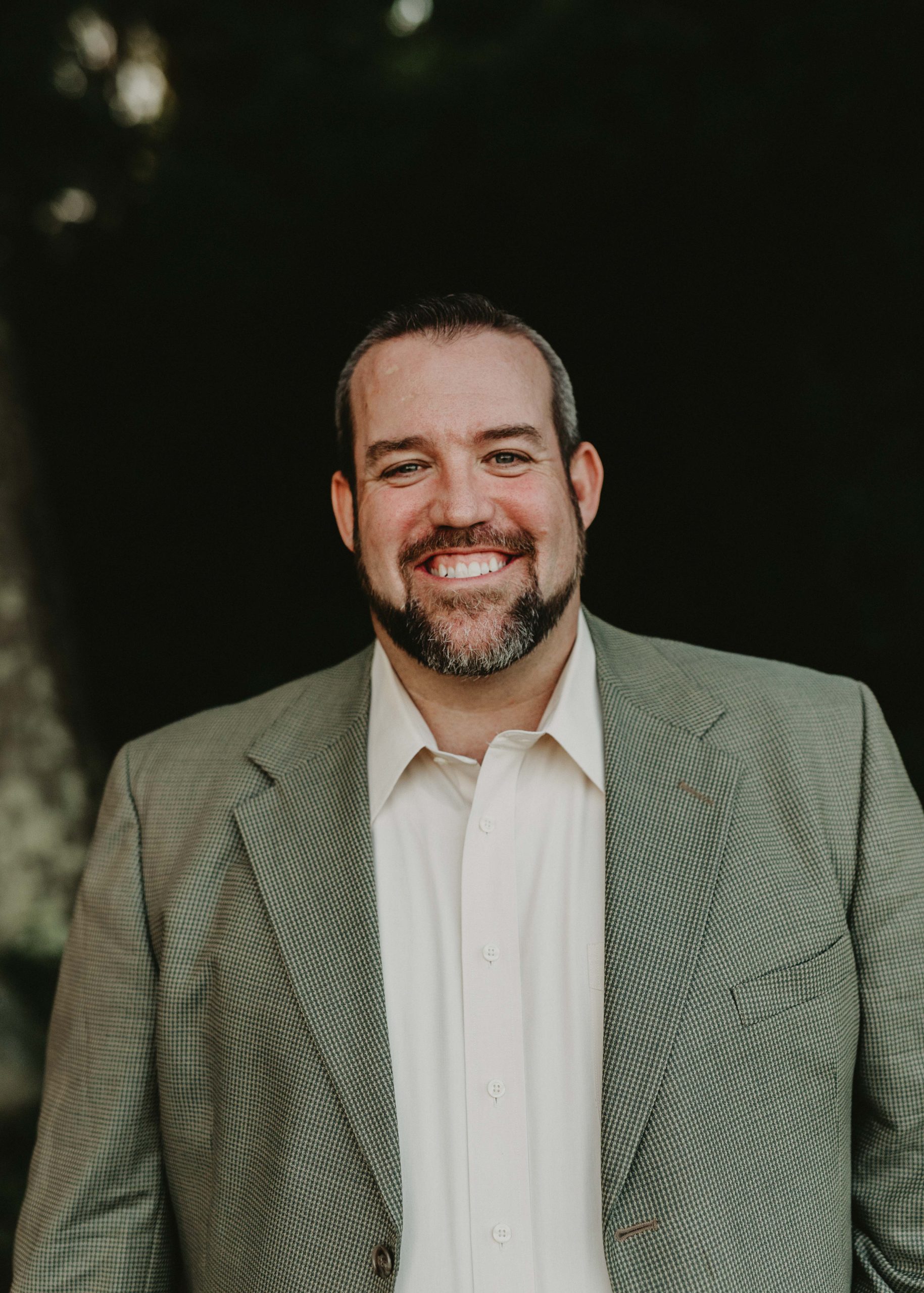
Bharon Hoag is the Executive Director of OneChiropractic, a global advocacy organization focused on protecting access to chiropractic care and advancing the profession.
With more than 25 years of experience working alongside healthcare providers, Bharon has been involved in clinic operations, consulting, and large-scale advocacy efforts. His work spans legal challenges, regulatory discussions, and public education around healthcare choice.
What makes his perspective unique is that he is not a chiropractor himself. His entry into the field came from observing patient outcomes and asking a simple question: Why are people experiencing changes that go beyond pain relief?
That curiosity led him deeper into the philosophy and science behind chiropractic care, and ultimately into a career centered on expanding access and understanding.
It’s Not Just About Structure
One of the biggest misconceptions discussed in this episode is that chiropractic care is purely structural.
In reality, Bharon frames it differently. He describes chiropractic as being centered around the nervous system, specifically how the brain and body communicate with one another.
The idea is not just about adjusting joints. It is about supporting how the body processes information, adapts to stress, and regulates itself.
That distinction matters.
Because when people only associate chiropractic with temporary pain relief, they may miss the broader intention behind it, which is to support overall function rather than simply reduce symptoms.
This does not mean chiropractic replaces other forms of care or solves every condition. But it does suggest that the role it plays in health may be more expansive than many people realize.
Why Chiropractic Is Still Misunderstood
If chiropractic has been around for so long, why does confusion still exist?
According to Bharon, there are a few key reasons.
First, there is a general skepticism toward anything that falls outside conventional medical models. People tend to trust what they are familiar with, and chiropractic has often existed just outside that mainstream framework.
Second, communication within the profession has not always been consistent. Different practitioners may explain their work in different ways, which can make it harder for the public to understand what chiropractic actually does.
And third, there are broader system dynamics at play. Healthcare systems are often structured around diagnosing and managing symptoms. Preventative or function-based approaches can be more difficult to measure, standardize, or fit into existing models.
The result is a gap between what chiropractic aims to do and how it is commonly perceived.
A Larger Conversation About Healthcare Choice
The episode also expands beyond chiropractic into a bigger discussion around healthcare access and decision-making.
Bharon describes his work with OneChiropractic as part of a broader effort to ensure that people have access to a range of healthcare options and the information needed to make informed decisions.
This includes navigating challenges related to insurance, regulation, and public perception.
At its core, the message is not that one approach is right for everyone.
It is that people should have the ability to explore different paths to health and decide what works best for their own situation.
Why So Many People Feel Unwell Today
Another theme woven throughout the episode is a reflection on modern health.
Rather than pointing to a single cause, Bharon highlights a combination of factors that many people are navigating daily, including:
- highly processed foods
- sedentary lifestyles
- poor sleep habits
- environmental exposures
- chronic stress
- reliance on quick symptom relief
Individually, each of these may seem manageable. But over time, they can compound and place strain on the body’s ability to regulate and recover.
This perspective aligns with a broader shift happening in health conversations, one that looks less at isolated symptoms and more at cumulative inputs.
Where Chiropractic Fits Into a Bigger Picture
One of the more interesting parts of the discussion is how chiropractic is beginning to overlap with other root-cause approaches.
Bharon notes that many practitioners are expanding their understanding of health to include nutrition, lifestyle, and functional support. This reflects a growing interest in looking at the body as an interconnected system rather than a collection of isolated parts.
In that context, chiropractic becomes one piece of a larger strategy focused on improving how the body functions, adapts, and maintains balance over time.
The Role of Personal Responsibility
While much of the conversation touches on systems and access, it also returns to something more personal.
Health is not shaped by one decision. It is influenced by the small choices made consistently over time.
That might include:
- improving air quality in the home
- choosing more nutrient-dense foods
- moving regularly
- prioritizing sleep
- reducing environmental stressors
- seeking out supportive care when needed
These actions may seem simple, but they create the foundation for long-term health.
Final Thoughts
This episode does not ask listeners to agree with every perspective shared.
But it does invite a deeper question:
What if some forms of care are being misunderstood simply because they are being viewed through too narrow of a lens?
Chiropractic care is often reduced to a quick fix for pain. Yet, for many people, it represents something broader, a way of thinking about how the body functions, adapts, and heals.
At the very least, that perspective opens the door to a more informed conversation about health, one that considers not just how we treat symptoms, but how we support the systems behind them.

Meet Today’s Guest: Bharon Hoag
Bharon Hoag is the Executive Director of OneChiropractic, a global advocacy organization dedicated to protecting access to chiropractic care and advancing the profession.
With more than 25 years of experience in healthcare operations, consulting, and advocacy, Bharon has worked with over 1,000 clinics and healthcare facilities. His career spans leadership roles in both private practice and professional associations, including serving as Executive Director of the Ohio State Chiropractic Association, where he helped expand membership and influence.
Through his work with OneChiropractic, Bharon focuses on supporting practitioners, challenging regulatory barriers, and increasing public awareness around chiropractic care as a viable healthcare option. His mission centers on empowering both providers and patients with greater access, education, and freedom of choice in healthcare decisions.
Learn more and access the free guide:
10-Step Guide to Empower Your Healthcare Decisions
Connect with Bharon and OneChiropractic:
Instagram: @OneChiropractic
Facebook: OneChiropractic