
When people are dealing with chronic symptoms, they often focus on one diagnosis.
Lyme disease.
Long COVID.
MCAS.
Gut dysfunction.
Chronic fatigue.
Anxiety.
But for many people, the full picture is much more connected than it first appears.
In this episode of Never Been Sicker, Michael Rubino sits down with integrative medicine practitioner Michelle McKeon to explore the overlap between mold exposure, Lyme disease, mast cell activation syndrome, long COVID, and chronic inflammation.
Their conversation makes one thing very clear:
If you are missing the mold piece, you may be missing a major reason why healing is not happening.
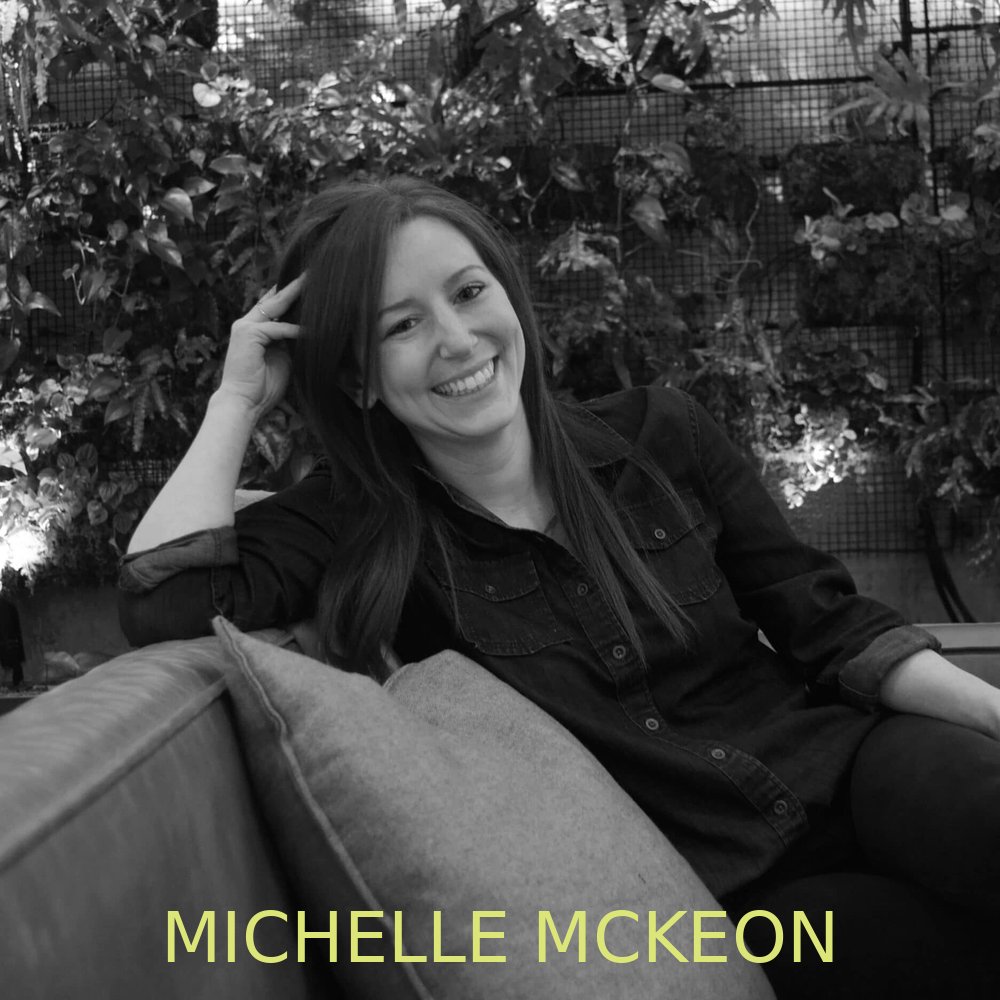
Who You’re Listening To: Michelle McKeon
Michelle McKeon is an integrative medicine practitioner focused on complex chronic illness, especially in highly sensitive patients dealing with overlapping issues such as mold toxicity, Lyme disease, mast cell activation syndrome, gut dysbiosis, long COVID, and immune dysregulation.
Her work emphasizes personalized care, careful sequencing, and identifying what is truly driving symptoms instead of applying the same protocol to every patient.
Michelle is known for helping patients who often feel like they react to everything and have already tried many standard approaches without making sustainable progress.
Her philosophy is simple:
The more complex the case, the more important it is to understand the full picture.
Why Personalized Care Matters More Than Ever
One of the strongest themes in the episode is that chronic illness recovery is becoming increasingly individualized.
Some people improve on general detox protocols, foundational supplements, or broad antimicrobial plans.
Others do not.
Instead, they flare from even basic interventions and feel worse, not better.
Michelle explains that this does not necessarily mean the treatment is wrong. Often, it means the body is overwhelmed and the real driver has not been fully identified.
Whether the issue is mold, Lyme, MCAS, gut dysbiosis, long COVID, or a combination of factors, recovery often depends on figuring out what is “running the show” and building a plan around that.
The Overlap Between Mold and Lyme
One of the most important takeaways from the conversation is that mold and Lyme often go hand in hand.
According to Michelle, many patients come in focused entirely on Lyme. They want to target infections aggressively and move straight into killing protocols.
But when she looks deeper, mold exposure is often suppressing the immune system and preventing progress.
This matters because treatment order can completely change how someone responds.
If the body is already overwhelmed by mold exposure, poor drainage, mast cell instability, and chronic inflammation, aggressive treatment can backfire quickly.
For many sensitive patients, treatment needs to begin with:
- stabilizing mast cells
- opening drainage pathways
- reducing environmental exposure
- supporting mitochondria
- improving gut resilience
- making sure the home is actually safe
Only then can deeper antimicrobial work become sustainable.
Why Mold Keeps So Many People Stuck
A major point Michael and Michelle both emphasize is that mold is still widely underestimated.
Many people have already worked with doctors, inspectors, or remediators before they realize something important has been missed.
They may have been told:
- the house looks fine
- the air sample was normal
- remediation was already completed
- mold is everywhere, so it cannot be the issue
But “normal” does not always mean safe, especially for sensitive individuals.
Michael explains one of the biggest problems in the inspection world: center-of-room air sampling can create a false sense of security.
If only a very small fraction of the air in a room is being analyzed, and that result is used to declare the entire environment safe, the actual issue may be getting missed.
This is one reason many people continue to struggle even after spending time and money trying to fix the problem.
What MCAS Has To Do With It
Michelle also explains how mast cell activation syndrome can complicate recovery.
Mast cells are part of the body’s defense system. They are designed to react to harmful triggers and help protect us.
But in MCAS, those mast cells become overly reactive.
That means a person may react strongly to:
- foods
- fragrances
- heat
- supplements
- detox tools
- chemicals or VOCs
- environmental exposures
Someone with MCAS may feel like they react to everything, even treatments that are supposed to help.
This is why otherwise healthy interventions do not always feel healthy to the person trying them. If mast cells are not stable, even supportive treatments can trigger a flare.
That is why Michelle often starts by calming the system first.
Long COVID and the Toxic Bucket
The episode also explores long COVID and why indoor air quality may matter more than many people realize.
Michelle describes the idea of a “toxic bucket,” where infections, mold, environmental toxins, immune stress, and genetics all add up until the body cannot compensate anymore.
This framework helps explain why some people seemed to get pushed over the edge after COVID.
It may not have been COVID alone. It may have been the combination of COVID, mold exposure, gut dysfunction, chronic infections, poor air quality, and other stressors all at once.
When the bucket overflows, symptoms become much harder to ignore.
Why the Home Matters Just as Much as the Body
One of the strongest parts of the conversation is how clearly it shows that healing is not just about what happens inside the body.
It is also about the environment you return to every day.
You can support detox pathways.
You can work on gut health.
You can stabilize mast cells.
You can try protocols and supplements.
But if your home is still exposing you to a major trigger, your body may never get the chance to fully recover.
That is why this work has to be holistic.
The body and the home both matter.
Why Treatment Sequencing Changes Everything
Another major takeaway from the episode is that treatment sequencing matters more than many people realize.
For highly sensitive patients, starting with aggressive antimicrobials or detox strategies can create major setbacks.
Michelle explains that many people do better when the process starts with stabilization first:
- calm the nervous system
- reduce mast cell reactivity
- improve drainage
- support mitochondria
- assess the home
- build resilience slowly
This kind of sequencing often gives the body enough support to tolerate the deeper work later.
It is not about doing less.
It is about doing the right things in the right order.
Final Thoughts
For people dealing with chronic illness, this episode offers a powerful reminder that symptoms do not exist in isolation.
Mold, Lyme, MCAS, long COVID, gut dysfunction, and nervous system dysregulation are often connected. And for many people, sustainable progress happens when the right pieces are addressed in the right order.
If you have been doing everything you can and still feel stuck, it may not mean your body is broken.
It may mean part of the picture has not been fully uncovered yet.

Meet Today’s Guest: Michelle McKeon
Michelle McKeon is an integrative medicine practitioner who works with patients facing complex chronic conditions such as mold toxicity, Lyme disease, mast cell activation syndrome, gut dysbiosis, long COVID, and immune dysfunction.
She is especially known for her highly personalized approach to sensitive cases, focusing on root-cause investigation, treatment sequencing, and helping patients build resilience before jumping into aggressive protocols.
Her work emphasizes that no two bodies and no two illness patterns are exactly alike, which is why sustainable healing often requires a customized approach.
Through her clinical work, Michelle helps patients better understand the overlap between environmental exposure, infection, inflammation, and the body’s ability to recover.
Learn more about Michelle’s work:
https://thelymespecialist.com/