
Many people with chronic illness are trying incredibly hard to get better.
They’re taking supplements.
They’re running tests.
They’re seeing specialists.
They’re following protocols.
And yet… recovery still feels out of reach.
Why?
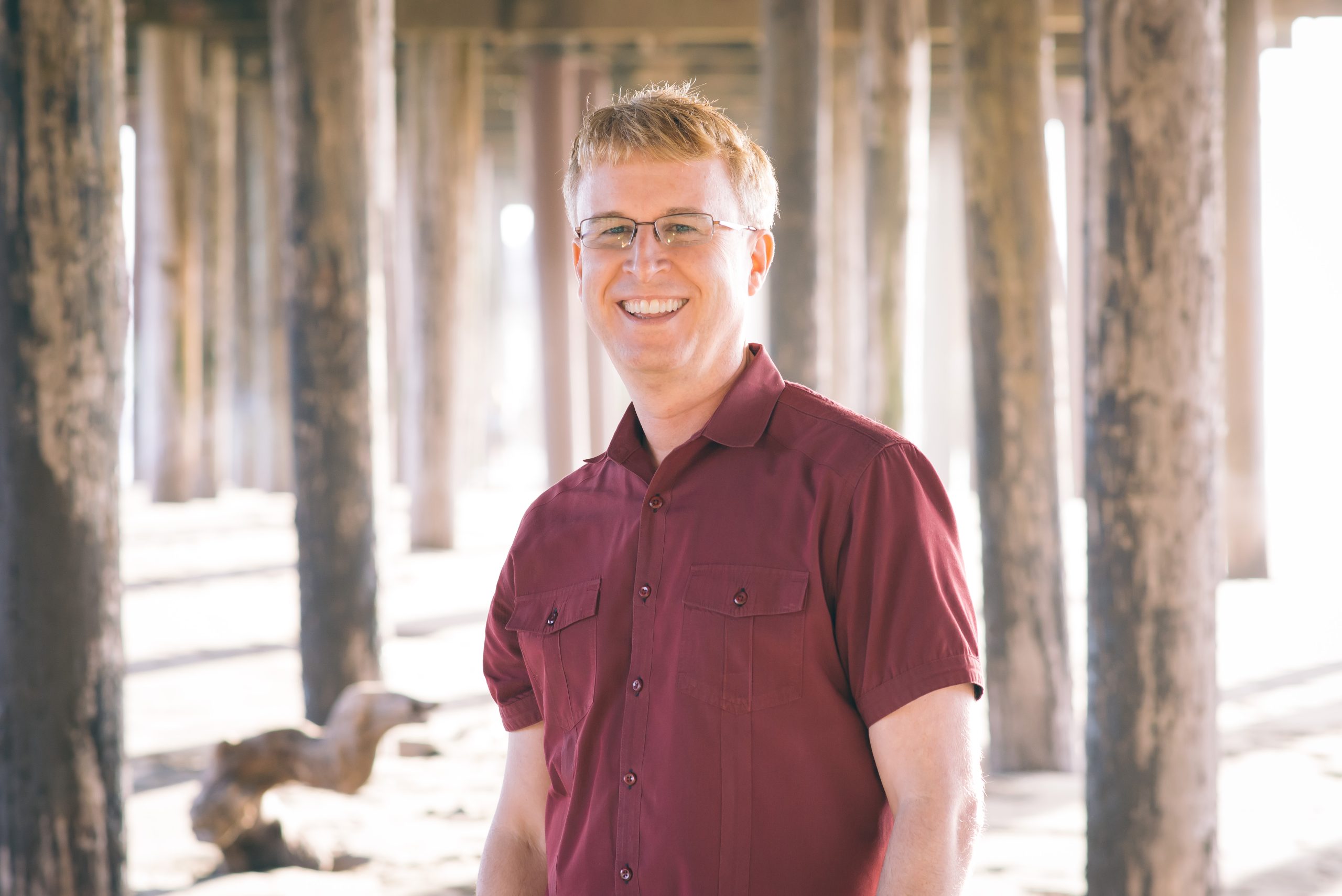
In this episode of Never Been Sicker, I sit down with Scott Forsgren — known to many as the Better Health Guy — to talk about one of the most important questions in modern health:
Why do so many chronic illness recovery attempts fail?
Scott’s perspective comes from nearly three decades of personal experience navigating conditions like Lyme disease, mold illness, and environmental toxicity.
And his story begins in a way that will feel familiar to many people.
Who You’re Listening To: Scott Forsgren
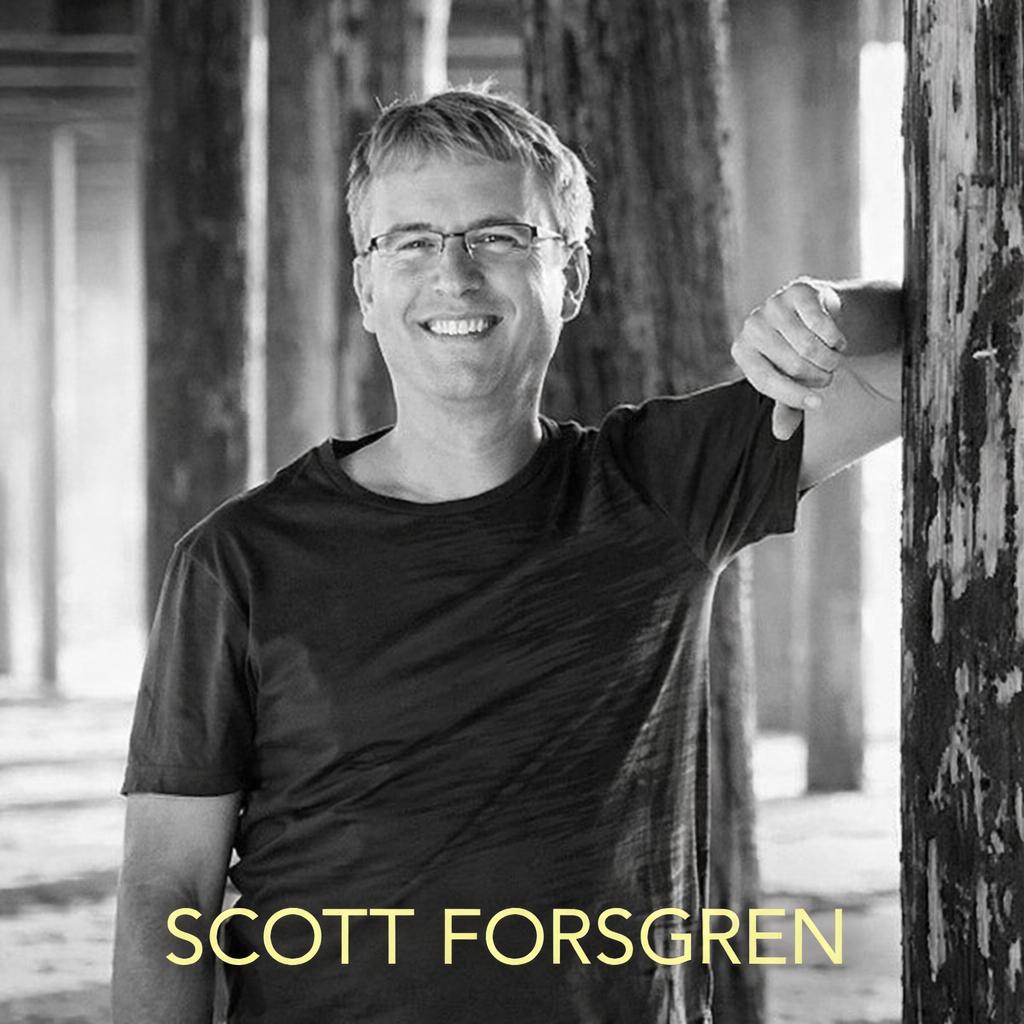
Scott Forsgren, FDN-P, is a health coach, podcaster, writer, and advocate in the chronic illness community.
He is the founder of BetterHealthGuy.com, where he shares insights from his nearly 30-year journey studying complex illnesses such as Lyme disease, mold exposure, and environmental toxicity.
Scott hosts the BetterHealthGuy Blogcasts, where he interviews many of the leading practitioners in functional and integrative medicine.
He is also the co-founder of the Forum for Integrative Medicine, an organization that brings together clinicians and researchers focused on practical solutions for complex chronic illness.
When Chronic Illness Suddenly Begins
Scott’s story began in 1996 after a tick bite.
At first, nothing seemed unusual.
But months later, his health suddenly collapsed.
He began experiencing severe neurological and systemic symptoms, including:
- burning sensations throughout his body
- balance problems
- tremors and muscle twitching
- vision disturbances
- gut dysfunction
- cognitive impairment
- anxiety and depression
Over the next eight years, Scott saw 45 different doctors.
Despite the extensive medical consultations, he never received a clear explanation for what was happening.
Some doctors suggested diagnoses such as:
- fibromyalgia
- chronic fatigue syndrome
- multiple sclerosis
But none of the treatments addressed the root cause.
The Breakthrough That Changed Everything
In 2005, Scott had a breakthrough.
An acupuncturist suggested testing for Lyme disease and co-infections.
The results came back positive.
Scott discovered he was dealing with infections, including Lyme and Bartonella.
But the story didn’t end there.
Soon after, Scott encountered the work of Dr. Ritchie Shoemaker and began learning about mold illness and water-damaged buildings.
When he evaluated his environment, he discovered mold exposure was another major contributor to his illness.
This realization changed the entire direction of his healing journey.
Why Chronic Illness Is Increasing
Scott believes one of the primary reasons chronic illness is becoming more common is environmental toxicity.
He describes modern life using a powerful analogy:
We’re like fish swimming in a dirty aquarium.
Environmental stressors surrounding us every day include:
- mold and mycotoxins in buildings
- bacteria and endotoxins from water damage
- heavy metals in air, food, and water
- pesticides and chemical exposures
- microplastics and nanoplastics
- electromagnetic fields
- nutrient-poor diets
- chronic stress and nervous system overload
When these stressors accumulate, they weaken immune function and make the body more vulnerable to infections, inflammation, and autoimmune conditions.
Why Symptoms Alone Aren’t Enough
One of the biggest challenges in diagnosing chronic illness is that symptoms overlap across many different conditions.
- Fatigue.
- Brain fog.
- Neurological symptoms.
- Digestive problems.
- Mood changes.
These can appear in mold illness, Lyme disease, viral infections, heavy metal toxicity, and autoimmune conditions.
Some symptom patterns may offer clues:
- internal vibrations → possible mold exposure
- air hunger or night sweats → possible Babesia infection
- rage or OCD symptoms → possible Bartonella involvement
But no symptom list can provide a definitive diagnosis.
That’s why testing and environmental investigation are essential.
The Biggest Mistake After Diagnosis
Scott says many people make the same mistake after receiving a diagnosis.
They jump straight into aggressive treatment.
People often try to:
- kill infections immediately
- take large numbers of supplements
- pursue expensive detox protocols
- experiment with advanced therapies
But this approach often backfires.
Without the proper foundation in place, aggressive treatments can overwhelm the body and make symptoms worse.
The Four Foundations of Healing
Scott outlines four critical foundations that should be addressed before aggressive treatments begin.
1. Nervous System Regulation
Chronic illness often keeps the body trapped in fight-or-flight mode.
When the nervous system perceives constant danger, the body cannot properly regulate immune responses, detoxify toxins, or repair tissue.
Techniques that retrain the nervous system can help restore balance.
2. Mast Cell Stabilization
Many chronically ill patients experience mast cell activation, which triggers inflammation and hypersensitivity.
Triggers can include:
- mold exposure
- infections
- chemicals
- allergens
Calming mast cells early can improve tolerance to treatment later.
3. Detoxification and Drainage
Environmental toxins can recirculate throughout the body if detox pathways are overwhelmed.
Supporting detox includes improving:
- liver function
- kidney function
- lymphatic flow
- gut elimination
Binders, hydration, sauna therapy, and lymphatic support can help the body remove toxins more effectively.
4. Fixing the External Environment
Perhaps the most critical factor in recovery is the environment itself.
Scott emphasizes that healing becomes extremely difficult when someone continues living in a toxic environment.
This includes evaluating:
- mold and water damage
- indoor air quality
- chemical exposure
- EMF levels
As Scott puts it:
“If someone is still living in a moldy environment, they may improve… but they won’t get well.”
Why Mold Testing Is So Controversial
The episode also explores debates around mold testing.
Tests such as ERMI measure mold DNA in household dust. While the score itself can be misleading, identifying specific water-damage molds can still provide useful insight.
Another debated test is urine mycotoxin testing, which measures toxins leaving the body.
While critics argue these tests may reflect dietary exposure, persistently elevated levels may still signal ongoing environmental exposure.
The key is interpreting results carefully and in context.
Killing Mold Isn’t Enough
Another common misconception is that mold remediation simply requires killing mold.
But dead mold can still trigger immune reactions.
Particles, fragments, and toxins remain present even after mold is killed.
Effective remediation focuses on removing contamination and cleaning microscopic particles, not simply spraying chemicals or fogging the environment.
The Problem With Medical Labels
Scott also challenges the way modern medicine labels chronic illness.
Diagnoses such as:
- autoimmune disease
- fibromyalgia
- chronic fatigue syndrome
- multiple sclerosis
...often describe symptoms rather than identifying the underlying cause.
Instead of stopping at the label, Scott encourages patients to investigate deeper drivers such as infections, environmental toxins, and immune dysfunction.
There Is More Hope Today Than Ever
Despite the complexity of chronic illness, Scott believes there is more hope today than ever before.
Advances in:
- functional medicine
- diagnostic testing
- environmental health awareness
- treatment strategies
have dramatically improved the potential for recovery.
His message to listeners is simple:
Don’t give up.
When the right factors are addressed, healing is possible.

Meet Today’s Guest: Scott Forsgren
Scott Forsgren, FDN-P — known as the Better Health Guy — is a health coach, writer, podcaster, and advocate who has spent nearly three decades exploring the complexities of chronic illness recovery.
Today, Scott shares what he has learned through BetterHealthGuy.com, where he educates others about Lyme disease, mold illness, environmental toxicity, and integrative healing strategies.
He is also the host of the BetterHealthGuy Blogcasts, interviewing leading practitioners in functional and integrative medicine.
Scott is the co-founder of the Forum for Integrative Medicine, which hosts conferences focused on treating complex chronic illness, and he serves on the Board of Directors of the LymeLight Foundation, a nonprofit providing treatment grants for children and young adults recovering from Lyme disease.
Learn more about Scott’s work: