
There’s a quiet moment that happens in a lot of health journeys.
Not dramatic. Not loud. Just a slow internal shrug.
Symptoms linger. Energy drops. New issues stack on top of old ones. And somewhere along the way, a subtle belief creeps in:
Maybe this is just how my body works.
Fatigue becomes normal. Bloating becomes normal. Headaches, skin flare-ups, hormone chaos, brain fog… all filed away under the same label.
Normal.
But common does not equal normal.
In this episode of Never Been Sicker, Danae Marino and I unpack how easily people slide into symptom acceptance. Not because they lack discipline or awareness, but because they’ve been conditioned to believe discomfort is simply part of modern life.
Push through. Manage it. Mask it. Repeat.
Until one day, managing symptoms quietly becomes managing identity.
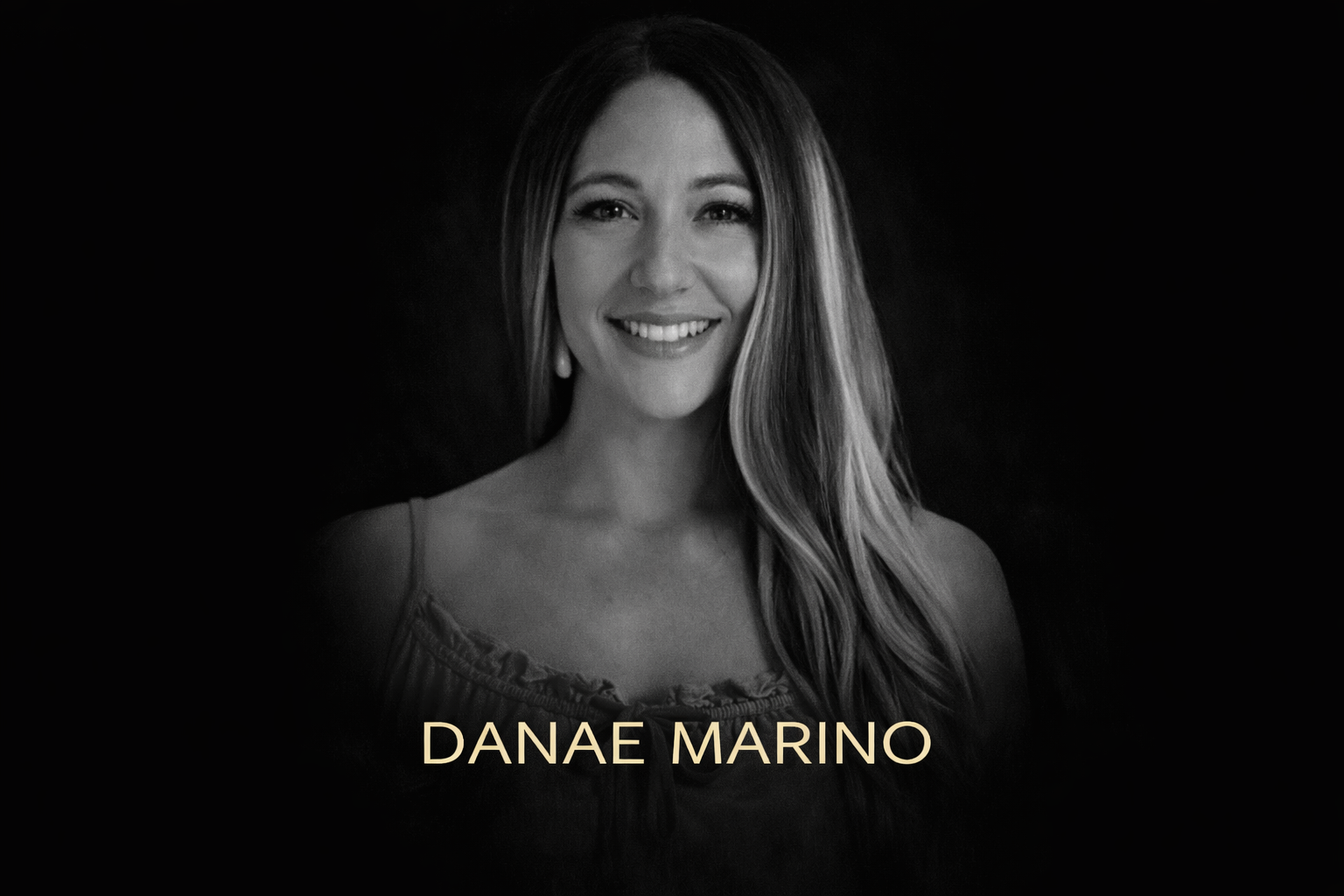
Who You’re Listening To: Danae Marino
Danae Marino is a health performance coach and entrepreneur who works with high performers ready to move beyond symptom management and rebuild health from the inside out.
Her work sits at the intersection of:
• Metabolic health• Nervous system resilience• Habit-based performance• Environmental awareness
In short: She helps people stop chasing short-term fixes and start addressing the deeper stressors driving dysfunction. And her perspective is deeply personal.
Danae’s story includes years of asthma, chronic allergies, gut dysfunction, skin struggles, and the all-too-familiar experience of being told everything looked “fine” while feeling anything but.
When “Your Labs Look Good” Doesn’t Match Your Reality
Danae’s experience mirrors something I see constantly in environmental health.
Doctor after doctor. Test after test. Same conclusion.
Everything looks fine.
Yet symptoms persist.
Not because people are imagining things. Not because their bodies are failing.
But because the investigation often stops at surface-level markers instead of asking deeper questions:
- What are you eating?
- What are you exposed to?
- What changed?
Symptoms rarely appear out of nowhere. They emerge from layers of stress, inflammation, immune burden, hormonal disruption, and environmental triggers accumulating over time.
The body is not random. It is responsive.
Why Weight Loss Doesn’t Equal Health
One of the most important threads in this conversation is Danae’s shift away from weight-centric thinking.
For years, she chased body composition as the primary marker of wellness.
Diet harder. Train harder. Restrict more.
Instead of improving her health, those approaches amplified inflammation, stress responses, and metabolic strain.
Because you cannot outwork:
- A stressed immune system
- Gut dysfunction
- Hormonal imbalance
- Chronic inflammation
- Environmental exposure
This is where many people get stuck.
They’re doing “everything right” by conventional standards while unknowingly fighting deeper physiological and environmental stressors.
The Chemical Exposures Nobody Talks About
Danae highlights something millions experience but rarely connect back to health.
Fragrance.
Perfumes. Candles. Air fresheners. Cleaning products. The artificial “scent” of modern spaces.
For individuals already dealing with immune dysregulation, histamine issues, or chronic inflammation, these exposures are not neutral background noise.
They are inputs.
And inputs shape outcomes.
What smells pleasant to one person can trigger headaches, brain fog, skin reactions, fatigue, and respiratory symptoms in another.
Not because they’re sensitive. Because their system is already overloaded.
The Environmental Layer Most Health Conversations Miss
This is where our worlds collide.
Danae’s personal health journey eventually led her to investigate environmental factors, including mold exposure.
Something I see every single day.
People chasing diets. Supplements. Protocols. Medications.
While continuing to breathe compromised indoor air.
You cannot heal fully while remaining inside the stressor driving dysfunction.
Just like you cannot fix a roof leak by mopping the floor.
Remove the exposure. Then rebuild the system.
Medication vs Healing: A Necessary Distinction
Danae makes an important clarification that often gets misinterpreted.
Emergency medicine saves lives. Symptom management has its place.
But long-term dependency without addressing root causes is where problems begin.
Because symptom suppression does not equal resolution.
It often delays investigation.
And delayed investigation prolongs dysfunction.
The question shifts from:
“How do I feel better?” To “Why is this happening?”
The Biggest Lie: “You’ll Never Get Better”
Danae’s answer to the show’s signature question lands hard.
The most damaging message she received:
You’ll never get better.
PCOS. Histamine issues. Periodontal disease.
Labels that often arrive wrapped in permanence.
Yet her lived experience tells a different story.
Diagnosis is not destiny.
Healing is rarely immediate. But improvement is often possible when root drivers are properly identified.
Why Healing Requires Habits, Not Hacks
One of the most grounded parts of this conversation centers on something refreshingly unglamorous.
- Habits
- Whole foods
- Recovery
- Sleep
- Stress regulation
- Movement
- Environmental awareness
Not extreme protocols
Not viral biohacks
Because sustainable health is built through consistent inputs, not dramatic swings.
The “Perfect Storm” Behind Chronic Symptoms
Both Danae’s story and the patterns I see professionally point to the same reality.
Symptoms rarely have a single cause.
More often, they emerge from overlapping stressors:
- Diet
- Environmental toxins
- Nervous system load
- Sleep disruption
- Mold exposure
- Hydration
- Lifestyle habits
The body doesn’t break overnight.
It accumulates.
Testing vs Guessing
A major theme throughout the episode:
Stop guessing.
Danae emphasizes tracking patterns, collecting data, and moving beyond assumptions.
This mirrors the environmental model perfectly.
You cannot solve hidden mold by guessing.
You cannot solve chronic symptoms by guessing.
Investigation precedes resolution.
Where Environment and Health Finally Meet
This is where practical tools enter the picture.
The Dust Test offers a lower-cost way to assess whether a home may be contributing to symptoms without immediately jumping into full inspections.
Because clarity changes everything.
Seeing results transforms suspicion into awareness.
And awareness drives action.
Final Word
If you’ve ever caught yourself saying:
“I guess this is just my life now…”
Pause.
Because symptoms are not personality traits. They are information.
And better questions often lead to better outcomes.
Listen to Episode #113 of Never Been Sicker
Because what you’ve normalized may be the very thing your body has been asking you to investigate.

Meet Today’s Guest: Danae Marino
Danae Marino is a health performance coach and entrepreneur specializing in metabolic health, habit formation, and sustainable performance optimization.
Her approach emphasizes:
• Nervous system regulation • Inflammation management • Nutrition personalization • Lifestyle architecture • Long-term resilience strategies
Rather than chasing short-term aesthetic outcomes, Danae works with individuals seeking improved energy, stability, cognitive clarity, and physical capacity.
Through her coaching programs and digital platforms, she focuses on helping clients understand how daily inputs such as food, stress, sleep, and environmental exposures influence performance, recovery, and long-term health trajectories.
Find Danae Marino:
Website: https://thewinnersproject.com
Instagram: @DanaeMarinoFit