

We’ve never had more medical technology.
- More doctors.
- More prescriptions.
- More hospitals.
So why do so many people feel worse than ever?
If you’ve ever walked out of a doctor’s office with a diagnosis, a prescription, and a quiet sense that the real problem still wasn’t addressed… you’re not alone.
In this episode of Never Been Sicker, I sit down with healthcare entrepreneur Vivienne Reign to unpack a hard truth: Most of what we call “healthcare” isn’t designed to make you healthy. It’s designed to keep you from dying.
And that difference changes everything.
If you’ve felt like your health journey has required far more self-education, self-advocacy, and out-of-pocket investment than anyone warned you about, this conversation will feel familiar.
The System Was Built for Sick Care, Not Health
Vivienne breaks down the core disconnect most people never get told.
- Traditional medicine is reactive.
- It steps in once the disease is present.
- Once symptoms are severe.
- Once systems are already breaking down.
That’s not a moral failure of doctors. It’s how the system is structured.
Vivienne offers a simple analogy: Car insurance doesn’t pay for oil changes. It pays for crashes.
Yet most people expect health insurance to cover wellness, optimization, prevention, and long-term vitality. When it doesn’t, frustration sets in. Passivity sets in. And early warning signs get ignored.
Until they become chronic conditions.
It’s the same pattern I see in environmental illness. People wait until the body is overwhelmed before anyone starts asking what exposures, habits, or environments contributed along the way.
Different industry. Same structural blind spot. And it’s not these individuals’ fault. It’s just how the system has been designed.
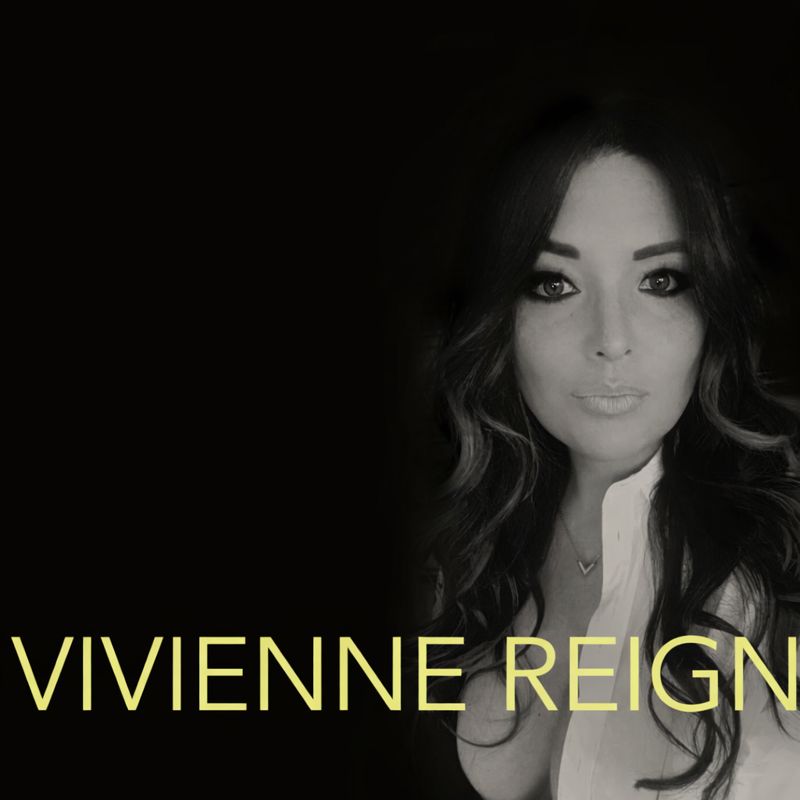
Who You’re Listening To: Vivienne Reign
Vivienne Reign is a healthcare entrepreneur on a mission to make high-performance, clinic-grade wellness technology accessible for everyday people. Her work sits at the intersection of: preventative health, medical device innovationatient empowerment, and real-world clinical outcomes
In short, She builds tools that help people act before their bodies break down. And she’s not afraid to challenge a system that profits more from treatment than prevention.
invasive, biocompatible care. He’s trained internationally, holds a mastership in biomimetic dentistry, and has been a long-time member of the International Academy of Oral Medicine and Toxicology.
Proactive Health Is a Skill, Not a Service
One of the most meaningful moments in this conversation is Vivienne's reframing of our role in health.
No one is going to care about your body more than you do. But that doesn’t mean you’re doing this alone.
It means real health is a partnership between your body, your environment, and the choices you’re supported in making.
Vivienne describes proactive health as the space where various factors work together to support the body long before disease has a chance to take hold. Things like:
- Habits
- Environment
- Tools
- Nutrition
- Recovery
- Targeted supplementation.
In my work, we call this removing harmful exposures and strengthening systems in the spaces we spend the most time in. Vivienne calls it biohacking.
Different language. Same philosophy.
Support the body early. Build resilience over time.
Red Light Therapy: Real Science or Expensive Christmas Lights?
Now we get into one of the most misunderstood wellness trends online. Vivienne takes the time to highlight how this trend can be beneficial, and where it often falls short.
Red light therapy CAN:
- Improve circulation
- Reduce inflammation
- Support nerve regeneration
- Aid pain recovery
- Support sexual health
- Improve tissue healing
But (and this is critical), not all devices are created equal.
Vivienne explains the factors that separate legitimate therapy from cheap imitation:
- Correct therapeutic wavelengths
- Sufficient power output
- Proper dose and exposure time
- Safe distance from tissue
- FDA-cleared manufacturing standards
Many low-cost devices on the market? They’re essentially expensive Christmas lights…
No clinical-grade output. No meaningful biological effect.
That’s why her team built at-home devices that deliver clinic-level technology at a price people can actually access consistently. Learn more at: https://bedrockbioscience.com/shop/
The Conversations Nobody Is Having: Sexual Health & Pelvic Floor Function
This is where the episode takes a turn most podcasts avoid.
Vivienne shares how a real patient discovery led to creating red light devices designed to support male sexual health by improving circulation, without relying solely on medication.
Then she shifts to pelvic floor health, a topic that affects millions of women and men, yet rarely gets discussed.
She explains:
- Many pelvic floor muscles are involuntary
- Kegels alone can’t fully train them
- Weakness often shows up first as sleep disruption or nighttime urination
- Long-term weakness contributes to prolapse and incontinence
Her therapeutic devices generate thousands of targeted contractions per session, restoring tone, function, and quality of life.
Not vanity. Function Not embarrassment. Empowerment.
When Prevention Becomes Personal
Toward the end of the episode, Vivienne shares the story that shaped her mission.
Her stepfather developed severe neuropathy. He gradually lost sensation in his feet, and when a burn injury occurred, he couldn’t feel it in time to prevent serious damage. From there, complications unfolded, leading to amputation and, eventually, his passing.
And in that grief came clarity: Nobody was coming to save him inside a reactive system. Early signals were there. But no one connected the dots soon enough.
That’s the heart of her work now. Act early. Support systems before collapse. Give people tools before crisis.
The Biggest Takeaway: Health Is an Investment, Not a Rescue Plan
If you’ve followed my work, this will sound familiar.
Your body responds to:
- Your environment.
- Your habits.
- Your exposures.
- Your recovery efforts.
Waiting until symptoms are unbearable is the most expensive path, physically, emotionally, and financially. Yet, due to a lack of education and awareness about environmental exposures, far too many people are left in this situation because no one can give them the right answers.
Vivienne’s message is simple: Prevention isn’t optional. It’s the foundation.
Not quick fixes. Not band-aids.
A proactive path that builds resilience before breakdown.
Why You’ll Want to Listen to This Episode
If you’ve ever wondered:
- Why healthcare doesn’t feel like “health”
- Why you’re expected to figure out prevention alone
- Whether biohacking tools actually work
- How circulation, nerve health, and inflammation connect
- Why early symptoms shouldn’t be ignored
This episode connects the dots between a healthcare system built for reaction and a path designed for real prevention. It blends honest conversation with clear, approachable science, human stories that stay with you, and practical tools you can apply in everyday life.
But more than anything, it offers a new way to think about your role in healing, not as a passive recipient of care, but as an active participant in building long-term resilience.
Listen to Episode #109 of Never Been Sicker now. Because your health deserves more than rescue care.

Meet Today’s Guest: Vivienne Reign
Vivienne Reign is a healthcare entrepreneur focused on building science-backed wellness technology that helps people improve outcomes before disease takes hold.
A few highlights of her career include:
- Founder of Bedrock Bioscience
- A medical device innovator
- An advocate for proactive health
- A voice challenging reactive care models
Her mission is simple: Make elite-level wellness tools accessible, effective, and grounded in real clinical science.
Explore her work:
Instagram: @viviennereign